
Wood-Fired vs Gas Oven for Pizza - Unlocking Authentic Smoky Flavors
Wood-Fired vs. Gas Oven for Pizza: Unlocking Authentic Smoky Flavors
Achieving the authentic, smoky char of a pizzeria-grade crust at home is a common challenge for culinary enthusiasts. While standard home ovens offer convenience, they often lack the thermal intensity required for professional results. Selecting the appropriate heat source grants you the precision to master texture and flavor. Note that both systems demand unique skill sets. From wood-fired Neapolitan perfection to high-efficiency gas setups, we compare these technologies to help refine your craft.
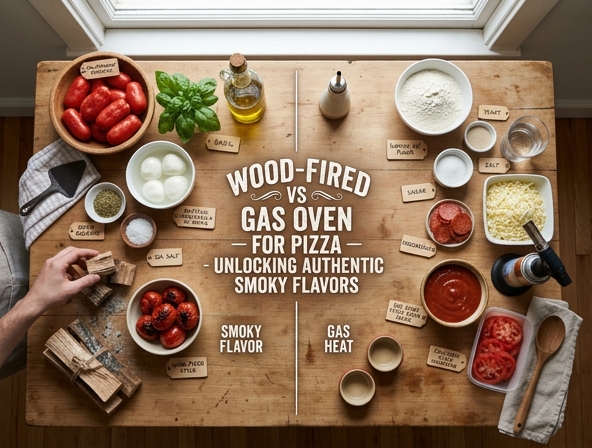
| Feature | Wood-Fired Oven | Gas Oven |
|---|---|---|
| Flavor Profile | Authentic, deep smoky char. | Clean, consistent heat-driven flavor. |
| Skill Requirement | Demanding; requires fire management skills. | Moderate; easier to control and maintain. |
| Efficiency | Lower; requires time for wood combustion. | High; quick heat-up and constant temperature. |
| Best For | Traditional Neapolitan-style pizza. | Efficient, high-volume professional output. |
| Core Benefit | Unmatched rustic depth. | Precision and ease of use. |
Wood-Fired vs. Gas Oven for Pizza: Unlocking Authentic Smoky Flavors
For the true pizza aficionado, the debate between wood-fired and gas ovens is akin to the discussion between vinyl records and digital streaming. Both produce music-or in this case, pizza-but the experience, the nuance, and the technical requirements differ significantly. As home pizza-making has exploded in popularity, enthusiasts are increasingly faced with the choice: Should you embrace the primal, labor-intensive romance of wood-fired fire, or the convenient, precision-engineered consistency of a modern gas-powered oven?
The Case for Wood: The Primal Ritual
There is an undeniable allure to the wood-fired oven. It is the gold standard, the historical origin of Neapolitan pizza that has defined the craft for centuries. When you cook with wood, you aren't just making food; you are engaging in an elemental dance with fire.
The Flavor Profile
The primary argument for wood-fired ovens is the flavor. While there is a common debate over whether wood smoke actually penetrates a pizza during its short 60-to-90-second bake, the answer lies in the moisture and chemical reaction. Wood fires produce water vapor as a byproduct of combustion. This high-humidity environment, combined with the intense, radiant heat of the glowing embers and the flame licking the dome, creates a specific crust texture that is difficult to replicate. You get that signature “leopard spotting”-charred air bubbles that are crispy on the outside, light and airy on the inside, with a faint, earthy aroma that bridges the gap between oven and hearth.
The Learning Curve
Wood-fired ovens require patience. You must manage the fuel, monitor the moisture content of the wood, and learn the art of the “flame management.” You are not just pushing a button; you are reading the floor temperature, watching the color of the dome, and adjusting your fire placement to ensure a balanced bake. For many, this challenge is the reward. It is a hobby that demands mastery, turning the pizza maker into an apprentice of thermodynamics.
The Gas Revolution: Precision and Consistency
If wood-fired is the artisanal heart of pizza, gas is the modern brain. In recent years, companies like Gozney, Ooni, and Alfa have revolutionized the market, proving that you don't need a massive, hand-built brick oven to achieve professional-grade results. Gas ovens have changed the game by offering what most home cooks lack: time.
The Convenience Factor
The beauty of a gas oven lies in its reliability. You turn a dial, ignite the flame, and within 20 to 30 minutes, you are ready to launch your first pie. There is no wood to chop, no ash to clean, and no fluctuating temperatures as a fire dies down. If you want to host a pizza night on a Tuesday after work, gas is the only practical solution. It allows for a level of consistency that ensures your tenth pizza is as perfect as your first.
Technological Advancements
Modern gas ovens are miracles of engineering. They use high-efficiency burners to reach temperatures exceeding 900°F (480°C). By utilizing heat-retaining ceramic stones and highly insulated domes, these ovens replicate the intense radiant heat of a wood fire without the unpredictability. The result? A pizza with an excellent rise, perfect blistering, and a crust texture that is virtually indistinguishable from a wood-fired version in a blind taste test.
Comparing the Two: The Technical Breakdown
To choose the right oven for your lifestyle, consider these three core pillars:
- Maintenance: Wood-fired ovens require ash removal, soot maintenance, and constant supervision. Gas ovens are "clean-and-go," requiring only minimal surface wiping.
- Speed of Workflow: Wood ovens are a "destination" activity. Gas ovens are a "convenience" activity. If you enjoy the process of building the fire as much as eating the pizza, choose wood. If you want to feed a crowd quickly, choose gas.
- The "Smoky" Factor: If you are obsessed with the specific aroma of burning white oak or cherry wood, you will find gas ovens lacking. While the taste difference is subtle, it is present. However, for 95% of home pizza makers, the texture and crust quality provided by high-heat gas ovens are more than sufficient.
Making the Final Decision
So, which path should you choose? The wood-fired oven is for the culinary romantic. It is for those who find peace in the crackle of wood, who value the heritage of the craft, and who have the space and time to dedicate to the fire. It is an extension of the garden, a centerpiece for outdoor living, and a source of genuine pride.
The gas oven, conversely, is for the high-achiever who values efficiency without sacrificing quality. It is for the urban cook with limited space, the busy parent, and the perfectionist who wants to control every variable of the bake with the precision of a digital gauge. It brings the pizzeria experience into the backyard with minimal barrier to entry.
Ultimately, both ovens are capable of producing world-class pizza. Whether you choose to master the raw, unpredictable power of wood or the sleek, efficient reliability of gas, you are unlocking the ability to create food that transcends the standard delivery box. The "authentic" flavor isn't just about the fuel source-it's about the quality of your dough, the freshness of your ingredients, and the passion you pour into the peel. Choose the oven that fits your lifestyle, and the pizza will follow.
Disclaimer:
The information provided on Eateryn is for general educational and informational purposes only and is not intended as medical, nutritional, or healthcare advice. It should not be used to diagnose, treat, cure, or prevent any disease or medical condition.
Always consult a qualified physician, registered dietitian, or other certified healthcare professional before making changes to your diet, exercise routine, or lifestyle, or regarding any medical questions or concerns you may have. Never disregard or delay seeking professional medical advice because of something you have read on this website.