
Vegan vs Dairy-Based for Apple Pie - Finding Richness in Plant-Based Crusts
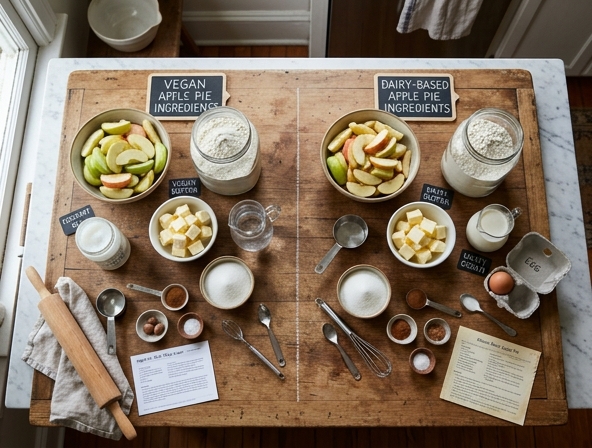
Achieving the iconic, flaky texture of a traditional butter-based pie crust remains a significant hurdle for many plant-based bakers. Standard recipes historically rely on dairy fats for essential structural integrity and mouthfeel. Yet, modern culinary techniques now grant plant-based crusts a richness that rivals their traditional counterparts. Note that specific lipid sourcing is critical; high-quality vegan alternatives are essential. Ingredients like chilled, refined coconut fat effectively mimic butter's performance. We will now explore techniques to master these ratios for professional-grade results.
| Focus Area | Summary Details |
|---|---|
| Core Challenge | Replicating the iconic, flaky texture and structural integrity of traditional dairy-based pie crusts. |
| Critical Factor | Success depends on high-quality lipid sourcing to achieve the desired richness and mouthfeel. |
| Recommended Substitute | Chilled, refined coconut fat is identified as an effective alternative to mimic butter's performance. |
| Objective | Mastering precise ingredient ratios to ensure professional-grade, plant-based pastry results. |
Vegan vs. Dairy-Based for Apple Pie: Finding Richness in Plant-Based Crusts
The apple pie is a cornerstone of domestic baking-a dessert that balances tart, spiced fruit with a golden, buttery, flaky shell. For generations, the gold standard for that shell has been dairy butter. Its unique combination of milk solids, water, and saturated fat creates a crust that is not only structurally sound but profoundly flavorful, browning beautifully to a deep, savory-sweet finish. However, as plant-based baking evolves, the gap between traditional and vegan crusts is closing. The challenge no longer lies in creating a crust that holds together, but in achieving that elusive, deep richness that dairy butter provides.
The Science of the Butter Standard
To understand why dairy butter has reigned supreme, we must look at its composition. Butter is approximately 80–82% fat, 16–18% water, and 1–2% milk solids. When a crust is baked, the water in the butter evaporates, creating steam that puffs up layers of flour, while the fat coats the proteins, inhibiting gluten development and ensuring tenderness. Crucially, the milk solids contribute to the Maillard reaction-that magical browning process that imparts a toasted, nutty flavor to the crust. When you replace butter, you aren't just replacing fat; you are replacing a complex chemical system.
The Hurdles of Plant-Based Crusts
Many early attempts at vegan pie crusts relied heavily on vegetable shortening or oil. While these produced exceptionally flaky results due to their high melting points, they often lacked the depth of flavor associated with butter. They were "neutral" at best, or slightly waxy at worst. Furthermore, because vegetable fats are 100% fat with no water content, the dough would often become overly brittle or crumbly, lacking the suppleness needed for a beautiful crimp. To find richness in a plant-based crust, bakers must compensate for this missing 20%-the water and the milk solids.
The Toolkit for Richness: Choosing the Right Fats
To replicate the dairy experience, we must be intentional about our fat selection. Modern vegan baking has shifted toward "butter sticks" (such as those made from a blend of palm, canola, or coconut oils). These sticks are designed to mimic the melting point of dairy butter, ensuring that they stay solid at room temperature long enough to create those distinct, flaky layers.
- Vegan Butter Sticks: The best all-around performer. They contain added water and salt, which mimics the composition of dairy butter.
- Coconut Oil (Refined): Provides excellent structure due to its high saturated fat content, but it has a lower melting point than butter, meaning it requires meticulous chilling.
- The Hybrid Method: For the ultimate result, some bakers use a 50/50 split of vegan butter and refined coconut oil. This provides the flavor of the butter and the structural integrity of the coconut oil.
Bridging the Flavor Gap: The Secret Ingredients
If your vegan crust tastes "flat," it's likely missing the complexity of milk solids. You can replicate this richness by incorporating subtle flavor enhancers that mimic the savory profile of butter.
Acid and Liquid: Substituting water with cold, full-fat oat milk or even a mixture of non-dairy yogurt and water can introduce proteins and sugars that assist in browning. A splash of apple cider vinegar is also essential; it keeps the dough tender by inhibiting gluten, and it provides a brightness that helps the crust stand up to the sugary filling.
The "Maillard" Hack: To get that golden, toasted look, consider brushing the crust with a mixture of melted vegan butter and a pinch of coconut sugar or maple syrup before baking. The sugars caramelize, providing the visual and gustatory depth that dairy-based milk solids usually provide naturally.
Technique: The Foundation of Flakiness
Regardless of whether you choose dairy or plant-based, the technique remains the most important factor in the success of the crust. The goal is to keep the fat in small, distinct "pea-sized" chunks throughout the flour. When these chunks hit the heat of the oven, they create pockets of steam, resulting in layers. For a plant-based crust, which can sometimes be less forgiving, these tips are non-negotiable:
- Temperature Control: Chill everything. Chill your fat, chill your bowl, and chill your flour. If the fat melts before the pie hits the oven, you lose the layers.
- The Vodka Trick: Replace half of the liquid in your recipe with chilled vodka. Alcohol inhibits gluten development more than water, resulting in an exceptionally tender, flaky crust, and it evaporates faster than water during the bake.
- Gentle Handling: Overworking the dough is the enemy. Use a pastry cutter or a food processor with short pulses. Once the dough barely comes together, stop. Use a light touch to gather it into a disk.
The Verdict: Is Plant-Based Better?
Is a plant-based crust objectively "better" than a dairy-based one? Not necessarily-but it can certainly be the equal of its counterpart. The richness of a dairy crust is nostalgic and comforting, but the precision required for a high-quality vegan crust can actually make you a more observant and skilled baker. By using high-quality vegan fats, embracing cold-temperature techniques, and adding ingredients that mimic the Maillard reaction, you can create a pie that satisfies the most traditional of palates.
Ultimately, the perfect apple pie is about the relationship between the fruit and the crust. Whether you use butter or a plant-based alternative, the success lies in the contrast: the tart, juicy filling against the crisp, buttery, salt-kissed shell. By mastering the science of plant-based fat and heat, you can find a depth of flavor that proves you don't need dairy to achieve the height of pastry perfection.
Disclaimer:
The information provided on Eateryn is for general educational and informational purposes only and is not intended as medical, nutritional, or healthcare advice. It should not be used to diagnose, treat, cure, or prevent any disease or medical condition.
Always consult a qualified physician, registered dietitian, or other certified healthcare professional before making changes to your diet, exercise routine, or lifestyle, or regarding any medical questions or concerns you may have. Never disregard or delay seeking professional medical advice because of something you have read on this website.