
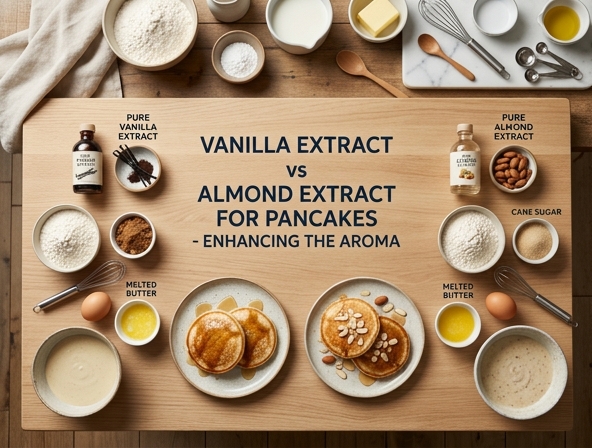
Vanilla Extract vs Almond Extract for Pancakes - Enhancing The Aroma
Elevating Pancake Aroma: Extract Selection
Many home cooks find their pancakes lack professional aromatic depth, often resulting in flat, uninspired breakfasts. While standard recipes traditionally rely on vanilla extract, refined culinary techniques demand more nuanced choices. Selecting the right extract creates a sensory experience that truly defines the final dish. Note that potency varies significantly; almond is far more concentrated than vanilla. Whether you prefer the classic warmth of vanilla or the nutty, marzipan complexity of almond, this guide evaluates each impact.
| Feature | Vanilla Extract | Almond Extract |
|---|---|---|
| Flavor Profile | Classic, warm, and familiar. | Nutty, complex, and marzipan-like. |
| Potency | Standard culinary strength. | Highly concentrated; use sparingly. |
| Culinary Impact | Provides a foundational, balanced aroma. | Adds a sophisticated, nuanced depth. |
| Best Used For | Traditional pancake recipes. | Elevating pancakes with unique aromatic complexity. |
Vanilla Extract vs. Almond Extract: The Art of Enhancing Your Pancake Aroma
There is perhaps no morning ritual as universally beloved as the Saturday morning stack of pancakes. The sizzle of butter on a hot griddle, the golden-brown edges of the batter, and that intoxicating, sweet fragrance that wafts through the house-it is the quintessential comfort food experience. While flour, milk, eggs, and leavening agents provide the structural backbone of a great pancake, it is the subtle nuances of flavor-specifically the extracts-that elevate a simple breakfast into a memorable culinary event.
When it comes to boosting the aroma and depth of your pancakes, two titans dominate the spice cabinet: vanilla extract and almond extract. While both are pantry staples, they serve very different purposes in the chemistry of flavor. Choosing the right one-or knowing how to pair them-can be the difference between a "good" pancake and a "bakery-worthy" masterpiece.
The Classic: Vanilla Extract and the "Warmth" Factor
Vanilla is the undisputed monarch of the baking world. Derived from the cured seed pods of the Vanilla planifolia orchid, pure vanilla extract is a complex blend of hundreds of organic compounds. When added to pancake batter, it does far more than just add a "vanilla" flavor; it acts as a flavor enhancer for the other ingredients, much like salt does for savory dishes.
Why Vanilla Works
The primary appeal of vanilla in pancakes is its ability to provide a "roundness" to the flavor profile. It suppresses the metallic tang of leavening agents like baking powder and rounds out the raw taste of flour and eggs. Its aroma is floral, woody, and intensely comforting. When the batter hits the hot pan, the alcohol in the extract evaporates, leaving behind the aromatic vanillin that permeates the air, creating that classic "home-cooked" scent that signals to the brain that breakfast is ready.
Pro-Tip: Always opt for pure vanilla extract over imitation. Imitation vanilla is often made from synthetic vanillin derived from wood pulp or petroleum-based guaiacol; it provides a flat, one-dimensional sweetness that lacks the lingering, nuanced finish of the real deal.
The Bold Contender: Almond Extract and the "Sophistication" Factor
If vanilla is the reliable, comforting base, almond extract is the mysterious, sophisticated guest. Almond extract is derived from the oil of bitter almonds or apricot kernels. The primary aromatic compound here is benzaldehyde, which gives it that distinct, cherry-like, nutty, and marzipan-forward scent.
Why Almond Works
Almond extract is significantly more potent than vanilla. While vanilla whispers, almond commands attention. It adds a layer of depth that is undeniably "expensive" and reminiscent of high-end French pastries or classic wedding cakes. Because of its intensity, it cuts through the richness of milk or buttermilk better than vanilla, providing a bright, sharp contrast to the soft, spongy texture of the pancake.
However, almond extract is a double-edged sword. Because it is so concentrated, it can easily overwhelm a batter if used in excess. A pancake that tastes like a bottle of extract is a pancake ruined. When used judiciously, however, it transforms the pancake from a breakfast item into something that feels like a dessert.
The Chemistry of Aroma: Why It Matters
The aroma of a pancake is not just about what you put in the bowl; it's about what happens on the griddle. This is known as the Maillard reaction-a chemical reaction between amino acids and reducing sugars that gives browned food its distinctive flavor. Extracts play a crucial role here because they contain volatile compounds that vaporize at high temperatures.
- Vanilla's Performance: Vanilla compounds are relatively stable but bloom beautifully under heat. They provide a steady, consistent scent that remains pleasant and mellow throughout the entire cooking process.
- Almond's Performance: Almond extract's volatile compounds are more aggressive. As they vaporize, they carry a more powerful "scent-throw," which can make your kitchen smell like an artisanal bakery within seconds of the first flip.
Comparison: When to Use Which?
| Feature | Vanilla Extract | Almond Extract |
|---|---|---|
| Flavor Profile | Floral, woody, sweet, mellow | Nutty, cherry-like, bold, intense |
| Best Pairings | Blueberries, bananas, maple syrup | Cherries, peaches, poppy seeds, ricotta |
| Intensity | Moderate (hard to overdo) | Very High (use sparingly) |
| Vibe | Cozy, homey, classic | Elegant, sophisticated, indulgent |
The Power Couple Strategy: Blending for Balance
The culinary secret known by many professional pastry chefs is that you don't necessarily have to choose. Vanilla and almond make a legendary team. Because vanilla is so grounding, it tames the sharpness of the almond, while the almond provides the "lift" that vanilla sometimes lacks.
If you want to create a pancake that leaves people asking for the recipe, try this ratio: one teaspoon of vanilla extract to one-eighth teaspoon of almond extract. This combination allows the vanilla to act as the base layer, while the almond provides that mysterious, "I can't quite put my finger on it" high note of flavor.
Tips for Maximum Aromatic Impact
To truly enhance the aroma of your pancakes, consider these three professional techniques:
- Bloom the Extract: If you are using a liquid-heavy batter, stir the extract into the wet ingredients (milk or melted butter) *before* incorporating the dry ingredients. This allows the alcohol to disperse the aromatic compounds more evenly throughout the batter.
- Temperature Control: Avoid high heat. If your pan is too hot, you will scorch the sugars in the batter and evaporate your extracts before they have a chance to meld with the pancake's crumb. A medium-low heat allows the aromatics to develop slowly and deeply.
- The Finish: If you want the strongest aromatic experience, do not cook *all* the flavor away. Add a tiny drop of vanilla extract into your room-temperature maple syrup before pouring it over your finished stack. The aroma will release the moment it hits the hot, steaming pancakes.
Final Verdict
There is no "better" choice between vanilla and almond; there is only the choice that fits the moment. If you are serving a simple breakfast for children or looking for that quintessential, nostalgic Sunday morning, stick with high-quality pure vanilla. If you are hosting a brunch, serving fruit-based pancakes, or simply looking to impress, introduce the almond extract to your batter. By understanding the chemistry behind the scent, you move from being a home cook who follows a recipe to a culinary artist who knows exactly how to capture the senses before the first bite is even taken.
Next time you whisk your batter, take a moment to smell the difference. You aren't just making breakfast; you're setting the tone for the entire day.
Disclaimer:
The information provided on Eateryn is for general educational and informational purposes only and is not intended as medical, nutritional, or healthcare advice. It should not be used to diagnose, treat, cure, or prevent any disease or medical condition.
Always consult a qualified physician, registered dietitian, or other certified healthcare professional before making changes to your diet, exercise routine, or lifestyle, or regarding any medical questions or concerns you may have. Never disregard or delay seeking professional medical advice because of something you have read on this website.