
Toasted vs Untoasted for Hot Dog - Bun Integrity Techniques
The frustration of a disintegrated bun mid-meal is a common culinary oversight. While many service models rely on standard room-temperature plating, achieving true structural integrity requires precision. Toasting creates a vital moisture-resistant barrier, safeguarding the crumb against heavy condiments. However, note that thermal application requires balance; excessive charring compromises texture. For instance, a butter-toasted brioche significantly outperforms a limp, steamed alternative. The following analysis explores optimal techniques to ensure your bun remains a reliable, flavor-forward foundation.
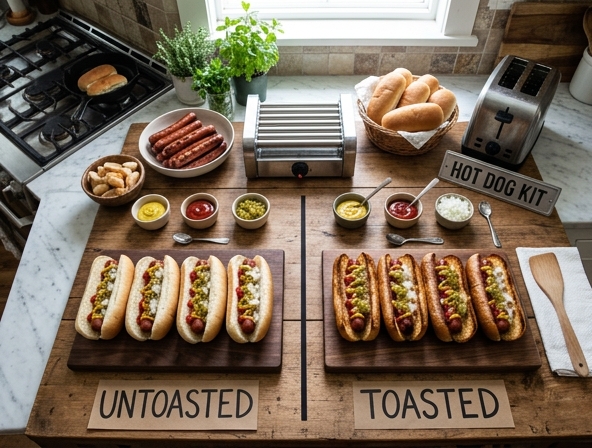
| Technique | Structural Integrity | Culinary Impact | Recommendation |
|---|---|---|---|
| Untoasted / Steamed | Low | Prone to disintegration and limp texture; fails to resist moisture from condiments. | Avoid if seeking long-lasting structural support. |
| Standard Toasting | High | Creates a vital moisture-resistant barrier; prevents sogginess. | Monitor heat to avoid excessive charring. |
| Butter-Toasted Brioche | Excellent | Superior structural reliability with added depth of flavor. | Use as the preferred standard for high-quality service. |
The Great Bun Debate: Toasted vs. Untoasted for Hot Dog Integrity
The hot dog is a culinary icon, a masterpiece of simplicity that relies on a delicate balance of flavor, texture, and structural engineering. At the heart of this architecture lies the bun. It is more than a mere vessel; it is the foundation upon which your toppings sit and the barrier that keeps your hands clean. Yet, a fierce, often overlooked debate divides backyard grillers and street-cart vendors alike: Should a hot dog bun be toasted or served untoasted?
The choice between toasted and untoasted isn't just a matter of personal preference; it is a strategic decision regarding moisture management, structural integrity, and the overall sensory experience. Let's delve into the mechanics of the bun to determine which approach best serves your hot dog.
The Case for the Untoasted Bun: The Purist's Soft Embrace
To the purist, the untoasted bun is the gold standard of nostalgia. In the world of the Chicago-style dog, a steamed, poppy-seed bun is not just preferred-it is mandatory. The untoasted bun offers a pillowy, cloud-like texture that yields instantly to the bite, allowing the snap of the frankfurter and the crunch of the vegetables to take center stage.
Structural Pros: A fresh, untoasted bun is highly absorbent. If you are piling on mustard, relish, or chili, an untoasted bun acts like a sponge, soaking up the juices and creating a cohesive, unified bite. The soft crumb remains flexible, meaning it won't crack or fracture when you add bulky toppings like diced onions or sport peppers.
The Downside: The inherent weakness of the untoasted bun is its vulnerability to moisture. If you are serving a "juicy" dog-perhaps one fresh off the grill or loaded with heavy sauce-the untoasted bun will quickly succumb to saturation. What begins as a soft, comforting vessel can rapidly devolve into a soggy mess, leading to what we call "structural failure" before the meal is finished.
The Toasted Approach: The Structuralist's Defense
For those who prioritize structural integrity and the Maillard reaction, toasting is non-negotiable. By applying heat to the inner faces of the bun, you are essentially performing a surgical procedure on the bread's proteins and sugars, transforming a soft surface into a protective, flavorful barrier.
The Science of the Barrier: When you toast a bun, you are dehydrating the surface layer. This creates a crust that is significantly more resistant to moisture. Think of it as a waterproof lining; when the juices from the hot dog or the acidity from the condiments hit that toasted surface, they don't immediately sink into the crumb. Instead, they sit on top, preserving the integrity of the bread for longer.
Flavor and Texture: Toasting introduces a nutty, savory profile that complements the smoky notes of a grilled frankfurter. The contrast between the crisp inner surface of the bun and the tender, juicy interior of the dog provides a superior mouthfeel. It transforms the bun from a generic delivery mechanism into a deliberate part of the flavor profile.
Techniques for Maximizing Bun Integrity
Whether you choose to toast or stay soft, your goal remains the same: ensuring the dog stays together from the first bite to the last. Here are the professional techniques for maintaining bun integrity regardless of your preference.
- The Butter Barrier: If you choose to toast, use a thin layer of salted butter. The fat in the butter creates an additional hydrophobic layer that repels excess moisture, keeping the crumb dry even longer.
- The "Split-Top" Advantage: If you have the option, use New England-style split-top buns. Because the bread is sliced vertically, you have two flat, sturdy sides that are perfect for pan-toasting. The structure of a split-top bun is inherently more upright than a side-cut bun, making it naturally resistant to tipping and spilling.
- Controlled Steaming: If you prefer the soft route, skip the microwave-which makes bread rubbery-and use a gentle steam. By placing the buns in a steamer basket over simmering water for exactly 60 seconds, you achieve that professional, tavern-style softness without inducing "sogginess."
- Strategic Condiment Placement: The order of operations is crucial. If you are using a mustard base, apply it directly to the bun first. Mustard is viscous and acts as a secondary seal. Then add the hot dog, and save the loose, watery toppings (like relish or raw onions) for the top. This prevents the moisture-heavy ingredients from sitting directly on the bread.
The Verdict: Matching Bun to Dog
So, which is the superior method? The answer is dictated by the dog itself.
If you are serving a Chicago-style dog, or a classic ballpark frank loaded with wet condiments, the untoasted, steamed bun is the traditional choice. The key here is serving speed-eat it quickly before the structural failure begins.
If you are serving a gourmet dog, a bratwurst, or a chili-cheese dog, the toasted bun is your best ally. The weight of the chili and the grease from a sausage require the structural fortitude that only a toasted, buttered surface can provide.
Ultimately, the "integrity" of a hot dog is a dance between the chef and the bread. By understanding the moisture-wicking properties of your bun and the chemical changes triggered by heat, you can ensure that your meal remains a handheld delight rather than a culinary catastrophe. Whether you lean toward the soft comfort of the steamer or the crisp protection of the griddle, take a moment to consider the foundation-your hot dog will thank you for it.
Disclaimer:
The information provided on Eateryn is for general educational and informational purposes only and is not intended as medical, nutritional, or healthcare advice. It should not be used to diagnose, treat, cure, or prevent any disease or medical condition.
Always consult a qualified physician, registered dietitian, or other certified healthcare professional before making changes to your diet, exercise routine, or lifestyle, or regarding any medical questions or concerns you may have. Never disregard or delay seeking professional medical advice because of something you have read on this website.