
Spicy vs Mild for Hot Dog - Determining Your Heat Tolerance
Spicy vs. Mild for Hot Dog: Determining Your Heat Tolerance
Choosing the perfect heat level for a gourmet hot dog often feels overwhelming, as diners frequently oscillate between timid mildness and aggressive spice. While standard condiments offer a baseline, adjusting heat elevates the flavor profile significantly. Note that heat tolerance is subjective; what one palate considers zestful, another deems intolerable. Whether testing subtle jalapeño infusions or intense ghost pepper glazes, calibration is essential. This guide outlines objective methods to determine your specific heat threshold for future dining.
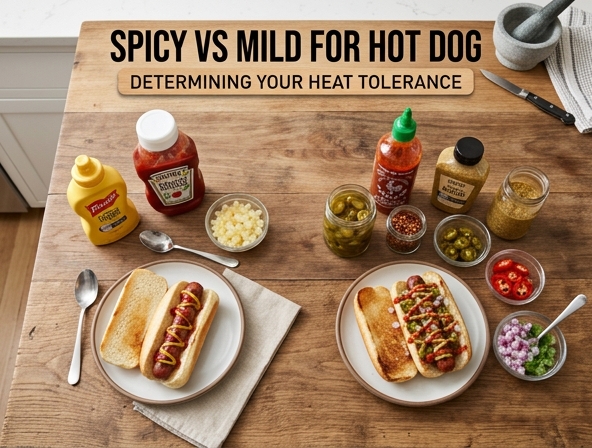
| Category | Summary Details |
|---|---|
| Article Topic | Choosing the optimal heat level for gourmet hot dogs. |
| Core Objective | Understanding how to calibrate spice levels to elevate flavor profiles. |
| Key Insight | Heat tolerance is inherently subjective; what is zestful for one may be intolerable for another. |
| Expert Advice | Utilize objective calibration methods to determine your personal threshold, ranging from mild infusions to intense glazes. |
Spicy vs. Mild for Hot Dog: Determining Your Heat Tolerance
The humble hot dog is perhaps the world's most versatile culinary canvas. Whether you are at a backyard barbecue, a professional baseball stadium, or a late-night street food stand, the hot dog is defined not just by the quality of the sausage, but by the toppings that adorn it. Among the many decisions a diner must make, one stands as the ultimate divide: the choice between mild and spicy.
For some, a hot dog is a nostalgic vessel for comfort, requiring only a gentle ribbon of yellow mustard or a spoonful of sweet relish. For others, the hot dog is an opportunity for sensory adventure, demanding the searing heat of habaneros, jalapeños, or complex chili-infused sauces. Determining where you fall on this spectrum is about more than just taste; it is about understanding your own physiological reaction to heat and how you prefer to experience flavor.
The Case for Mild: The Art of Balance
Choosing "mild" is often unfairly labeled as a lack of culinary ambition. On the contrary, opting for mild toppings is a deliberate choice to appreciate the fundamental profile of the meat. A high-quality frankfurter-whether beef, pork, or a high-end artisanal blend-possesses subtle notes of smoke, garlic, and seasoning that can be easily obliterated by high-Scoville additives.
Mild toppings serve to complement the savoriness of the meat rather than compete with it. Classic choices like sauerkraut, caramelized onions, or a standard deli mustard provide the necessary acidity and crunch to cut through the richness of the sausage fat without overwhelming the palate. When you keep the heat low, you are essentially "clearing the runway" for the texture and quality of the hot dog to take center stage. For those who prioritize comfort and nostalgia, the mild path is the authentic path.
The Case for Spicy: The Thrill of the Kick
On the other side of the aisle, the "spicy" contingent views the hot dog as an instrument of intensity. Capsaicin, the chemical compound responsible for the heat in chili peppers, triggers the release of endorphins-the body's natural "feel-good" chemicals. This is why many people find themselves craving spicy foods; the "burn" is a genuine rush.
Beyond the physiological high, spicy toppings add a layer of complexity that transforms a hot dog from a snack into a meal. A serrano-heavy pico de gallo or a ghost-pepper-infused relish adds depth, sharpness, and a lingering warmth that evolves with every bite. Spicy toppings can also act as a palate cleanser, preventing the palate from becoming fatigued by the salty, fatty profile of the meat. If your goal is to experience a wide array of flavors-from citrusy acidity to earthy, scorched notes-the spicy route is your primary vehicle.
Determining Your Heat Tolerance: A Self-Assessment
How do you know if you are a "mild-mannered" eater or a "spice-seeker"? It is helpful to treat your palate like an athlete treats their muscles: with incremental training. Here is a simple guide to gauging your heat threshold:
- The Beginner (Mild): You prefer the focus on the meat and bread. You find black pepper slightly overwhelming and prefer sweet or tangy accents. Your ideal hot dog includes classic condiments, maybe some sweet onions.
- The Adventurer (Medium-Mild): You enjoy a bit of zing. You appreciate the mild crunch of a pickled jalapeño slice or the kick of a horseradish-forward mustard. You want to feel the heat, but you don't want it to dominate the meal.
- The Enthusiast (Medium-Spicy): You aren't afraid of fresh chilies. You regularly order your wings "medium-hot" and enjoy sauces that incorporate ingredients like Sriracha or chili-garlic paste. You look for heat that lingers but doesn't cause physical distress.
- The Fire-Breather (Spicy): You are looking for the burn. You aren't satisfied unless your eyes water slightly. You gravitate toward habanero, Thai bird's eye chilies, or carolina reaper-infused hot sauces. For you, the hot dog is just a delivery system for the sauce.
Bridging the Gap: Sweet Heat
If you find yourself torn between the comfort of mild and the excitement of spicy, the "Sweet Heat" category is the perfect middle ground. This is the secret weapon of gourmet hot dog preparation. By combining a spicy element with a sweet counterpart-such as a pineapple-habanero salsa, a spicy honey mustard, or a chili-infused fruit chutney-you can enjoy the rush of heat without the burn being too abrasive.
The sugar in the sweet component buffers the capsaicin, allowing the heat to unfold slowly rather than hitting you like a shockwave. This balance is often more rewarding than pure heat because it creates a dynamic flavor profile: the initial sweetness draws you in, and the subsequent heat keeps you coming back for the next bite.
The Verdict
Ultimately, there is no "correct" answer in the spicy vs. mild debate. The hot dog is a reflection of your mood and your specific cravings at any given moment. Some days call for the simple, grounding comfort of a classic ballpark-style dog with stadium mustard. Other days call for the high-octane excitement of a loaded, spice-heavy creation that forces you to slow down and savor the burn.
To truly determine your heat tolerance, don't be afraid to experiment. Start with a side of jalapeño relish or a dash of spicy mustard. Listen to your palate. If you find yourself reaching for water after a single bite, you've hit your limit-and that's okay. If you find yourself thinking, "This could use more heat," then welcome to the world of the spice-seekers. Regardless of where you land, the beauty of the hot dog lies in the fact that it will always be there, ready to be customized exactly to your liking.
Disclaimer:
The information provided on Eateryn is for general educational and informational purposes only and is not intended as medical, nutritional, or healthcare advice. It should not be used to diagnose, treat, cure, or prevent any disease or medical condition.
Always consult a qualified physician, registered dietitian, or other certified healthcare professional before making changes to your diet, exercise routine, or lifestyle, or regarding any medical questions or concerns you may have. Never disregard or delay seeking professional medical advice because of something you have read on this website.