
Smoked Vs Fried For Buffalo Wings - Deepening The Flavor Complexity
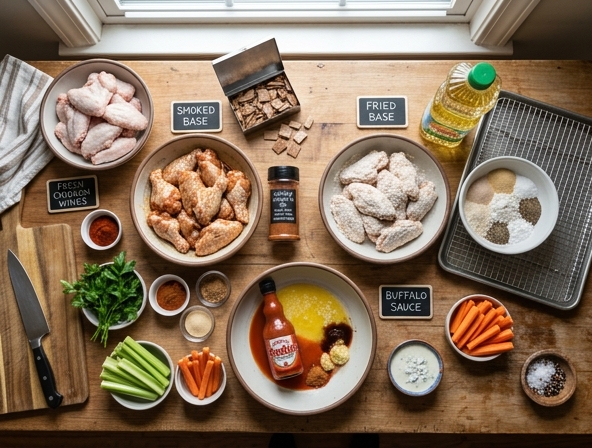
Home cooks often struggle to achieve the profound flavor complexity found in professional Buffalo wings. While many rely exclusively on high-heat frying or traditional grilling, these single-method approaches often lack depth. By implementing a hybrid process, you can harmonize natural smokiness with the quintessential crispy skin. Please note that this method requires careful temperature regulation. Techniques like hickory-smoking prior to a rapid flash-fry deliver superior results. We will now examine how this two-stage process transforms your wings.
| Aspect | Summary Details |
|---|---|
| The Problem | Single-method cooking (only frying or only grilling) fails to achieve the professional flavor depth desired by home cooks. |
| The Recommended Solution | A hybrid, two-stage process: hickory-smoking followed by a rapid flash-fry. |
| Key Benefits | Harmonizes deep, natural smokiness with the signature crispy skin of a traditional Buffalo wing. |
| Essential Requirements | Precise temperature regulation is critical to success during the transition from smoking to frying. |
Smoked Vs. Fried: Deepening the Flavor Complexity of Buffalo Wings
The Buffalo wing is more than just bar food; it is a culinary institution. While the classic preparation-deep-fried until golden and tossed in a punchy, vinegar-forward cayenne sauce-has stood the test of time, a quiet revolution has taken place in the backyard pits and professional kitchens of the world. The debate between smoking and frying is no longer just about convenience or equipment; it is about flavor architecture.
To understand the difference, we must first look at what happens to the chicken on a molecular level. Whether you choose the scorching embrace of a deep fryer or the gentle, aromatic infusion of a smoker, you are manipulating texture, fat rendering, and the Maillard reaction in fundamentally different ways.
The Case for Deep Frying: The Texture Benchmark
Deep frying remains the gold standard for a reason. It is the gold standard because of physics. When a wing hits hot oil (typically 350°F to 375°F), the surface moisture evaporates instantly, and the skin undergoes an intense Maillard reaction-the chemical process that creates browning and complex, savory flavors. The high heat renders the subcutaneous fat rapidly, resulting in a crispy, glass-like skin that acts as a perfect vessel for Buffalo sauce.
The beauty of a fried wing lies in its immediacy. The contrast between the crunchy exterior and the succulent, juicy meat inside is the defining characteristic of the Buffalo experience. Because the cooking time is short, the meat stays tender, and the sauce clings to the rough, crisp surface, creating a harmonious bite that hits every part of the palate at once.
The Case for Smoking: Building Layers of Complexity
Smoking, by contrast, is a slow build. It is not merely a cooking method; it is an infusion of volatile organic compounds derived from burning wood. When you smoke a wing, you aren't just heating the bird; you are bathing it in the essence of hickory, apple, cherry, or pecan.
The flavor profile of a smoked wing is exponentially more complex than that of a fried one. Instead of relying solely on the sauce for flavor, the meat itself becomes seasoned from the inside out. The smoke penetrates the skin, lending notes of earth, sweetness, or woodsy char that a fryer simply cannot replicate. However, the pitmaster's greatest challenge is the skin. Without the intense, rapid heat of oil, smoked chicken skin can often end up rubbery or "flabby." Achieving a "bite-through" skin on a smoker requires patience-typically involving high-heat finishing or a dry-brine process to pull excess moisture from the skin before the smoke begins.
The Hybrid Approach: The "Pro" Secret
For those looking to achieve the ultimate Buffalo wing, the modern consensus points toward a hybrid approach. This method acknowledges that while smoke provides the depth, frying provides the structural integrity.
The strategy is simple: Smoke, then sear (or fry). By smoking the wings at a low temperature (around 225°F to 250°F) for 45 to 60 minutes, you allow the wood smoke to penetrate the meat and start the rendering process. Once the wings have absorbed that signature smoky profile, you finish them with a high-heat method-either by dropping them in a fryer for two minutes or throwing them onto a screaming-hot grill.
This hybrid method solves the "rubbery skin" problem while maintaining the incredible depth of flavor that only a smoker can provide. The result is a wing that possesses the smoky, wood-fired complexity of a high-end barbecue joint, paired with the crisp, sauce-hugging texture of a classic wing shack.
Choosing Your Flavor Profile
The choice between smoking and frying-or the hybrid method-should also dictate your approach to seasoning and sauce.
1. The Fried Wing (Classic Buffalo)
Since the frying process is essentially neutral in terms of wood-flavor infusion, you have a blank canvas. This is where you want to lean into the sharp, acidic tang of a traditional Frank's RedHot and butter emulsion. Because the skin is so crispy, it can handle a heavier, more viscous sauce without becoming soggy.
2. The Smoked Wing (The Culinary Nuance)
Because smoked wings already carry a deep, savory, and perhaps slightly sweet profile from the wood, heavy vinegar sauces can sometimes clash. Consider a dry rub before smoking-something with brown sugar, smoked paprika, and garlic-and finish with a thinner, more nuanced sauce, perhaps one infused with molasses or even a hint of bourbon to complement the smoke.
3. The Hybrid Wing (The Best of Both Worlds)
Here, you have total creative freedom. The smoke provides a baseline, the fry provides the crunch, and the sauce provides the finishing punch. This is the stage where you can experiment with "fusion" sauces, such as a gochujang-buffalo blend or a maple-chipotle glaze, which thrive when they have both the smoke and the crunch to cling to.
Conclusion: The Pursuit of the Perfect Wing
Whether you are a purist who believes that wings should only ever touch hot oil, or an enthusiast who believes flavor is defined by the quality of your wood chips, both methods offer a distinct path to satisfaction.
Frying is about the visceral joy of texture-the snap of the skin and the immediate impact of the sauce. Smoking is about the art of patience-the slow infusion of flavor and the creation of a meat profile that lingers on the tongue. By deepening the flavor complexity through either method (or the marriage of both), you elevate the humble chicken wing from a simple snack into a sophisticated dish that commands respect. Next time you fire up the kitchen or the grill, don't just cook the wings-engineer them. Experiment with the smoke, respect the fryer, and find the balance that makes your wings the ones everyone talks about.
Disclaimer:
The information provided on Eateryn is for general educational and informational purposes only and is not intended as medical, nutritional, or healthcare advice. It should not be used to diagnose, treat, cure, or prevent any disease or medical condition.
Always consult a qualified physician, registered dietitian, or other certified healthcare professional before making changes to your diet, exercise routine, or lifestyle, or regarding any medical questions or concerns you may have. Never disregard or delay seeking professional medical advice because of something you have read on this website.