
Smash Vs. Hand-Packed For Burger - Comparing Patty Techniques
Smash Vs. Hand-Packed: Selecting Your Patty Technique
Selecting the ideal patty preparation often feels like an impossible culinary compromise. While traditionalists rely on standard portioning, modern kitchens demand precision. Both methods offer distinct benefits; smashing prioritizes Maillard-driven crust, whereas hand-packing preserves essential interior moisture. Note that success requires high-quality grinds regardless of your chosen approach. From the crispy edges of a smash-style classic to the succulent depth of tavern burgers, the difference lies in heat application. We will now explore these methodologies.
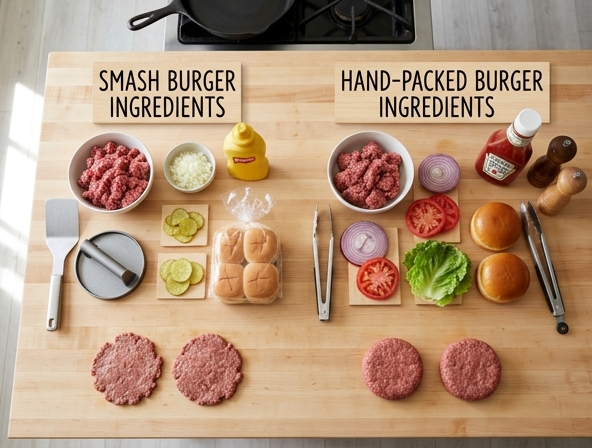
| Technique | Primary Benefit | Key Focus |
|---|---|---|
| Smash | Creates a robust, flavor-packed Maillard crust. | High heat application to achieve crispy edges. |
| Hand-Packed | Preserves succulent interior moisture. | Focuses on thickness and meat density. |
| Note: Regardless of the technique chosen, high-quality grinds are essential for a successful burger. | ||
The Battle of the Beef: Smash vs. Hand-Packed Burgers
In the pantheon of comfort food, few debates are as heated-or as delicious-as the controversy between the smash burger and the hand-packed patty. Both have their devout followers, their specific techniques, and their ideal serving contexts. To the uninitiated, they are simply "meat on a bun," but to the true burger enthusiast, the difference represents an entirely different philosophy of flavor, texture, and culinary science.
The Smash Burger: The Art of the Crust
The smash burger is a study in the Maillard reaction. Originating from the mid-century roadside diners, the technique is elegantly simple: a loose ball of high-fat ground beef is placed on a screaming-hot flat-top grill and crushed flat with a heavy metal press. The result is a thin, lacy-edged patty with an intense, deeply caramelized exterior.
Why It Works
The goal of the smash burger is surface area. By smashing the meat into the iron, you create maximum contact with the cooking surface. This leads to an aggressive browning that creates a flavor profile impossible to achieve with thicker patties. The fat renders quickly, essentially "frying" the edges of the beef in its own juices. This produces that signature "crispy lace" that provides a delightful textural contrast to the soft, squishy bun usually paired with this style.
The Ideal Specs
- Fat Ratio: You need at least 20% fat. Anything leaner will dry out before it gets that crust.
- Temperature: Extremely high. Your pan should be smoking.
- Equipment: A heavy-duty spatula or a dedicated cast-iron burger press.
The Hand-Packed Burger: The Study of Juiciness
If the smash burger is about the crust, the hand-packed burger-often referred to as the "pub-style" burger-is about the bite. This technique prioritizes a thicker patty, typically between 6 to 8 ounces, shaped by hand with just enough pressure to hold it together. The goal here is to achieve a juicy, tender interior that retains the structural integrity of a steak-like experience.
Why It Works
Hand-packing allows for variable doneness. Because the patty is thicker, you can pull it off the heat while the center is still a perfect, rosy medium-rare or medium. The interior remains succulent, acting as a reservoir for beefy juices that are lost in the searing process of a smash burger. It is a more "meat-forward" experience, focusing on the quality of the grind and the inherent savoriness of the protein rather than the charred exterior.
The Master Technique
To master the hand-packed patty, you must follow the "loose touch" rule. If you over-knead the meat, the proteins will cross-link, resulting in a dense, rubbery puck rather than a tender patty. Keep the meat cold until the moment it hits the heat, and create a small dimple in the center of the patty with your thumb. This prevents the burger from "doming" (puffing up like a ball) as it cooks, ensuring even heat distribution.
Comparing the Profiles: A Side-by-Side
Flavor and Aroma
The smash burger wins on aroma; the scent of browning beef fat hitting a hot griddle is visceral. The flavor is sharp, salty, and intense. The hand-packed burger offers a more subtle flavor profile-it tastes like the meat itself, complemented by the smoke of the grill or the butter of the pan, rather than being dominated by a charred crust.
Versatility and Toppings
Smash burgers demand simplicity. Because the patty is so thin, overly complex toppings often slide off or overwhelm the delicate meat. A classic smash burger setup includes American cheese (which melts perfectly), pickles, onions, and a tangy special sauce. Hand-packed burgers, with their heft, can stand up to "the works"-thick-cut bacon, roasted peppers, avocado, or gourmet cheeses like Gruyère or blue cheese won't bury the flavor of a thick patty.
Prep and Accessibility
Technically, the smash burger is faster to cook but requires a higher level of "active" kitchen management. You have to work quickly to ensure all patties finish at the same time. The hand-packed burger is more forgiving in terms of timing; you can let them sit on a grill, manage the heat more effectively, and focus on the bun while they rest.
The Verdict: Which Should You Choose?
Ultimately, your choice should depend on the mood and the company. If you are hosting a casual backyard gathering where you want to pump out food quickly, or if you are craving that nostalgic, salty, crispy-edge satisfaction, the smash burger is your best friend. It is the king of the griddle and the undisputed champion of the "junk food" craving.
However, if you are looking to showcase a high-quality blend of beef-perhaps a dry-aged chuck or a brisket-short rib mix-go with the hand-packed method. It is the better vehicle for appreciating the nuance of the beef, offering a steak-house experience in a portable, sandwich-friendly format.
Regardless of the technique, the golden rule remains the same: use quality meat, season generously with kosher salt, and never underestimate the importance of a toasted bun. Whether you crush your beef or treat it with a gentle hand, the soul of a great burger lies in the balance of fat, heat, and timing.
Disclaimer:
The information provided on Eateryn is for general educational and informational purposes only and is not intended as medical, nutritional, or healthcare advice. It should not be used to diagnose, treat, cure, or prevent any disease or medical condition.
Always consult a qualified physician, registered dietitian, or other certified healthcare professional before making changes to your diet, exercise routine, or lifestyle, or regarding any medical questions or concerns you may have. Never disregard or delay seeking professional medical advice because of something you have read on this website.