
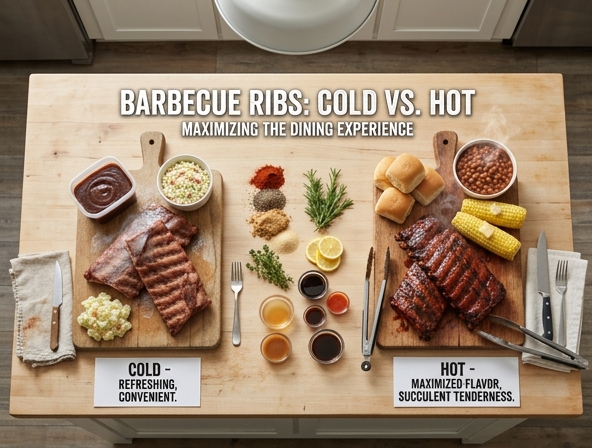
Serving Cold vs Serving Hot for Barbecue Ribs - Maximizing The Dining Experience
Optimizing Rib Temperature
Many pitmasters struggle with the temperature decline that compromises a perfectly smoked rib. While traditional recipes emphasize spice rubs and smoking times, the final serving temperature is frequently neglected. Mastering this variable grants you consistency and ensures optimal flavor profiles. Note that health regulations stipulate precise holding temperatures for safe commercial service. Top-tier competition teams often use warming cabinets to maintain their signature "bite-through" texture. This guide examines how thermal control elevates the dining experience.
| Aspect | Summary Details |
|---|---|
| Core Focus | Mastering rib serving temperature to ensure consistency and superior flavor profiles. |
| Common Pitfall | Pitmasters often obsess over rubs and smoking times while neglecting temperature decline. |
| Professional Technique | Top-tier teams utilize warming cabinets to maintain the signature "bite-through" texture. |
| Safety Standards | Commercial service must strictly adhere to health regulations regarding food holding temperatures. |
| Final Outcome | Strategic thermal control significantly elevates the overall dining experience. |
The Art of the Rib: Decoding the Debate Between Hot and Cold Service
In the world of barbecue, there are few debates as heated as the discourse surrounding sauce choice, wood selection, and-perhaps most divisively-the optimal serving temperature. While most enthusiasts would instinctively recoil at the suggestion of serving barbecue ribs cold, a closer look at the science of flavor, fat rendering, and the cultural history of the pit reveals that the "ideal" temperature is more complex than a simple binary choice.
The Case for the Heat: Why Hot Is the Gold Standard
To understand why hot ribs are the undisputed king of the barbecue world, we must look at the chemistry of the meat itself. Barbecue ribs are a masterclass in low-and-slow cooking. The objective is the breakdown of collagen-the tough connective tissue that holds the rib bones together-into luscious, silky gelatin. This transformation occurs over several hours in the presence of heat and smoke.
When ribs are served hot (ideally between 140°F and 160°F), that gelatin is in its most fluid state. This is the "mouthfeel" that pitmasters strive for. A hot rib offers a sensory experience where the fat is supple and fragrant, carrying the delicate notes of hickory, cherry, or oak smoke directly to the palate. Furthermore, heat acts as a catalyst for flavor perception. Our taste buds are physically primed to detect savory, salty, and spicy profiles more acutely when the food is warm, as the heat helps to volatilize aromatic compounds that travel from the mouth to the nasal cavity.
The Importance of Fat Rendering
Barbecue ribs are high in intramuscular fat. When kept hot, this fat is liquid gold. It coats the tongue, providing a luscious texture that complements the char and the sticky glaze of a well-executed bark. When ribs cool significantly, that fat begins to solidify. Waxy, cold animal fat is generally considered unappealing in a culinary context, as it coats the roof of the mouth with a film that masks, rather than enhances, the subtle smoke profiles of the meat.
The Hidden Merit of the Cold (or Room Temperature) Rib
While fresh-off-the-pit is the standard, we cannot ignore the cultural phenomenon of "the midnight fridge raid." Why is it that many BBQ enthusiasts secretly enjoy a leftover rib straight from the refrigerator? The answer lies in structural integrity and marination time.
When ribs cool, the meat firms up. This change in texture can be a welcome departure for those who find "fall-off-the-bone" meat to be too soft. A cold rib offers a different kind of "chew." Additionally, ribs are essentially a cured and marinated product. After sitting in the refrigerator for 24 hours, the rub and smoke profile have had time to penetrate deeper into the protein, often resulting in a more concentrated burst of flavor per bite. For a picnic or a travel-heavy meal, room temperature or chilled ribs offer a convenience that hot, steaming racks simply cannot match.
The Science of Sensory Perception
Understanding the dining experience requires acknowledging how our brains process flavor. Cold temperatures suppress sweetness and saltiness. This is why ice cream is so heavily sugared; if it were melted, it would taste cloyingly sweet. Similarly, if your barbecue sauce is overly sugary, a cold rib might taste balanced, whereas a hot rib might taste like candy. If you are serving ribs with a robust, vinegar-heavy or spicy sauce, the warmth of the meat is essential to "opening up" those flavors and allowing the acid to cut through the richness of the pork.
Best Practices for Maximizing the Experience
Whether you choose to serve your ribs hot or allow them to cool, there are specific techniques to ensure the highest quality experience:
- The Rest is Non-Negotiable: Never serve ribs immediately off the grill. Resting for 15–20 minutes allows the juices to redistribute throughout the meat, preventing the "dry rack" syndrome.
- Reheating with Humidity: If you must reheat ribs, avoid the microwave at all costs. The microwave forces moisture out of the meat, leaving you with rubbery, tough bones. Instead, wrap the ribs in foil with a splash of apple juice or water and place them in a 250°F oven until warmed through. This steam-reheating method preserves the moisture content.
- The Temp Sweet Spot: If you find yourself in the "cold rib" camp, try tempering them. Remove the ribs from the refrigerator 30 minutes before eating. Letting them come to room temperature allows the fat to soften just enough to improve mouthfeel without sacrificing the structural firmness that makes cold ribs a unique treat.
The Verdict: Context is Key
Is there a right way to serve ribs? Ultimately, the goal of barbecue is to create an experience that honors the animal and the craft of the pit. If you are hosting a formal backyard gathering, the "Hot Service" method is the only way to go-it respects the effort put into the smoke and the rendering of the fat. It provides that luxurious, decadent experience that defines great barbecue.
However, the existence of the "Cold Rib" argument reminds us that barbecue is also a rustic, forgiving, and versatile food. The deep, concentrated flavors of a chilled, well-smoked rib are a different style of enjoyment altogether-more akin to a charcuterie experience than a traditional hot meal.
To maximize your dining experience, identify your audience and your objective. If you want to showcase the tenderness and the smoke, keep the heat on. If you want a quick, flavorful snack that highlights the structural integrity of the meat, feel free to explore the chill. In the world of BBQ, the best rib is the one that brings you the most joy.
Disclaimer:
The information provided on Eateryn is for general educational and informational purposes only and is not intended as medical, nutritional, or healthcare advice. It should not be used to diagnose, treat, cure, or prevent any disease or medical condition.
Always consult a qualified physician, registered dietitian, or other certified healthcare professional before making changes to your diet, exercise routine, or lifestyle, or regarding any medical questions or concerns you may have. Never disregard or delay seeking professional medical advice because of something you have read on this website.