
Mozzarella vs Provolone for Pizza - Choosing the Perfect Cheese Pull
Mozzarella vs. Provolone: Achieving the Perfect Cheese Pull
Many home pizzaiolos struggle to replicate that iconic, pizzeria-grade cheese pull. While standard pre-shredded mozzarella is the accessible default, it often lacks the necessary fat content and structural elasticity. True mastery requires understanding cheese composition; specifically, moisture levels dictate your final texture. By blending low-moisture whole milk mozzarella with sharp, aged provolone, you balance stretch and depth. This guide explores how these specific profiles interact, helping you elevate your next bake with professional confidence.
| Category | Key Takeaways |
|---|---|
| The Problem | Home-baked pizzas often lack the professional "cheese pull" due to using low-quality, pre-shredded mozzarella. |
| Critical Factors | Success relies on cheese composition, specifically balancing moisture levels and fat content for optimal elasticity. |
| The Solution | Create a custom blend: combine low-moisture whole milk mozzarella with sharp, aged provolone. |
| Resulting Benefit | The mozzarella provides the necessary stretch, while the provolone contributes depth and flavor profile. |
The Great Cheese Debate: Mozzarella vs. Provolone for the Ultimate Pizza Experience
If you have ever stood in front of a piping-hot pizza, waiting for that first slice to be pulled away, you know that the true soul of a pizza lies not just in the crust or the sauce, but in the cheese. It is the defining moment-the "cheese pull"-that separates a mediocre pie from a culinary masterpiece. For decades, pizza enthusiasts and professional pizzaiolos have debated the merits of the two heavyweight champions of the pizza world: Mozzarella and Provolone.
While Mozzarella is undoubtedly the standard-bearer, Provolone has long been the "secret weapon" for pizzerias looking to add complexity. To choose the perfect cheese for your next homemade pie, we must look at the science of the stretch, the chemistry of the melt, and the nuance of the flavor profile.
The Reign of Low-Moisture Mozzarella
When most people think of pizza cheese, they are thinking of Low-Moisture, Part-Skim (LMPS) Mozzarella. Unlike the fresh, water-packed balls of Mozzarella di Bufala you find on a Caprese salad, LMPS Mozzarella is designed specifically for high-heat baking. Its lower water content prevents the pizza from becoming a soupy mess, allowing for a consistent, golden-brown melt.
Why Mozzarella wins:
- Structural Integrity: It has excellent elasticity. When melted, the proteins form long, sturdy strands that provide that iconic, photogenic cheese pull.
- Mild Flavor: Its subtle, milky profile acts as a canvas, allowing the sweetness of the tomato sauce and the char of the crust to shine through without competition.
- Browning: It blisters beautifully, creating those brown, nutty spots that look as good as they taste.
The Piquant Appeal of Provolone
Provolone is, in essence, a distant cousin to Mozzarella. Both are "pasta filata" (spun paste) cheeses, meaning the curd is stretched and kneaded while hot. However, the path of Provolone diverges through the aging process. While Mozzarella is consumed fresh, Provolone is hung to cure. During this time, the cheese develops a sharper, more pungent, and slightly salty flavor profile.
Why Provolone brings the heat:
- Flavor Depth: Provolone contains more oil and has a much more robust, savory kick. It adds a "gourmet" quality that can elevate a simple pepperoni pizza.
- Textural Density: Because it is an aged cheese, it melts differently. It tends to be creamier and less "stringy" than Mozzarella, which creates a rich mouthfeel that coats the palate.
- Fat Content: The higher oil content contributes to that shimmering, glossy look on a pizza that screams "decadent."
The Battle of the Stretch: Chemistry at Work
The "cheese pull" is a physical reaction involving the protein casein. In Mozzarella, the casein fibers are aligned in a specific way that allows them to stretch significantly before breaking. Provolone, while also a stretched-curd cheese, has a slightly different protein structure due to the aging process and the use of different cultures. When you pull a slice of pure Provolone, the cheese is more likely to break or "snap" than to create that long, elastic bridge. However, the trade-off is a much more intense sensory experience for the taste buds.
The Industry Secret: The Perfect Blend
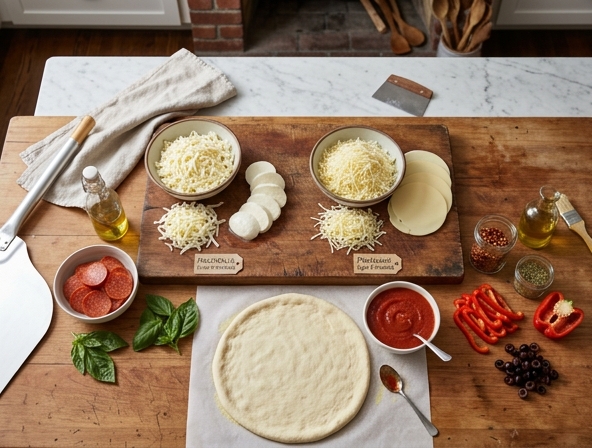
If you ask a world-class pizzaiolo which cheese is best, the answer is rarely "either/or." It is almost always a blend. Many of the most iconic New York-style pizzerias use a secret ratio-typically 80% Low-Moisture Mozzarella and 20% Provolone.
By blending the two, you capture the best of both worlds:
- The Structural Foundation: The Mozzarella provides the necessary elasticity for the cheese pull and prevents the cheese from sliding off the slice.
- The Flavor Enhancement: The Provolone acts as a seasoning. That 20% inclusion provides a sharp, savory depth that keeps the pizza from tasting one-dimensional or overly "mild."
Choosing Based on Your Pizza Style
Your choice should also depend on the type of pizza you are crafting:
- Neapolitan Style: Stick to high-quality fresh Mozzarella or Fior di Latte. The goal here is simplicity and creaminess, as these pizzas cook in seconds at blistering temperatures.
- New York Style: The classic 80/20 blend is your best friend. You want that sturdy pull paired with a lingering savory flavor that stands up to a hearty, folded crust.
- Deep Dish/Pan Pizza: Lean heavier toward Provolone or even Muenster. Because these pizzas take longer to bake, a cheese with a higher fat content and slower melt rate will keep the cheese from drying out or becoming rubbery before the thick crust is fully cooked.
Final Verdict
Mozzarella is the workhorse of the pizza industry-reliable, classic, and essential for the visual satisfaction of a perfect cheese pull. Provolone, however, is the secret weapon for those who prioritize flavor intensity and a richer, creamier mouthfeel.
If you are a purist, stick with Mozzarella. If you want to impress your guests and elevate your home-baking game, start experimenting with a blend. Adding just a small percentage of aged Provolone to your Mozzarella base will transform your pizza from "homemade" to "pizzeria quality" in a single bite. After all, the best pizza isn't just about how it looks when you pull the slice away-it's about the lingering satisfaction that keeps you reaching for the next piece.
Disclaimer:
The information provided on Eateryn is for general educational and informational purposes only and is not intended as medical, nutritional, or healthcare advice. It should not be used to diagnose, treat, cure, or prevent any disease or medical condition.
Always consult a qualified physician, registered dietitian, or other certified healthcare professional before making changes to your diet, exercise routine, or lifestyle, or regarding any medical questions or concerns you may have. Never disregard or delay seeking professional medical advice because of something you have read on this website.