
Mini vs Large for Bagel - Picking the correct serving size
Mini vs. Large Bagels: Selecting Your Optimal Serving Size
Choosing between bagel sizes often feels like a guessing game, as standard nutritional guidelines rarely account for individual metabolic needs. Selecting the right portion maximizes caloric efficiency and satiety. It is essential to note that mini bagels are often formulated differently than their larger counterparts, impacting glycemic load. Whether fueling a high-performance athlete or managing daily intake, portion precision is paramount. The following analysis evaluates optimal sizing based on your specific lifestyle and health objectives.
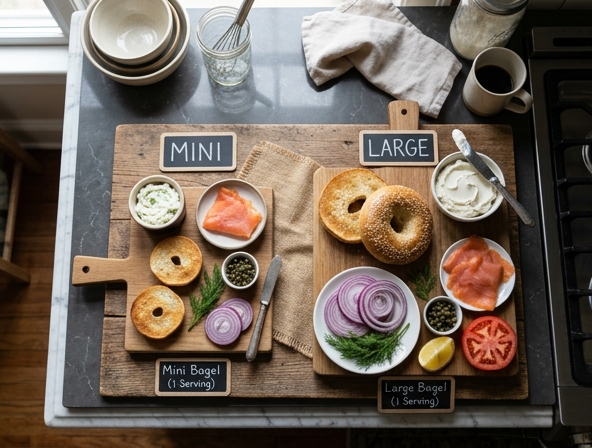
| Category | Key Takeaways |
|---|---|
| Core Objective | Maximize caloric efficiency and satiety by choosing the appropriate portion size. |
| Nutritional Profile | Mini bagels often feature different formulations than large bagels, which directly impacts glycemic load. |
| Lifestyle Application | Selection should be tailored to specific needs, such as high-performance fueling vs. general daily intake management. |
| Decision Factor | One-size-fits-all guidelines are insufficient; base your choice on individual metabolic needs and health goals. |
Mini vs. Large: Choosing the Right Bagel for Your Lifestyle
The bagel is a cornerstone of breakfast culture-a chewy, satisfying, and infinitely customizable canvas for everything from simple cream cheese to sophisticated lox and capers. However, for the health-conscious consumer or the home meal planner, the "bagel aisle" presents a significant dilemma: the classic, bakery-style large bagel versus the dainty, pint-sized mini bagel. Choosing the right serving size isn't just about appetite; it's about aligning your caloric intake with your energy needs and your culinary goals.
The Evolution of the Bagel
To understand the serving size debate, we must look at how the bagel has changed. Decades ago, a standard bagel was significantly smaller, often weighing in at 2 to 3 ounces. Today, the "bakery-style" or "large" bagel has grown exponentially, often reaching 4 to 6 ounces. This size inflation has shifted our perception of what constitutes a "single serving." When we talk about "large" versus "mini," we are often comparing a modern indulgence to a traditional portion, and the implications for your nutrition are substantial.
The Anatomy of the Large Bagel
The large bagel is the quintessential breakfast powerhouse. Dense, substantial, and incredibly satisfying, it is designed to be a standalone meal. A typical large plain bagel can pack anywhere from 300 to 450 calories, excluding the toppings.
- Satiety: The sheer volume of complex carbohydrates provides sustained energy, making it an excellent choice for those with physically demanding mornings or long commutes.
- Versatility: Because of its surface area, it can support heavy toppings-think thick layers of avocado, smoked salmon, or multiple slices of deli meat-turning it into a functional sandwich.
- The "Meal" Factor: If you are looking for a meal replacement, the large bagel is the clear winner. It's hard to feel "hungry" an hour after consuming a loaded large bagel.
The Rise of the Mini Bagel
Mini bagels have moved beyond the "snack for children" category. They are increasingly popular for adults who want the experience of a bagel without the caloric commitment of a massive loaf of bread. A standard mini bagel typically ranges from 100 to 150 calories.
- Caloric Control: The smaller size naturally enforces portion control. It is much easier to fit a 120-calorie mini bagel into a strict daily macro budget than a 400-calorie giant.
- The "Side Dish" Mentality: Mini bagels function brilliantly as a side to a protein-heavy breakfast, such as scrambled eggs or Greek yogurt. They provide the "crunch and chew" without overpowering the plate.
- Snacking Potential: Because they are bite-sized, they are superior for afternoon snacks or appetizer platters, allowing for flavor variety (e.g., having one cinnamon raisin and one everything mini).
Nutritional Comparison: Crunching the Numbers
When analyzing the nutritional trade-offs, the difference is stark. A large bagel is essentially a dense slab of carbohydrates. While this is great for glycogen replenishment after a workout, it can be a source of blood sugar spikes if consumed by someone with a sedentary lifestyle. The mini bagel offers a more measured delivery of energy.
Consider the "Topping Ratio." When you use a large bagel, you are often tempted to use 2–3 tablespoons of cream cheese to avoid a dry bite. When you use a mini bagel, you naturally use less, effectively lowering the overall fat and calorie count of the meal by a significant margin. If you are watching your saturated fat intake, the mini bagel is your best ally in keeping the cream cheese in check.
Which One Should You Choose?
Picking the correct serving size depends on three key lifestyle factors:
1. Activity Level
Are you a morning runner or a heavy lifter? Your body needs glycogen. The large bagel is a functional fuel source for high-activity individuals. If your morning involves sitting at a desk, the mini bagel provides the satisfaction of the bagel experience without the excess "fuel" that will likely be stored as energy rather than used.
2. Meal Context
Are you eating the bagel *as* the meal, or *with* the meal? If the bagel is the center of the plate, go large. If you are serving it alongside a plate of vegetables, eggs, or fruit, the mini bagel is perfectly proportional and prevents you from overeating carbohydrates.
3. Dietary Goals
If you are in a weight-loss phase, the psychological impact of finishing a "whole bagel" is powerful. There is a sense of completion that comes with eating an entire bagel. By choosing a mini bagel, you get the satisfaction of "finishing the whole thing" while keeping your calorie count under control.
The Middle Ground: The Half-Bagel Strategy
If you find that mini bagels are too small but large bagels are too caloric, there is the tried-and-true "half-bagel" hack. Many health professionals recommend eating half of a large bagel and pairing it with a high-protein side. This allows you to enjoy the high-quality bakery bagel you love while effectively halving the calorie and carb density. However, this requires a level of willpower that isn't always present on a sleepy Tuesday morning, making the pre-portioned mini bagel a more convenient "set it and forget it" choice for many.
Conclusion: Quality Over Quantity
Ultimately, the bagel debate shouldn't be about deprivation. Whether you choose a mini or a large bagel, prioritize the quality of the bread-look for high-fiber, whole-grain options with minimal added sugars. If you crave the experience of a traditional, chewy, NY-style bagel, don't shy away from the large size, but perhaps treat it as the main event of your day. If you want a flexible, daily breakfast option that plays nicely with other food groups, the mini bagel is a versatile tool in your culinary arsenal. By matching your bagel size to your daily activity and hunger cues, you can enjoy this classic breakfast staple without the post-meal guilt.
Disclaimer:
The information provided on Eateryn is for general educational and informational purposes only and is not intended as medical, nutritional, or healthcare advice. It should not be used to diagnose, treat, cure, or prevent any disease or medical condition.
Always consult a qualified physician, registered dietitian, or other certified healthcare professional before making changes to your diet, exercise routine, or lifestyle, or regarding any medical questions or concerns you may have. Never disregard or delay seeking professional medical advice because of something you have read on this website.