
Mayonnaise vs Mustard for Hot Dog - Surprising Flavor Pairings
Elevating Your Hot Dog Experience
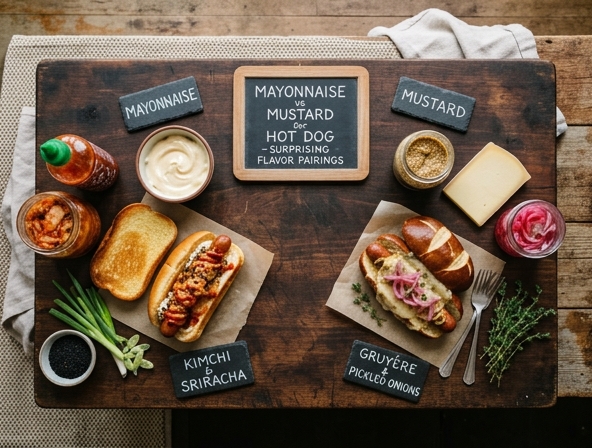
Navigating the complex landscape of hot dog toppings often proves daunting. While many consumers default to ubiquitous ketchup or traditional yellow mustard, true culinary potential lies elsewhere. Understanding the interplay between fat and acidity is essential; however, the quality of your base ingredients remains paramount for success. Consider the richness of Kewpie mayonnaise paired with sriracha or the robust profile of stone-ground mustard. This guide explores these sophisticated pairings to help refine your gourmet selections.
| Topic | Summary Details |
|---|---|
| Core Objective | Moving beyond traditional ketchup and mustard to enhance hot dog gourmet quality. |
| Key Principles | Focuses on the balance between fat and acidity, emphasizing the importance of ingredient quality. |
| Recommended Pairings | Suggests using Kewpie mayonnaise combined with sriracha or high-quality stone-ground mustard. |
| Conclusion | Strategic topping selection can transform a standard hot dog into a sophisticated culinary experience. |
Mayonnaise vs. Mustard for Hot Dog: The Culinary Clash of Champions
The humble hot dog is more than just a quick street-side snack; it is a blank canvas for culinary expression. While the eternal debate often pits ketchup against mustard, a far more sophisticated and nuanced battle has been brewing in the kitchens of street food vendors and gourmet chefs alike: the clash between mayonnaise and mustard. Both offer distinct scientific advantages in flavor and texture, and understanding how they interact with the savory, fatty profile of a hot dog can transform your next backyard barbecue from a simple meal into an elevated dining experience.
The Case for Mustard: The Acidic Counterpoint
Mustard is the traditionalist's choice for a reason. Its fundamental power lies in its acidity and pungency. A hot dog, by its very nature, is a dense package of fat, salt, and protein. Whether it's a beef frank, a pork-based bratwurst, or a smoked sausage, the mouthfeel is inherently heavy. Mustard, with its vinegary base, acts as a palate cleanser. Every bite of a mustard-dressed dog is cut by that sharp, acetic tang, which prevents the richness of the meat from becoming cloying.
Consider the spectrum of mustards available. Classic yellow mustard offers a bright, mild, and vinegary hit that defines the quintessential ballpark experience. Moving toward Dijon or stone-ground variations introduces a more complex profile-the earthy spice of mustard seeds combined with the depth of white wine or herbs. This complexity adds a layer of sophistication, turning the hot dog into a dish that demands more than just a quick chew; it requires an appreciation of the interplay between spice and smoke.
The Mayonnaise Manifesto: Texture and Emulsion
While mustard is the scalpel of the hot dog world-precision-cutting through fat-mayonnaise is the velvet blanket. Often dismissed by purists in regions like Chicago or New York, mayonnaise is the unsung hero of hot dog culture in many parts of the world, most notably in Latin America and Japan.
Mayonnaise is an emulsion of oil and egg yolk, which contributes a luxurious, creamy mouthfeel. When applied to a hot dog, it does not act as a cutter; rather, it acts as a bridge. It binds the disparate elements of the hot dog-the dry bun, the crispy skin of the casing, and the savory meat-into a cohesive, velvety whole. The fat in the mayonnaise also enhances the solubility of the flavor compounds in the meat, making the hot dog taste, quite literally, "meatier."
Regional Perspectives: Where the World Stands
To understand the depth of this debate, one must look at global hot dog culture. In the United States, particularly the Midwest, mustard is king. It is a non-negotiable component of a classic "Chicago-style" dog, where it provides the necessary acidity to balance out the neon-green relish and fresh tomato. However, travel to Colombia or Chile, and you will find "perros calientes" drenched in generous swirls of mayonnaise, often topped with potato sticks or pineapple sauce. Here, the mayonnaise provides the base, turning the hot dog into a indulgent, street-food masterpiece.
The Surprising Science of Flavor Pairings
Why choose one when you can master the synergy of both? The most surprising discoveries in modern cooking often happen at the intersection of conflicting profiles. Mixing mustard and mayonnaise creates a "creamy acid" profile that is greater than the sum of its parts. By blending a high-quality Dijon mustard with a rich, egg-heavy mayonnaise, you create a condiment that delivers the best of both worlds: the sharp, vinegary punch required to cut through the fat, and the creamy, luxurious mouthfeel that enhances the structural integrity of the bite.
Elevated Topping Combinations to Try:
- The "Bistro" Dog: A blend of grainy mustard and aioli (garlic-infused mayonnaise) topped with caramelized onions. The heat of the mustard, the creaminess of the aioli, and the sweetness of the onions create a deep, savory experience.
- The "Spicy Fusion" Dog: Sriracha-mayonnaise paired with a bright yellow mustard. The chili heat is tempered by the mayo, while the mustard keeps the finish clean and sharp.
- The "Herb Garden" Dog: Mayonnaise whipped with fresh chives, dill, and parsley, set against a base of English mustard. The herbs cut the richness of the mayo, while the heat of the English mustard provides a slow, warming finish.
How to Choose Your Condiment
Ultimately, the choice between mayonnaise and mustard comes down to the style of the sausage. If you are serving a high-fat, smoky sausage like a kielbasa or a bratwurst, mustard is almost always the superior choice to provide balance. If you are serving a lean, skinless hot dog on a soft, brioche-style bun, the creamy nature of mayonnaise can help add moisture and richness that might otherwise be missing.
Furthermore, consider your secondary toppings. If your hot dog is already loaded with crunchy, acidic elements like sauerkraut, pickles, or raw onions, the creaminess of mayonnaise serves as a wonderful contrast. If your hot dog is topped with richer, softer elements like chili, cheese, or sautéed peppers, the sharp acidity of a bold mustard is exactly what you need to keep the palate alert.
The Final Verdict
The "Mayonnaise vs. Mustard" debate is less a contest and more a lesson in culinary architecture. Mustard provides the "high notes"-the acidity and spice that wake up the tongue. Mayonnaise provides the "base notes"-the richness and texture that provide comfort and depth. Whether you are a traditionalist or an experimentalist, there is no denying that both have a rightful place at the table.
Don't be afraid to break the rules. The next time you find yourself at the grill, push past the standard red-and-yellow bottles. Mix, match, and explore. By balancing the acidity of a sharp mustard with the decadent creaminess of a well-made mayo, you can elevate the humble hot dog into a culinary experience that is truly greater than the sum of its parts. Your hot dog is waiting; it's time to dress it with intention.
Disclaimer:
The information provided on Eateryn is for general educational and informational purposes only and is not intended as medical, nutritional, or healthcare advice. It should not be used to diagnose, treat, cure, or prevent any disease or medical condition.
Always consult a qualified physician, registered dietitian, or other certified healthcare professional before making changes to your diet, exercise routine, or lifestyle, or regarding any medical questions or concerns you may have. Never disregard or delay seeking professional medical advice because of something you have read on this website.