
Mayo vs No Mayo for Philly Cheesesteak - Evaluating The Creamy Spread Debate
Mayo vs. No Mayo: The Cheesesteak Debate
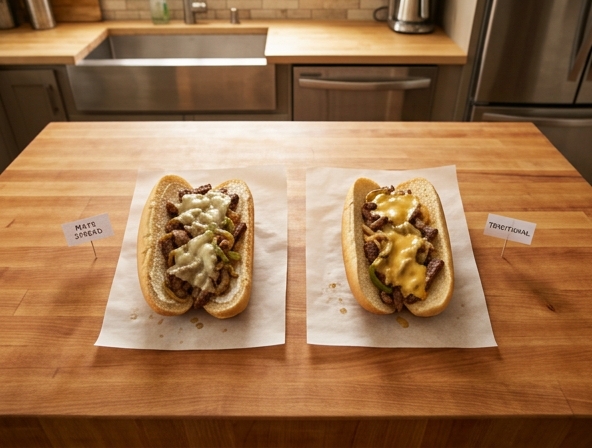
Navigating the polarizing debate over mayonnaise on a Philly cheesesteak often leaves enthusiasts at a crossroads. While traditionalists prioritize Cheez Whiz or sharp provolone as the standard foundation, the condiment choice remains contentious. Incorporating mayo grants a velvety richness that elevates the savory ribeye profile. Note: authenticity expectations vary significantly by regional preference; for instance, many iconic shops leave this to patron discretion. This analysis evaluates both profiles to help you refine your sandwich construction.
| Perspective | Key Components | Impact on Experience |
|---|---|---|
| Traditionalist (No Mayo) | Cheez Whiz or Sharp Provolone | Prioritizes historical authenticity and the classic flavor profile of the sandwich. |
| Modern/Alternative (With Mayo) | Mayonnaise | Adds a velvety texture and a richness that complements the savory ribeye steak. |
| Cultural Context | Patron Discretion | Most iconic establishments leave the decision to the customer to bridge the gap between preferences. |
The Great Philadelphia Divide: The Mayo vs. No-Mayo Cheesesteak Debate
In the world of American regional cuisine, few sandwiches hold as much cultural weight-or ignite as much fierce debate-as the Philadelphia Cheesesteak. It is a trinity of simplicity: thinly sliced ribeye, melted cheese, and a crusty roll, all colliding on a hot flat-top grill. Yet, beneath the sizzle of the steak and the velvet pull of the cheese, a quiet, polarized battle has raged for decades: To mayo, or not to mayo?
For the uninitiated, it might seem like a trivial culinary preference. But in Philadelphia, a sandwich isn't just lunch; it's an identity. To ask for mayonnaise on a cheesesteak is, to some, an act of sacrilege, while to others, it is the secret ingredient that elevates the sandwich from a greasy snack to a gourmet experience.
The Purist's Manifesto: Why Mayo is a Non-Starter
To understand the "No-Mayo" contingent, you must first understand the philosophy of the traditional cheesesteak. The purist's argument is rooted in the preservation of flavor integrity. In the eyes of the traditionalists, the steak-seasoned simply with salt and, occasionally, a bit of black pepper-should be the star. The cheese, whether it be the iconic neon-orange Cheez Whiz or the sharper, more sophisticated white American or Provolone, provides the necessary fat and salinity to cut through the richness of the beef.
Purists argue that adding mayonnaise introduces an unnecessary layer of acidity and egg-based emulsion that muddies the flavor profile. They believe that if the meat is cooked properly-"fluffed" to perfection on the griddle-and the roll is high-quality (preferably an authentic, airy-yet-sturdy Amoroso's roll), then the sandwich needs nothing more. For them, mayo is a distraction, a "filler" that belongs on a deli ham sandwich, not on the holy relic of Philadelphia street food.
The Case for Creaminess: Why the Mayo Camp Won't Budge
Conversely, those who advocate for mayo on their cheesesteak argue from the perspective of texture and palate-balancing. A cheesesteak can be an intensely dry and heavy affair. Even with the cheese, the combination of toasted bread and seared beef can sometimes feel parched in the mouth.
Mayo, with its smooth, velvety texture, acts as a bridge. When it hits the warm roll, it begins to soften, creating a secondary "sauce" that marries the toasted interior of the bread to the meat. The slight tang of a quality mayonnaise cuts through the heavy, savory animal fats, providing a bright counterpoint that cleanses the palate with every bite. It is not about masking the steak; it is about lubricating the experience. For the mayo-lover, a cheesesteak without a swipe of Duke's or Hellmann's is simply incomplete-a dry, monochromatic bite that misses the opportunity for a more complex, creamy finish.
The Science of the Sizzle
From a culinary science standpoint, both sides have merit. The cheesesteak is a study in fat. You have the intramuscular fat of the ribeye, the processed dairy fat of the cheese, and the carbohydrate structure of the bread. Adding mayonnaise adds yet another layer of fat, specifically emulsified vegetable oil.
When the sandwich is constructed, the moisture content is key. A "good" cheesesteak must be juicy. Proponents of mayo argue that it prevents the bread from absorbing the meat juices too quickly, effectively keeping the sandwich structurally sound for those final, messy bites. It turns the bottom of the roll into a flavor sponge that captures the dripping fat of the steak, essentially creating a "meat-infused aioli" at the base of the sandwich.
The "Secret" Reality of Philly Shops
Interestingly, if you walk into the most famous shops in Philadelphia, you will find that the "No-Mayo" stance is often more of a public front than a strict rule. Many line cooks and counter staff will tell you, off the record, that mayo is a frequently requested modification, especially among locals who have "customized" their order over the years.
In the modern era of the "cheesesteak evolution," we are seeing the rise of the gourmet cheesesteak. Shops that incorporate garlic aioli, spicy sriracha mayo, or truffle mayo are essentially validating the existence of the condiment on this specific sandwich. These chefs recognize that the cheesesteak, as a vessel, is perfectly designed to carry a spread. If a garlic aioli can make a burger better, why would it not do the same for finely chopped ribeye?
Navigating the Social Etiquette
If you are a visitor in Philadelphia, the debate is best navigated with a sense of adventure rather than an insistence on tradition. If you are going to a landmark institution for your first time, the "When in Rome" approach is recommended: get it with Cheez Whiz, fried onions, and no mayo. Experience the baseline. It is a historical standard for a reason.
However, if you find yourself at a local neighborhood joint or a modern sandwich shop, don't be afraid to ask for a "light smear." The worst that happens is you find out you prefer the original. The best that happens is you discover a version of the sandwich that suits your palate perfectly.
Conclusion: The Personal Freedom of the Sandwich
Ultimately, the cheesesteak is a working-class food-it was never meant to be a dish dictated by high-brow rules or strict gastronomic dogma. It was born out of convenience, availability, and a love for bold, savory flavors. Whether you stand in the corner of the purists, defending the sanctity of the meat and cheese, or you are a champion of the creamy spread, the debate itself is part of what makes the cheesesteak so enduring.
So, should you put mayo on your Philly cheesesteak? There is only one way to decide: order two, compare them side-by-side, and embrace the chaos. In a city that treats its sandwiches with such gravity, the freedom to choose your own condiments is, perhaps, the most American thing about the entire experience.
Disclaimer:
The information provided on Eateryn is for general educational and informational purposes only and is not intended as medical, nutritional, or healthcare advice. It should not be used to diagnose, treat, cure, or prevent any disease or medical condition.
Always consult a qualified physician, registered dietitian, or other certified healthcare professional before making changes to your diet, exercise routine, or lifestyle, or regarding any medical questions or concerns you may have. Never disregard or delay seeking professional medical advice because of something you have read on this website.