
Ketchup vs Barbecue Sauce For Meatloaf - Selecting The Ideal Flavor Glaze
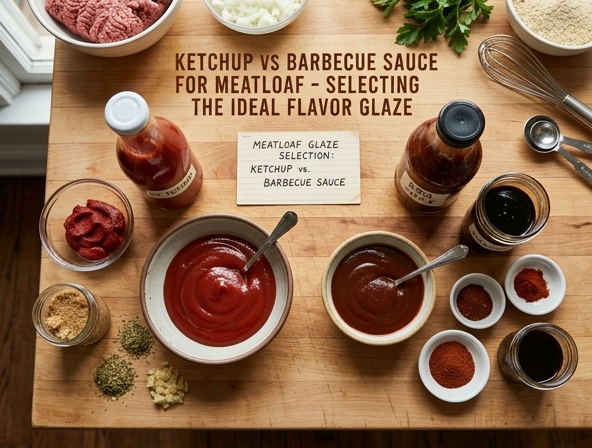
| Comparison Point | Ketchup | Barbecue Sauce |
|---|---|---|
| Flavor Profile | Sharp, acidic, and nostalgic. | Complex, smoky, and hickory-forward. |
| Best Used For | Traditional, bright-tasting meatloaf. | Adding depth and savory richness. |
| Decision Factor | The ideal choice depends entirely on your preferred balance of sweetness versus acidity. | |
The Meatloaf Glaze: A Culinary Crossroads
When it comes to the quintessential comfort food, meatloaf holds a place of honor at the dinner table. Yet, for all its structural simplicity-a blend of ground meat, binders, and aromatics-the true personality of a meatloaf is often defined by what sits atop it: the glaze. Choosing between ketchup and barbecue sauce isn't merely a matter of convenience; it is a fundamental decision that dictates the final flavor profile, the texture of the crust, and the overall dining experience.
The Case for Ketchup: The Traditionalist's Gold Standard
For many, the association between meatloaf and ketchup is unbreakable. It is the classic, nostalgic choice that brings a bright, vinegary acidity to the plate. Because meatloaf is inherently rich and fatty-often relying on a blend of beef, pork, or veal-the sharp tang of a quality ketchup acts as a necessary palate cleanser.
The beauty of using ketchup as a base lies in its blank-canvas nature. Most home cooks rarely use plain ketchup straight from the bottle; instead, they treat it as a foundational ingredient. By whisking in brown sugar, a splash of Worcestershire sauce, or a pinch of dry mustard, you can elevate a store-bought condiment into a sophisticated, sticky, and vibrant lacquer. The high sugar content in most ketchups also ensures a beautiful, caramelized sheen under the broiler, providing that sought-after sticky exterior that contrasts perfectly with the moist, tender crumb of the meatloaf interior.
The Case for Barbecue Sauce: The Bold Innovator
Moving toward barbecue sauce is an invitation to complexity. Unlike the singular, tomato-forward note of ketchup, barbecue sauce brings a layered symphony of flavors to the meat. Depending on the variety you choose-be it a Kansas City-style molasses base, a vinegar-forward Carolina sauce, or a smoky Texas-style blend-you are essentially pre-seasoning your dish with a ready-made flavor profile.
Barbecue sauce adds depth. The presence of smoke flavoring (either natural or liquid), molasses, garlic powder, onion powder, and sometimes chili flakes can turn a standard dinner into a savory, deep-flavored experience. If your meatloaf recipe leans into earthy herbs like thyme or rosemary, a hickory-smoked barbecue sauce can bridge the gap between "meat-and-potatoes dinner" and "gourmet comfort food." However, one must be cautious: the intensity of barbecue sauce can sometimes overpower more delicate flavor profiles within the loaf, so it works best when the meat mixture itself is bold and hearty.
Factors to Consider: Chemistry and Caramelization
When selecting your glaze, you must consider the physics of the oven. Both ketchup and barbecue sauce are high in sugars, which makes them prone to burning if left in the heat for too long. If you apply your glaze at the very beginning of the cooking process, the sugars will inevitably scorch, turning bitter and dark before the center of the meatloaf has reached a safe internal temperature.
The Pro-Tip for Glazing: Always wait until the final 15 to 20 minutes of baking to apply your glaze. This allows the sauce to bubble, thicken, and adhere to the surface without turning into a carbonized crust. If you are using a very sweet barbecue sauce, consider thinning it slightly with a tablespoon of apple cider vinegar or beef stock to prevent an overly syrupy finish.
Finding the Middle Ground: The Hybrid Approach
If you find yourself torn between the two, you aren't alone. Many of the most celebrated meatloaf recipes utilize a hybrid approach. Combining equal parts ketchup and your favorite barbecue sauce creates a "best of both worlds" scenario. You get the familiar, bright acidity of the ketchup alongside the smoky, complex base of the barbecue sauce. Adding a dash of soy sauce or a spoonful of Dijon mustard to this blend can introduce an umami kick that rounds out the sweetness, creating a glaze that is balanced, shiny, and impossible to resist.
Selecting Based on Your Side Dishes
The glaze should also harmonize with your sides. If you are serving your meatloaf with roasted vegetables or a garlic-heavy mashed potato, a ketchup-based glaze provides a lighter, brighter acidic contrast. If your meal leans toward the rustic-perhaps accompanied by baked beans, coleslaw, or cornbread-the deep, smoky profiles of a barbecue-based glaze will feel more cohesive with the plate as a whole.
Final Verdict
There is no "wrong" choice, only the choice that best suits your palate. The decision between ketchup and barbecue sauce essentially boils down to whether you want to preserve the clean, traditional flavor of the meat (Ketchup) or embrace a bolder, more adventurous profile (Barbecue). Experimentation is the key to mastering your signature meatloaf. Start with the classics, refine them with your own secret ingredients, and remember: the best glaze is the one that makes you reach for a second slice.
Whether you choose the bright, nostalgic punch of ketchup or the complex, smoky allure of barbecue sauce, the glaze is ultimately the finishing stroke on your culinary canvas. Don't be afraid to experiment, blend, and adjust until you find the perfect balance that makes your kitchen the heart of the home.
Disclaimer:
The information provided on Eateryn is for general educational and informational purposes only and is not intended as medical, nutritional, or healthcare advice. It should not be used to diagnose, treat, cure, or prevent any disease or medical condition.
Always consult a qualified physician, registered dietitian, or other certified healthcare professional before making changes to your diet, exercise routine, or lifestyle, or regarding any medical questions or concerns you may have. Never disregard or delay seeking professional medical advice because of something you have read on this website.