
Hot Sauce vs Mustard for Philly Cheesesteak - Choosing The Ultimate Tangy Kick
Hot Sauce vs. Mustard for Philly Cheesesteak: Choosing The Ultimate Tangy Kick
Finding the perfect Philly Cheesesteak condiment is a polarizing dilemma for culinary enthusiasts. While traditionalists often insist on a minimalist approach or standard ketchup, many diners crave a deeper flavor profile. Integrating a tangy element effectively elevates the savory richness of steak and melted provolone. Balancing the sharp heat of hot sauce against the bright acidity of yellow mustard is key. This analysis evaluates both options to help you determine the ultimate pairing for your sandwich.
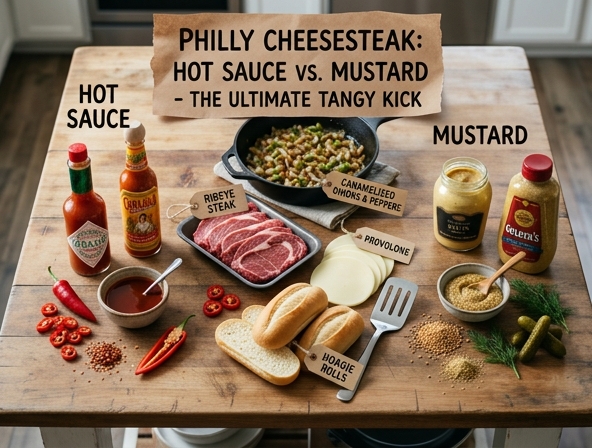
| Feature | Hot Sauce | Mustard |
|---|---|---|
| Flavor Profile | Sharp, piquant heat | Bright, tangy acidity |
| Culinary Goal | Adds spice and intensity | Cuts through savory richness |
| Pairing Benefit | Complements the steak's boldness | Balances the melted provolone |
| Verdict | Best for those seeking a spicy kick | Best for those seeking a classic tangy finish |
Hot Sauce vs. Mustard for Philly Cheesesteak: Choosing the Ultimate Tangy Kick
The Philly cheesesteak is more than just a sandwich; it is a culinary institution. With its foundation of thinly sliced, seared ribeye, a generous mantle of melted cheese, and the soft yet sturdy embrace of an Amoroso roll, it is a masterpiece of fatty, savory indulgence. However, even the most perfect cheesesteak can occasionally feel monolithic in its richness. This is where the debate begins: what is the superior conduit for that necessary, acidic "kick" that cuts through the grease?
While purists might argue that the meat and cheese are enough, the addition of a sharp condiment can elevate the flavor profile from "heavy comfort food" to a nuanced, layered experience. Today, we delve into the age-old culinary rivalry: Hot Sauce vs. Mustard.
The Case for Hot Sauce: Complexity and Heat
For those who favor hot sauce, the Philly cheesesteak isn't just about sustenance; it's about an experience that excites the palate. The brilliance of hot sauce on a cheesesteak lies in the chemistry of vinegar. Most Louisiana-style hot sauces-the gold standard for this pairing-are built on a base of aged peppers and distilled vinegar. When this acidity hits the high-fat content of melted Cheese Whiz or Provolone, it acts as a palate cleanser.
Hot sauce brings three distinct advantages to the table:
- Acidic Cutting Power: The vinegar mimics the function of a pickle, breaking down the heavy mouthfeel of the beef fat and allowing you to taste the individual savory notes of the seared steak more clearly.
- Flavor Amplification: The capsaicin in hot sauce doesn't just add "heat"; it heightens the sensory perception of the other ingredients, making the steak taste "beefier" and the cheese taste richer.
- Variable Profiles: Unlike mustard, which is relatively one-dimensional, hot sauce offers a spectrum of flavors. A vinegar-heavy cayenne sauce provides a sharp, bright bite, while a habanero-based sauce adds a floral fruitiness that plays beautifully against the char of the griddle-cooked meat.
The Case for Mustard: Zest and Tradition
Mustard is the unsung hero of the deli world, and for many, it is the only logical choice for a cheesesteak. There is a deeply rooted history of pairing beef with mustard-a tradition dating back centuries. Mustard possesses a unique chemical compound-allyl isothiocyanate-that provides a "pungent" heat, a sensation that travels through the nasal passages rather than just sitting on the tongue. This creates an immediate, clearing effect that perfectly counters the heavy, coating nature of processed cheese.
Why choose mustard over the alternatives?
- Textural Harmony: The creamy, emulsified texture of mustard blends seamlessly into the meat, coating the fibers of the steak in a way that thin hot sauce cannot.
- Earthiness: Mustard has an inherent earthiness that aligns with the umami profile of the ribeye. It doesn't distract from the meat; it deepens it.
- The "Classic" Factor: If you are looking for a quintessential Philly experience, yellow mustard is the classic pairing. It provides a sharp, salty, and slightly acidic brightness that feels nostalgic and familiar. For those seeking an upgrade, a stone-ground or spicy brown mustard offers a more complex, grainy bite that stands up better to the intensity of sharp provolone.
The "Cheese" Variable: Matching Your Condiment
The ultimate choice between hot sauce and mustard often comes down to the cheese you've chosen. A cheesesteak is a living document, and the foundation matters.
If you're team Cheese Whiz:
Cheese Whiz is a salty, creamy, emulsified product that coats the tongue heavily. It lacks the sharp, cultured acidity of a slice of aged cheese. Consequently, Hot Sauce is almost always the winner here. The sharpness of the vinegar slices right through the "Whiz," creating a balance that feels intentional and bright. Mustard with Cheese Whiz can sometimes create a disjointed, "confused" flavor profile.
If you're team Sharp Provolone:
Provolone is drier, sharper, and more complex. It has its own subtle tang. Mustard, specifically a spicy brown or Dijon, pairs magnificently with provolone. The graininess of the mustard highlights the dry, aged nature of the cheese, while the heat of the mustard complements the saltiness of the beef without overwhelming it.
The Purist's Perspective
It is worth acknowledging the purists who insist that a cheesesteak is "done" as soon as it leaves the griddle. They argue that high-quality meat and the correct cheese-to-steak ratio require no interference. However, in the realm of street food, the cheesesteak is meant to be customized. Adding a condiment isn't an insult to the chef-it's an expression of the eater's personality. If you prefer your food to have a punch, you are not failing the sandwich; you are refining it to your specific sensory preferences.
Expert Verdict: Why Not Both?
If you find yourself paralyzed by the choice, perhaps the answer isn't "one or the other," but a strategic application of both. A light drizzle of a mild, vinegary hot sauce combined with a thin swipe of stone-ground mustard on the bottom of the roll creates a complex flavor base that addresses every aspect of the palate: salt, acid, fat, and heat.
Ultimately, the "Ultimate Tangy Kick" is subjective. If you crave a bright, explosive acidity that cuts through the grease, reach for the bottle of hot sauce. If you prefer an earthy, pungent zest that enhances the savory depth of the beef, opt for mustard. The beauty of the Philly cheesesteak is that it can handle both-it's a sturdy, forgiving canvas that rewards experimentation.
So, the next time you find yourself at the counter or standing over your own home-griddle, don't shy away from the condiments. Grab the mustard, grab the hot sauce, and find your own perfect ratio. After all, the best cheesesteak is the one that tastes exactly the way you want it to.
Disclaimer:
The information provided on Eateryn is for general educational and informational purposes only and is not intended as medical, nutritional, or healthcare advice. It should not be used to diagnose, treat, cure, or prevent any disease or medical condition.
Always consult a qualified physician, registered dietitian, or other certified healthcare professional before making changes to your diet, exercise routine, or lifestyle, or regarding any medical questions or concerns you may have. Never disregard or delay seeking professional medical advice because of something you have read on this website.