
Gruyere vs Fontina for Macaroni and Cheese - Creating The Perfect Gourmet Blend
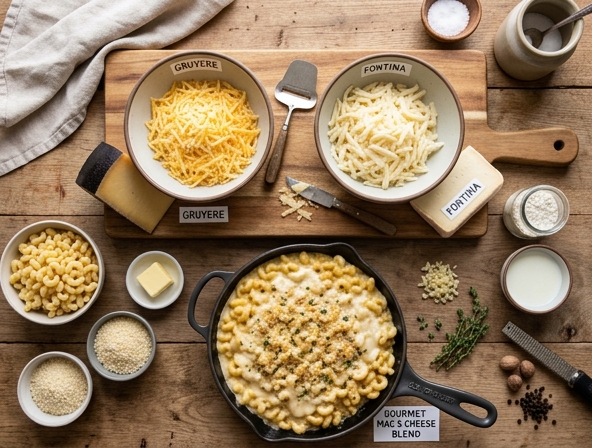
Many home chefs struggle to achieve an elusive, velvety, gourmet melt. While standard sharp cheddar provides a reliable foundation, it often lacks the nuanced depth required for a truly elevated sauce. By blending Gruyère and Fontina, you unlock a sophisticated profile characterized by exceptional meltability and nutty undertones. Note that ingredient quality remains paramount; aged varieties ensure superior structural integrity. Gruyère contributes savory complexity, while Fontina provides a luxurious, stringy finish. We will now explore their synergy.
| Feature | Description |
|---|---|
| Core Objective | Achieving a sophisticated, velvety, and gourmet mac and cheese sauce. |
| Gruyère Role | Adds depth, savory complexity, and subtle nutty undertones. |
| Fontina Role | Ensures superior meltability and provides a luxurious, stringy texture. |
| Key Recommendation | Always prioritize high-quality, aged cheese varieties to maintain structural integrity. |
Gruyère vs. Fontina for Macaroni and Cheese: Creating The Perfect Gourmet Blend
There is a distinct moment in every home cook's journey when they realize that the neon-orange powder of childhood nostalgia, while comforting, is no longer the pinnacle of culinary satisfaction. The quest for the perfect macaroni and cheese is a rite of passage, a pursuit of the ultimate balance between silkiness, salt, and soul-warming depth. While cheddar is the traditional workhorse of the genre, the true gourmet experience often lies in the marriage of two specific Alpine-style giants: Gruyère and Fontina.
The Case for Gruyère: The King of Depth
If your macaroni and cheese were a symphony, Gruyère would be the cello-the deep, resonant foundation that provides complexity and character. Originating from the Swiss town of Gruyères, this cow's-milk cheese is cave-aged, a process that imparts a distinct personality that is both savory and slightly sweet, with a nutty undertone that lingers on the palate.
In a béchamel-based sauce, Gruyère excels because of its melting profile. It possesses enough moisture to dissolve into a smooth, emulsified cream, yet it retains a bold, "grown-up" flavor that refuses to be overshadowed by the pasta. It provides the "umami" punch that defines a gourmet dish. However, used in isolation, Gruyère can sometimes become slightly oily or, in a very dense sauce, a bit too assertive for those who prefer a subtler experience.
The Case for Fontina: The Master of Texture
While Gruyère provides the soul, Fontina is the connective tissue. True Fontina Val d'Aosta (though many high-quality Fontina-style cheeses are produced worldwide) is renowned for being one of the best melting cheeses in existence. It is characterized by its buttery, slightly mushroomy, and remarkably creamy consistency.
The beauty of Fontina is its unctuousness. When heated, it transforms into a velvety, glossy liquid that coats every nook and cranny of your chosen pasta shape. While Gruyère brings the drama, Fontina brings the "pull"-that satisfying, elastic stretch that characterizes the perfect macaroni and cheese. It is milder than Gruyère, serving as a softening agent that balances the sharpness of the dish, ensuring the final result is elegant rather than harsh.
The Synergy: Why They Belong Together
The magic happens when you move away from the "one-cheese-to-rule-them-all" mentality and embrace the blend. By combining Gruyère and Fontina, you are essentially solving the two biggest problems in mac and cheese: flavor and mouthfeel.
- Flavor Balance: The salt-kissed, complex nuttiness of the Gruyère prevents the Fontina from tasting one-dimensional, while the buttery nature of the Fontina tames the rustic intensity of the Gruyère.
- Structural Integrity: The Gruyère provides the stability needed for a stable Mornay sauce, while the Fontina ensures that the sauce remains fluid, soft, and glossy, even as the dish begins to cool on the dinner table.
- Aromatic Complexity: Together, they create a fragrance that is reminiscent of a high-end bistro dish-earthy, dairy-rich, and inviting.
Technical Tips for the Perfect Gourmet Mornay
To truly extract the best from this duo, your technique must match the quality of your ingredients. Here are the secrets to ensuring your Gruyère-Fontina blend reaches its potential:
1. Grate Your Own Cheese
This is the cardinal rule of gourmet mac and cheese. Pre-shredded cheese is coated in potato starch or cellulose to prevent clumping in the bag; this substance prevents the cheese from melting fully, leading to a grainy or chalky sauce. Invest in a box grater and take the extra five minutes to shred your Gruyère and Fontina by hand.
2. Temper the Sauce
When incorporating your cheese into your white sauce (the Mornay), remove the pan from the heat entirely. Add the cheese in handfuls, whisking continuously. If you subject these high-quality cheeses to direct, high heat, the proteins will tighten and the fats will separate, resulting in a broken sauce. Residual heat is your best friend.
3. The Secret Aromatics
To highlight the Alpine nature of these cheeses, incorporate a pinch of freshly grated nutmeg into your béchamel. It is the classic French accompaniment to Gruyère. A small amount of Dijon mustard can also help stabilize the emulsion and adds a subtle acidity that cuts through the richness of the Fontina.
Elevating the Final Product
Once you have mastered the blend, consider the vessel and the topping. A short, ridged pasta-like cavatappi or campanelle-is superior to traditional elbow macaroni because the ridges and hollow centers trap more of that luxurious Gruyère-Fontina sauce.
For the topping, avoid the overly salty, mass-produced breadcrumbs. Instead, toss panko breadcrumbs with melted butter, fresh thyme, and a hint of lemon zest. When baked, this provides a crisp, herbaceous contrast to the creamy depth of the cheese underneath. The lemon zest, in particular, acts as a palate cleanser between bites, preventing the heaviness of the dish from overwhelming the senses.
The Verdict
Is one cheese better than the other? Not necessarily. But in the world of gourmet cooking, we rarely have to choose. Gruyère offers the intellectual satisfaction of complex flavor, while Fontina offers the visceral satisfaction of perfect texture. By merging them into a single, cohesive blend, you aren't just making dinner-you are crafting an experience. The next time you find yourself standing in the cheese aisle, skip the sharp cheddar block. Reach for the Gruyère and the Fontina; your pasta will thank you.
Disclaimer:
The information provided on Eateryn is for general educational and informational purposes only and is not intended as medical, nutritional, or healthcare advice. It should not be used to diagnose, treat, cure, or prevent any disease or medical condition.
Always consult a qualified physician, registered dietitian, or other certified healthcare professional before making changes to your diet, exercise routine, or lifestyle, or regarding any medical questions or concerns you may have. Never disregard or delay seeking professional medical advice because of something you have read on this website.