
Ground Beef vs Ground Turkey For Meatloaf - Choosing The Best Base Protein
Selecting the ideal protein for meatloaf is a common challenge for cooks balancing flavor and nutrition. While traditional recipes rely heavily on ground beef as a culinary baseline, the shift toward leaner turkey alternatives has altered our approach. Understanding the precise fat-to-protein ratio offers a significant advantage in maintaining texture. Note: Outcomes depend heavily on your chosen binders. For instance, 80/20 beef yields a rich, stable crust, whereas turkey requires added aromatics. This guide evaluates which protein ensures success.
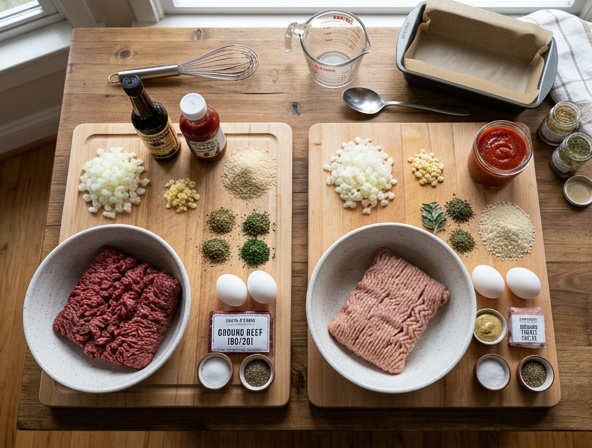
| Protein Type | Key Characteristics | Flavor & Texture Profile | Culinary Tip |
|---|---|---|---|
| Ground Beef | Higher fat content (e.g., 80/20) | Rich flavor with a stable, firm crust | The traditional choice for moisture and structural integrity. |
| Ground Turkey | Leaner, lower fat content | Subtle flavor; prone to dryness | Must be balanced with extra aromatics and precise binders. |
Ground Beef vs. Ground Turkey: Choosing the Best Base Protein for Your Meatloaf
The meatloaf is a culinary chameleon. It is the ultimate comfort food, a humble staple that sits at the intersection of kitchen ingenuity and family tradition. Yet, despite its reputation for simplicity, the foundation of a great meatloaf-the protein-is a subject of significant debate. When you stand in the grocery aisle staring down a pound of ground beef and a pound of ground turkey, the decision you make will dictate not just the nutritional profile of your meal, but its texture, flavor depth, and overall satisfaction.
The Case for Ground Beef: The Traditionalist's Gold Standard
For most, ground beef is the default protein for meatloaf. There is a reason for this: fat is flavor. When we talk about meatloaf, we are often chasing that rich, savory, umami-packed bite that only beef can provide.
The Fat Advantage: The hallmark of a great meatloaf is its ability to stay succulent throughout the baking process. Beef, particularly an 80/20 blend (80% lean, 20% fat), provides ample intramuscular fat. As the meatloaf cooks, this fat renders, basting the loaf from the inside out and keeping the breadcrumbs and aromatics moist. This renders a finished product that is tender, forgiving, and deeply flavorful.
Maillard Reaction: Ground beef excels at the Maillard reaction-the chemical process that occurs when proteins and sugars brown under high heat. The surface of a beef meatloaf develops a crusty, caramelized exterior that provides a necessary textural contrast to the soft interior. Without this level of fat and connective tissue, achieving that deep, dark crust is significantly more difficult.
The Case for Ground Turkey: The Lean and Conscious Alternative
In recent years, ground turkey has surged in popularity as a health-conscious alternative. For those looking to reduce saturated fat and calorie intake without sacrificing the structural integrity of a loaf, turkey is a viable, albeit demanding, candidate.
The Nutrient Profile: Turkey is naturally lower in saturated fat and calories than beef. It is a dense source of lean protein, making it an excellent choice for those following specific dietary macros. However, because it is so lean, it lacks the "built-in" moisture of beef. A turkey meatloaf cooked exactly like a beef one will often result in a dry, crumbly, and lackluster experience.
Flavor Absorption: Because turkey has a more neutral flavor profile than beef, it acts as a blank canvas. It absorbs herbs, spices, and glazes much more readily than beef does. If you are a fan of bold, aggressive seasoning-lots of garlic, fresh parsley, Worcestershire sauce, and smoky glazes-turkey is an excellent carrier for these flavors.
Technical Challenges: Binding and Moisture
The primary battle in the "Beef vs. Turkey" war is moisture management. Beef is a natural lubricant; turkey is a natural dehydrator. To ensure a successful turkey meatloaf, you must compensate for the lack of fat.
- Add Fat-Boosting Ingredients: When using turkey, consider incorporating sautéed mushrooms, grated zucchini, or even a small amount of olive oil into the mix.
- Elevate the Binder: Use a high-quality panade-breadcrumbs soaked in milk or stock-to keep the turkey mixture tender.
- Temperature Control: Overcooking is the enemy of all meatloaf, but it is fatal to turkey. Ensure your turkey meatloaf reaches an internal temperature of 165°F (74°C) precisely, and then pull it immediately. Letting it sit in a hot oven for an extra 10 minutes will dry it out instantly.
The "Hybrid" Approach: The Best of Both Worlds
Many professional chefs and experienced home cooks have abandoned the binary choice entirely in favor of the hybrid method. By blending ground beef and ground turkey-usually in a 50/50 or 70/30 ratio-you gain the structural integrity and moisture of the beef while benefiting from the lighter caloric load of the turkey.
This approach balances the rich, savory punch of the beef with the clean, lean texture of the turkey. It is the ultimate compromise for families who want a healthier meal that doesn't feel like a compromise on taste. In a hybrid loaf, the beef fat helps lubricate the turkey fibers, preventing the dry, grainy texture that plagues all-turkey loaves.
Final Verdict: Which Should You Choose?
Choosing between ground beef and ground turkey depends on your priority for that specific dinner.
Choose Ground Beef if: You are hosting a Sunday dinner, craving classic comfort, or prioritize a rich, caramelized exterior and a melt-in-your-mouth interior. It is the most forgiving option for beginners.
Choose Ground Turkey if: You are strictly adhering to dietary goals, or if you plan on using a very bold glaze (like a spicy chipotle or sweet-and-sour sauce) that will provide the moisture and flavor intensity that the meat itself lacks.
The Middle Path: If you are undecided, start with a 50/50 blend. It provides a foolproof way to experiment with the nutritional benefits of turkey while keeping the delicious, iconic meatloaf experience that beef guarantees.
Regardless of the protein you choose, remember that the meat is only the base. A meatloaf's true character is forged in the aromatics-onions, garlic, celery-the quality of your binder, and the patience you show during the resting phase. Whichever path you take, let the meatloaf rest for at least 15 minutes before slicing; this allows the juices to redistribute and ensures that every slice holds together, regardless of whether it's bovine, avian, or a bit of both.
Disclaimer:
The information provided on Eateryn is for general educational and informational purposes only and is not intended as medical, nutritional, or healthcare advice. It should not be used to diagnose, treat, cure, or prevent any disease or medical condition.
Always consult a qualified physician, registered dietitian, or other certified healthcare professional before making changes to your diet, exercise routine, or lifestyle, or regarding any medical questions or concerns you may have. Never disregard or delay seeking professional medical advice because of something you have read on this website.