
Gluten Free vs Wheat for Hot Dog - Dietary Bun Alternatives
Gluten-Free vs. Wheat: Selecting Your Ideal Bun
Finding a gluten-free bun that mirrors the structural integrity of traditional wheat remains a significant challenge for diners with dietary restrictions. While standard wheat buns offer unmatched elasticity, emerging ingredient technology now delivers high-quality, gluten-free alternatives that satisfy those cravings. Please note that moisture and binding agents significantly dictate performance. Proven options, such as Schär or Udi's, illustrate this progress. This analysis evaluates the best dietary bun replacements for your next meal.
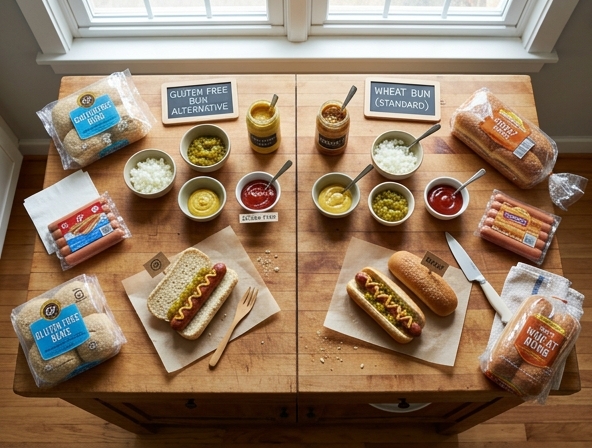
| Comparison Factor | Traditional Wheat Buns | Gluten-Free Buns |
|---|---|---|
| Elasticity & Texture | Offers unmatched, natural structural elasticity. | Improving rapidly, but quality varies by brand. |
| Structural Integrity | Reliable and high-performing. | Highly dependent on the use of binding agents. |
| Primary Needs | N/A (Standard formulation). | Requires precise moisture balance to succeed. |
| Examples/Leaders | Standard market offerings. | Schär, Udi's. |
The Hot Dog Bun Dilemma: Gluten-Free vs. Traditional Wheat
The humble hot dog is an icon of summer, a staple of backyard barbecues, and a quick-fix meal that transcends generations. While the quality of the sausage or frankfurter is often the primary focus, the bun plays a role that is arguably more vital to the overall culinary experience. It is the vessel, the structural foundation, and the sponge for condiments. For years, the fluffy, wheat-based bun has been the gold standard. However, as awareness of celiac disease, gluten sensitivity, and general dietary preferences has grown, the "Gluten-Free vs. Wheat" debate has moved from the back of the pantry to the center of the grill.
The Anatomy of the Traditional Wheat Bun
To understand what makes the gluten-free alternative so challenging, we must first appreciate what wheat brings to the table. The "secret sauce" in traditional baking is, quite literally, gluten. When wheat flour is mixed with water and kneaded, proteins called glutenin and gliadin bond together to form a complex, elastic network. This matrix is what allows a dough to rise, trap carbon dioxide bubbles produced by yeast, and maintain its shape during the high heat of a commercial oven.
A wheat-based hot dog bun is prized for its "chew"-that slight resistance when you bite into it-and its ability to hold a steaming, sauce-laden sausage without falling apart. It possesses a distinct, slightly nutty sweetness from the wheat starch and the ability to toast beautifully, creating a golden, crunchy exterior while remaining soft on the inside. For the average consumer, this textural balance is what we have come to define as "bread."
The Gluten-Free Challenge: Replacing the Invisible Scaffold
When you remove gluten, you are effectively taking away the scaffolding that supports the structure of the bread. This is the primary reason early gluten-free (GF) baked goods were notorious for being dense, gritty, or crumbly. Without gluten, the bread cannot "stretch," making it difficult to achieve that signature fluffy bun profile.
Manufacturers have spent decades solving this puzzle, often turning to a combination of alternative flours and binding agents. Common ingredients now found in high-quality GF buns include:
- Rice Flour: Provides a neutral base but lacks structure on its own.
- Tapioca and Potato Starch: Essential for adding that necessary "chew" and light texture.
- Xanthan Gum or Guar Gum: These act as the "glue" that replaces gluten, providing the binding necessary to hold the bun together.
- Almond or Coconut Flour: Used in specialized artisanal buns, these add moisture and healthy fats but alter the flavor profile significantly.
Taste and Texture: The Verdict
If you perform a side-by-side taste test, you will notice the differences immediately. A traditional wheat bun is airy and malleable. A gluten-free bun, even a high-end one, often has a tighter crumb structure and a slightly more "cake-like" or moist consistency. Some brands can be quite dense, which can be overwhelming when paired with a heavy sausage.
However, the gap is closing. Modern techniques, such as using psyllium husk or fermented sourdough cultures in GF recipes, have vastly improved the taste and flexibility of gluten-free options. The modern GF bun is no longer a last resort; it is a viable culinary alternative that allows those with dietary restrictions to participate fully in the "hot dog experience" without feeling like they are compromising on enjoyment.
Beyond Wheat and Gluten-Free: The Rise of Dietary Alternatives
The conversation has expanded beyond simple wheat vs. GF. Today, many health-conscious consumers are looking for buns that fit within specific dietary frameworks like Keto, Paleo, or low-carb diets. These buns are often entirely grain-free, focusing on ingredients like egg whites, almond flour, or even cauliflower.
Low-Carb and Keto Buns: These are designed to be high in protein and fat while being extremely low in net carbs. They often lack the traditional "bready" flavor but are excellent for those tracking macros. They tend to be more compact and denser, which actually makes them very good at holding heavy toppings like chili or coleslaw without disintegrating.
Vegetable-Based Wraps: For those who want to avoid processed flours entirely, the "lettuce wrap" has long been a savior. While it lacks the comforting warmth of a bun, it offers a fresh, crunchy contrast to the salty, savory nature of a hot dog. It is an excellent way to keep the meal light, especially during sweltering summer afternoons.
Practical Tips for Your Next BBQ
Regardless of which bun you choose, preparation is key to a superior meal:
- Toast your buns: This is non-negotiable, especially for gluten-free or keto buns. Heat creates a Maillard reaction that adds flavor and, more importantly, creates a barrier that prevents sauces from soaking through the bread.
- Steaming: If you are serving a large crowd, a quick steam (placing the buns in a basket over simmering water) can make even a slightly dry GF bun feel incredibly soft and fresh.
- Check the labels: If you are buying gluten-free due to celiac disease, always ensure the product is certified gluten-free to avoid cross-contamination in shared manufacturing facilities.
Conclusion: The Best Bun is the One You Can Enjoy
The "Gluten-Free vs. Wheat" debate is ultimately a matter of personal health requirements and sensory preference. If you don't have a dietary need to avoid wheat, the classic bun remains the undisputed king of texture and tradition. However, if you are navigating gluten sensitivity, you are living in a golden age of alternatives. The technology behind gluten-free baking has reached a point where you no longer have to settle for dry, crumbly experiences.
Whether you choose the traditional fluffy wheat bun, a sophisticated gluten-free blend, or a low-carb veggie wrap, the goal remains the same: a great-tasting hot dog shared with friends and family. The bun is simply the stage upon which the sausage performs-and in 2024, the stage is bigger and more inclusive than it has ever been.
Disclaimer:
The information provided on Eateryn is for general educational and informational purposes only and is not intended as medical, nutritional, or healthcare advice. It should not be used to diagnose, treat, cure, or prevent any disease or medical condition.
Always consult a qualified physician, registered dietitian, or other certified healthcare professional before making changes to your diet, exercise routine, or lifestyle, or regarding any medical questions or concerns you may have. Never disregard or delay seeking professional medical advice because of something you have read on this website.