
Gluten-Free Pasta vs Wheat Pasta for Macaroni and Cheese - Texture Differences In Sauce Absorption
Achieving the perfect creamy texture in gluten-free macaroni and cheese often feels like a frustrating compromise. While traditional wheat pasta naturally maintains structural integrity under rich béchamel, gluten-free alternatives often struggle with inconsistent starch gelatinization. Understanding these molecular absorption differences guarantees a restaurant-quality result regardless of dietary restrictions. Note: gluten-free pasta requires precise timing to prevent mushiness, as seen in brands like Jovial. This guide evaluates texture profiles and essential techniques for superior sauce adhesion.
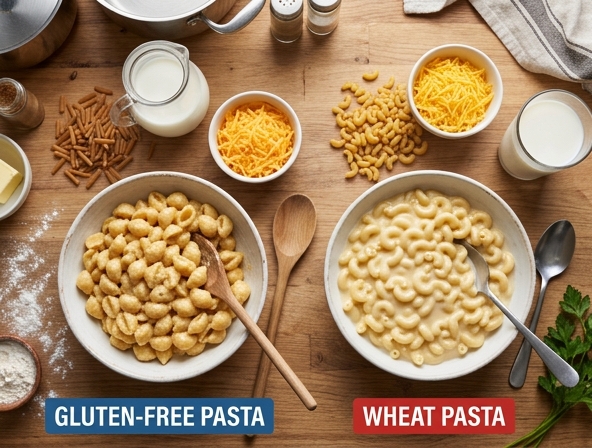
| Feature | Wheat Pasta | Gluten-Free Pasta |
|---|---|---|
| Structural Integrity | Naturally maintains shape and firmness under rich sauces. | Prone to inconsistent starch gelatinization; can become mushy easily. |
| Sauce Interaction | Reliable base for creamy béchamel. | Requires specific techniques to achieve proper sauce adhesion. |
| Preparation Needs | Standard cooking methods. | Requires precise timing and monitoring to prevent overcooking. |
| Recommended Approach | Traditional preparation. | Focus on timing and brand selection (e.g., Jovial) for best results. |
The Great Debate: Gluten-Free vs. Wheat Pasta in Macaroni and Cheese
Macaroni and cheese is more than just a dish; it is a structural engineering project on a plate. The success of a truly great mac and cheese relies on the elusive "cling"-the ability of a velvety cheese sauce to coat every nook, cranny, and crevice of the pasta. For decades, traditional wheat pasta, specifically semolina-based noodles, has been the industry standard for this culinary feat. However, as dietary preferences evolve, gluten-free (GF) alternatives have surged in popularity. The transition from wheat to gluten-free, however, is not a simple one-to-one swap. The differences in starch composition, protein structure, and surface morphology significantly alter how these noodles interact with cheese sauces, leading to marked differences in texture and absorption.
The Anatomy of the Wheat Noodle: Why It Reigns Supreme
The superiority of wheat pasta in a mac and cheese context stems from the unique properties of wheat protein: gluten. When semolina flour is mixed with water, the proteins glutenin and gliadin form a complex, elastic network. This network acts as a structural scaffold, allowing the pasta to maintain a firm "al dente" bite even when submerged in a warm, heavy, high-fat sauce.
Furthermore, traditional high-quality wheat pasta is often "bronze-cut." During production, the dough is extruded through bronze dies rather than Teflon ones. This process leaves the surface of the pasta rough and porous. These microscopic ridges act like Velcro for cheese sauce, creating a high-surface-area environment where the sauce can anchor itself securely. When you take a bite of wheat macaroni, the pasta provides a resilient snap that contrasts with the softness of the sauce, creating a balanced mouthfeel.
The Gluten-Free Challenge: Starch and Fragility
Gluten-free pasta, by contrast, relies on a diverse array of alternative flours, including rice, corn, lentils, chickpeas, or a blend of starches like tapioca and potato. Because these ingredients lack the elastic protein matrix of wheat, they often struggle with structural integrity.
The primary issue in mac and cheese application is the "starch release." Many GF pastas-particularly those heavy in rice flour-tend to shed a significant amount of amylose (a type of starch) into the boiling water. If not handled correctly, this can create a gummy, mucilaginous film on the outside of the noodle. While this film might initially seem like it would help the sauce stick, it often creates a slippery barrier that prevents the sauce from properly integrating with the pasta. Instead of the cheese sauce clinging to the noodle, it can slide off, resulting in a pool of sauce at the bottom of the bowl while the pasta remains relatively dry.
The Mechanics of Sauce Absorption
Absorption in the context of macaroni and cheese is a misnomer; pasta does not truly "absorb" a thick cheese emulsion the way a sponge absorbs water. Instead, the sauce *adheres* to the surface. This adhesion is highly dependent on surface tension and friction.
- Wheat Pasta: The rough, porous surface allows the oil and fat molecules in the cheese sauce to grip effectively. The structural stiffness ensures that the weight of the sauce does not collapse the noodle, maintaining the integrity of the dish from the first bite to the last.
- Gluten-Free Pasta: Because many GF pastas are smoother (often extruded through non-porous dies) and less rigid, the physics change. If the pasta is cooked even slightly beyond al dente, it may become soft or mushy, losing the textural contrast needed to cut through the richness of the cheese. Additionally, if the pasta contains high levels of legume flour (like chickpea or lentil), it may contribute a slightly gritty texture or an earthy flavor profile that competes with the sharpness of the cheddar or gruyère in your sauce.
Strategies for Success with Gluten-Free Pasta
Does this mean gluten-free mac and cheese is destined for failure? Absolutely not. By understanding the science of the materials, home cooks can mitigate these issues:
- The "Undercook" Rule: Gluten-free pasta is notoriously fragile. Always aim to cook it one to two minutes less than the lowest time suggested on the package. The pasta will continue to soften as it absorbs heat from the cheese sauce.
- The Salted Rinse: While traditional wisdom suggests never rinsing pasta, a quick, gentle rinse with warm water after draining can remove the excess surface starch that causes the "gummy" mouthfeel of rice-based pastas. Be careful not to rinse for too long, as you want to retain enough surface starch to provide the sauce with some grip.
- Fat-First Emulsification: When making your cheese sauce, ensure your roux (if using a flour-based thickener) is perfectly cooked and that you are using a high-quality emulsifying agent, such as sodium citrate, which can help create a stable, creamy sauce that clings better to smoother surfaces.
- Choosing the Right Variety: Not all GF pastas perform the same. Corn-based pastas tend to hold their shape better and offer a firmer bite similar to wheat, whereas brown rice pasta is better for those seeking a neutral flavor but requires careful monitoring to prevent mushiness.
The Final Verdict
The choice between wheat and gluten-free pasta for mac and cheese is a balancing act. Wheat pasta provides the gold standard for texture and surface adhesion, making it the more "forgiving" choice for the home cook. However, with the right techniques-specifically in temperature control, timing, and starch management-gluten-free pasta can produce a bowl of macaroni and cheese that is every bit as satisfying. The difference lies in the process; while wheat pasta thrives on habit, gluten-free pasta demands attention. Ultimately, the best mac and cheese is the one that brings comfort to the table-regardless of the flour used to build it.
Disclaimer:
The information provided on Eateryn is for general educational and informational purposes only and is not intended as medical, nutritional, or healthcare advice. It should not be used to diagnose, treat, cure, or prevent any disease or medical condition.
Always consult a qualified physician, registered dietitian, or other certified healthcare professional before making changes to your diet, exercise routine, or lifestyle, or regarding any medical questions or concerns you may have. Never disregard or delay seeking professional medical advice because of something you have read on this website.