
Fresh Basil vs Dried Herbs for Pizza - Elevating Your Homemade Pies
Fresh Basil vs. Dried Herbs: Elevating Your Homemade Pies
Many home pizzaiolos struggle to replicate the vibrant, complex flavors of artisanal pies, often settling for muted results. While standard seasoning blends are common, they frequently fail to capture the nuance of curated selections. Mastering herb application chemistry transforms your crust into a professional-grade experience. Notably, fresh basil requires post-bake application to maintain aromatics, while dried oregano benefits from heat-infused development. This guide outlines these precise techniques to ensure your next bake achieves restaurant-quality results.
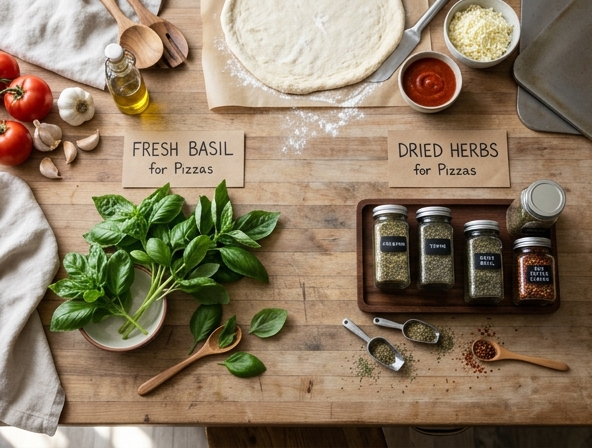
| Herb Type | Application Timing | Reasoning |
|---|---|---|
| Fresh Basil | Post-bake | Preserves delicate aromatics and prevents burning, ensuring a vibrant flavor profile. |
| Dried Herbs (e.g., Oregano) | Pre-bake | Requires heat exposure to fully develop and infuse complex, concentrated flavors into the crust and toppings. |
The Great Culinary Debate: Fresh Basil vs. Dried Herbs for Pizza
There is a singular, intoxicating magic that occurs when a pizza is pulled from a scorching hot oven. It is a symphony of bubbling mozzarella, blistered crust, and the sharp, bright acidity of tomato sauce. But the element that truly bridges the gap between a "good homemade pizza" and a "professional-grade masterpiece" is the strategic use of herbs. For many, the choice between fresh basil and dried herbs feels like an aesthetic preference, but for the serious pizzaiolo, it is a nuanced matter of chemistry, timing, and flavor profile.
The Power of the Dried Herb: The Foundation of Flavor
In the world of pizza, dried herbs are not merely a substitute for fresh; they are a distinct tool with a specific job. Because dried herbs-most notably oregano, thyme, and marjoram-have undergone a process of dehydration, their essential oils are concentrated. When you are constructing a pizza sauce, these herbs are your best friends.
Dried oregano, the undisputed king of pizza herbs, is remarkably resilient. When simmered in a tomato base or bloomed in a sauté pan with garlic and olive oil, the heat releases the volatile oils, allowing the flavor to permeate the sauce completely. This process creates a structural foundation of flavor that baking cannot destroy. In fact, if you were to use fresh oregano in a long-simmered sauce, the delicate, nuanced notes would likely evaporate or turn bitter under the heat.
Pro Tip: To get the most out of your dried herbs, "wake them up." Crush them between your palms before adding them to your sauce or sprinkling them over the cheese. This simple mechanical action breaks open the dried cells and releases a burst of aromatics that have been trapped during the drying process.
The Elegance of Fresh Basil: The Final Flourish
If dried herbs are the foundation, fresh basil is the crown jewel. Unlike dried oregano, which thrives in the heat, fresh basil is temperamental and fragile. Its flavor profile is floral, peppery, and incredibly volatile. Subjecting fresh basil to the extreme temperatures of a 500°F+ (260°C+) pizza oven is, quite often, a culinary tragedy. The heat causes the leaves to oxidize, turning them from a vibrant, glossy green to a soggy, blackened, bitter mess.
Fresh basil should be treated as a finishing ingredient. The ideal approach is to add it either just seconds before the pizza exits the oven or, even better, immediately after the pizza has been sliced. By applying the leaves to the residual heat of the melted cheese and crust, you allow the basil to soften slightly and release its sweet, garden-fresh scent without destroying its structural integrity.
The Strategy: Building Layers of Flavor
The most successful pizza makers don't choose between fresh and dried; they employ a layered strategy. Consider the "Rule of Timing":
- The Sauce Layer (Dried): Use dried oregano, thyme, or a pinch of dried red pepper flakes in your tomato base. These herbs provide the deep, earthy, savory notes that hold their own against the acidity of the tomatoes and the richness of the cheese.
- The Pre-Bake Layer (Dried/Hardy Fresh): If you are making a vegetable-heavy pizza, you can sprinkle a light dusting of dried herbs over the toppings before baking. However, if you are using hardy fresh herbs like rosemary or thyme (on the branch), they can handle the heat of the oven and will toast beautifully.
- The Post-Bake Layer (Fresh): This is for your delicate soft herbs-basil, arugula, or even fresh parsley. A chiffonade of basil, scattered over the pizza right before serving, provides a bright, refreshing contrast to the molten cheese and the slightly bitter char of the crust.
Beyond the Basics: Pairing Herbs with Toppings
To truly elevate your pizza, move beyond the standard "oregano and basil" pairing. Different toppings have different flavor affinities:
- Meat Lovers: If your pizza features sausage, fennel seed, or pepperoni, reach for dried rosemary or sage. These resinous herbs stand up well to the fat content of the meat and add a sophisticated depth.
- White Pies (Pizza Bianca): For a garlic and ricotta base, fresh thyme leaves or a drizzle of chive-infused oil can cut through the richness of the cream base without overpowering the delicate sweetness of the ricotta.
- Margherita/Classic Pies: Stick to the Italian tradition. A robust, cooked-in oregano sauce followed by a vibrant, tear-dropped fresh basil leaf creates the perfect balance.
The "Dried Basil" Pitfall
A word of warning to the home cook: skip the dried basil. Unlike oregano, thyme, or rosemary, basil loses almost all of its distinct character when dried. Most store-bought dried basil tastes like nothing more than dusty hay. If you don't have fresh basil, it is far better to omit the herb entirely or substitute it with a high-quality jarred pesto after the pizza is baked, rather than using a flavorless dried version.
Conclusion: The Art of the Infusion
Ultimately, elevating your homemade pizza is about sensory manipulation. You want a progression of flavors: the deep, slow-cooked savory notes from your dried herbs in the sauce, followed by the bright, aromatic punch of fresh herbs as you take your first bite. By understanding the chemical limits of your ingredients-knowing what survives the fire and what prefers the cooling air-you transform your kitchen into a pizzeria. Next time you preheat your oven, remember: let the dried herbs provide the base, and let the fresh herbs provide the soul.
Disclaimer:
The information provided on Eateryn is for general educational and informational purposes only and is not intended as medical, nutritional, or healthcare advice. It should not be used to diagnose, treat, cure, or prevent any disease or medical condition.
Always consult a qualified physician, registered dietitian, or other certified healthcare professional before making changes to your diet, exercise routine, or lifestyle, or regarding any medical questions or concerns you may have. Never disregard or delay seeking professional medical advice because of something you have read on this website.