
Cooking Spray vs Clarified Butter for Pancakes - Creating Nonstick Magic
Cooking Spray vs. Clarified Butter for Pancakes
Struggling with uneven browning or pancakes clinging to the griddle is a universal frustration. While standard oils or salted butter are common kitchen staples, they often lack the stability required for a pristine release. Clarified butter provides superior nonstick performance and a clean, rich finish. However, proper heat management is essential, as smoke points vary significantly. By mastering these fats, even delicate batters lift perfectly. This guide compares both mediums to help you achieve breakfast perfection.
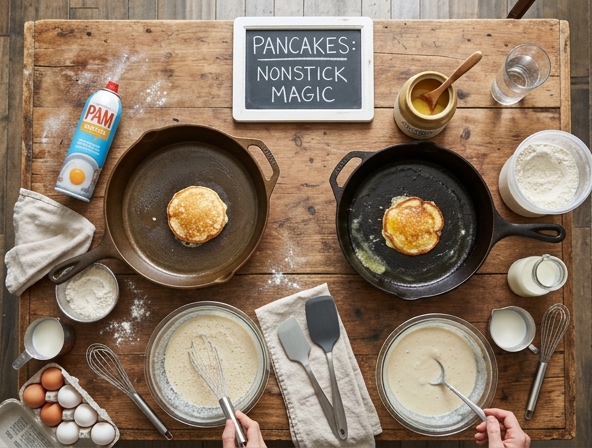
| Feature | Cooking Spray | Clarified Butter |
|---|---|---|
| Nonstick Performance | Standard; reliable for basic use. | Superior; creates a highly effective nonstick surface. |
| Flavor Profile | Typically neutral. | Rich and savory. |
| Heat Sensitivity | Generally stable for most griddles. | Requires careful management due to specific smoke points. |
| Resulting Finish | Functional, but can be uneven. | Clean, professional, and evenly browned. |
| Best For | Quick, everyday pancakes. | Achieving breakfast perfection and professional texture. |
Cooking Spray vs. Clarified Butter for Pancakes: Creating Nonstick Magic
The pursuit of the perfect pancake is a ritual as old as breakfast itself. We all know the components of a great batter-the right balance of leavening agents, the proper resting time, and the quality of the flour. However, even the most meticulously whisked batter can fall victim to a subpar cooking surface. The bridge between a golden-brown, structurally sound pancake and a torn, burnt mess is the fat you choose to coat your pan. The debate often boils down to two heavy hitters: the modern convenience of cooking spray versus the classic, artisanal depth of clarified butter.
The Science of the Surface
To understand why we need a medium between the batter and the metal, we must look at the chemistry of the Maillard reaction. When pancake batter hits a hot pan, the proteins and sugars undergo a complex transformation, creating the deep golden color and nutty flavor we crave. If the pan isn't properly lubricated, the proteins in the egg and flour bond directly to the microscopic pores in the metal. This is where your fat medium comes into play-it fills those pores and creates a slick barrier that allows the pancake to set before it adheres to the pan.
The Case for Cooking Spray: The Convenience King
Cooking spray, typically a blend of vegetable oils (such as canola or soybean) and an emulsifier like soy lecithin, is the darling of efficiency. For many, it is the go-to because it provides an incredibly thin, even coating that is nearly impossible to achieve by hand with butter.
The Pros of Cooking Spray
- Uniformity: It reaches every nook and cranny of a textured pan with minimal effort.
- Efficiency: No need to wait for butter to melt, bubble, or clarify. A two-second spritz and you're ready to pour.
- Caloric Control: By using a fine mist, you consume significantly less fat than if you were to drop a pat of butter into the pan.
The Cons of Cooking Spray
However, cooking spray has its detractors. Many varieties contain additives and propellants that can leave a sticky, gummy residue on your cookware over time, known as "polymerization." Furthermore, cooking spray lacks the culinary soul of butter. It is purely functional; it contributes nothing to the flavor profile of the pancake, essentially acting as a silent, invisible technician.
The Case for Clarified Butter: The Flavor Artisan
Clarified butter, or ghee, is the secret weapon of professional chefs. Standard butter is an emulsion of fat, water, and milk solids. When you heat regular butter, those milk solids burn quickly, turning black and imparting a bitter, acrid taste to your pancakes. By "clarifying" butter-melting it and skimming off the water and milk solids-you are left with pure butterfat.
The Advantages of Clarified Butter
Because the solids have been removed, clarified butter has a significantly higher smoke point than regular butter or even many vegetable oils. It allows you to maintain a higher heat without the risk of burnt spots on your pancakes. More importantly, it provides a deep, rich, nutty flavor that permeates the bottom crust of the pancake as it cooks.
The Texture Factor
Beyond flavor, clarified butter affects the texture of the pancake's exterior. While cooking spray creates a smooth, almost dry surface, clarified butter performs a "shallow fry" of the bottom of the pancake. This results in a crispier, lace-like edge that contrasts beautifully with the soft, fluffy interior of the cake. It is the difference between a pancake cooked on a flat top and one cooked in a grandmother's cast iron skillet.
The Direct Comparison: Heat and Performance
When you stand at the stove, the choice between these two depends on your priorities. If you are preparing pancakes for a large family and need to turn out dozens of hotcakes as quickly as possible, the convenience of cooking spray is hard to beat. It keeps the pan slick, preventing the dreaded "pancake flip tear."
However, if you are looking for a weekend breakfast experience-something that emphasizes flavor and a professional-grade crust-clarified butter is the undisputed champion. The key is in the application. Use a high-quality silicone pastry brush to spread a very thin layer of clarified butter across your preheated pan. If you use too much, the pancake will become greasy; if you use too little, you miss out on that golden-brown finish.
Expert Tips for Nonstick Mastery
Whether you choose the spray or the fat, the success of your pancake lies in the pan's temperature control. A pan that is too cold will result in a gummy, pale pancake that sticks regardless of your choice of lubricant. A pan that is too hot will cause the exterior to burn before the inside has finished setting.
Pro-Tip: Use the "water drop test." Flick a tiny drop of water onto your pan. If it sizzles and evaporates instantly, you aren't quite ready. If it dances across the surface in a bead, you have hit the sweet spot of the Leidenfrost effect-the ideal temperature to add your fat and your batter.
Conclusion: The Verdict
There is no "wrong" choice, only the right one for the occasion. Cooking spray is the hero of the busy Tuesday morning, ensuring that your quick breakfast doesn't turn into a cleanup disaster. But when the Sunday morning sunlight hits the kitchen and you have the time to slow down, reach for the clarified butter. The slight effort involved in brushing the pan is rewarded by a richer flavor, a better color, and a texture that elevates a humble batter into something truly magical. After all, pancakes aren't just food; they are a comfort, and there is no comfort quite like the scent of browning butter hitting a hot pan.
Disclaimer:
The information provided on Eateryn is for general educational and informational purposes only and is not intended as medical, nutritional, or healthcare advice. It should not be used to diagnose, treat, cure, or prevent any disease or medical condition.
Always consult a qualified physician, registered dietitian, or other certified healthcare professional before making changes to your diet, exercise routine, or lifestyle, or regarding any medical questions or concerns you may have. Never disregard or delay seeking professional medical advice because of something you have read on this website.