
Classic vs Spicy Cajun For Meatloaf - Exploring Dynamic Flavor Profiles
Classic vs. Spicy Cajun Meatloaf: Exploring Dynamic Flavor Profiles
Many home cooks struggle with meatloaf becoming repetitive and bland. While traditional recipes offer familiar comfort, they often lack the complexity modern palates demand. Introducing Cajun spices grants your meal an elevated, restaurant-quality profile. Please note that high-heat seasoning requires careful balance to maintain meat integrity. Integrating the “Holy Trinity” or robust Creole blends transforms basic beef into a gourmet experience. This analysis explores these distinct methodologies to help refine your culinary approach.
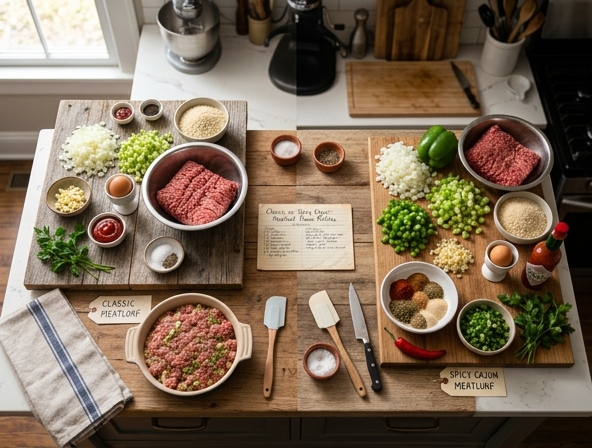
| Feature | Classic Meatloaf | Spicy Cajun Meatloaf |
|---|---|---|
| Flavor Profile | Familiar, traditional comfort | Complex, bold, and dynamic |
| Culinary Goal | Reliable, home-style meal | Elevated, restaurant-quality experience |
| Key Ingredients | Standard pantry seasonings | "Holy Trinity" or robust Creole spice blends |
| Preparation Tip | Minimal modification needed | Careful balance of heat required to maintain meat integrity |
The Meatloaf Evolution: Classic Comfort Meets Cajun Heat
The meatloaf has long occupied the throne of the quintessential American comfort food. It is a dish that speaks to the soul, often tethered to memories of family dinners, school cafeterias, and the comforting reliability of home cooking. For generations, the standard recipe has been a steady, mild affair-a reliable blend of ground beef, breadcrumbs, onion, and a sweet, tangy ketchup glaze. However, in the culinary world, even the most cherished traditions are subject to evolution. Today, we are witnessing a spirited shift as home cooks and chefs alike embrace the vibrant, electrified profiles of Cajun cuisine to transform this humble staple into something far more dynamic.
The Foundation: The Classic Meatloaf Aesthetic
To understand the impact of the Cajun evolution, one must first respect the original. The classic meatloaf is built on the philosophy of balance and subtlety. It relies on the sweetness of caramelized onions, the savory structure provided by milk-soaked breadcrumbs, and the acidic brightness of a tomato-based glaze. The flavor profile is linear and familiar: it's earthy, slightly sweet, and inherently gentle.
In a classic iteration, the seasoning is often minimal-salt, black pepper, and perhaps a touch of dried thyme or parsley. The goal is to highlight the natural richness of the ground meat. When done well, it is a masterclass in texture-crispy edges, a tender, moist interior, and a glaze that caramelizes just enough to provide a sticky, sweet finish. It is, in every sense, a "safe" harbor in the culinary landscape.
The Cajun Shift: Introducing the Holy Trinity
The Cajun meatloaf does not merely "add spice"; it fundamentally reworks the structural flavor base of the dish. The most significant departure begins with the aromatics. While a classic meatloaf might lean on finely diced yellow onion and garlic, the Cajun version utilizes the "Holy Trinity" of Louisiana cooking: bell peppers, celery, and onions. This substitution introduces a complex, vegetal earthiness that provides a sturdier foundation than simple onions alone.
When these ingredients are sautéed until soft and incorporated into the meat mixture, they release juices that infuse the entire loaf with a deep, savory foundation. But the true transformation happens with the spice profile. Cajun seasoning-a robust blend of paprika, garlic powder, onion powder, cayenne pepper, oregano, and thyme-replaces the mild dried herbs of the classic version. This doesn't just add heat; it adds a multifaceted complexity that forces the palate to pay attention.
Comparing Flavor Profiles: A Study in Nuance
The contrast between these two styles is a study in culinary personality. The Classic Meatloaf is an introvert-it is consistent, reliable, and soothing. It pairs perfectly with mashed potatoes and buttery peas, relying on the sides to provide the contrast in texture and color.
The Cajun Meatloaf, conversely, is an extrovert. It commands attention. The heat from the cayenne pepper, the sharpness of the garlic, and the smoke often derived from adding a pinch of smoked paprika or even finely chopped Andouille sausage create a dish that is high-voltage. Where the classic relies on the sweetness of a ketchup-and-brown-sugar glaze, the Cajun version often pivots to a spicy remoulade-inspired topping or a reduction made with spicy tomato sauce, Worcestershire, and perhaps a splash of hot sauce.
The Role of Texture and Moisture
Maintaining moisture in a meatloaf is a perennial challenge. In the classic version, milk-soaked bread or crackers act as a "panade," keeping the beef tender despite a long bake. In the Cajun version, because the inclusion of bell peppers and celery adds higher water content, the cook must be more judicious with their binders. If the vegetable ratio is too high, the loaf risks becoming crumbly. Savvy cooks often compensate by adding an extra egg or slightly reducing the liquids in the sauce, ensuring that the structural integrity of the loaf stands up to the bold seasoning.
Techniques for Integration
For those looking to transition from the classic to the Cajun, the secret lies in the Maillard reaction. Before the meat even enters the loaf pan, consider searing the aromatics. Sautéing the bell pepper, celery, and onion until they are translucent and just beginning to brown concentrates their flavor. If you choose to add Andouille or tasso ham, crisping those bits in a pan before folding them into the ground beef will ensure that the smokiness permeates the dish rather than sitting on the surface.
Furthermore, don't overlook the impact of your protein choice. A classic meatloaf usually calls for an 80/20 beef-to-fat ratio. A Cajun meatloaf often benefits from a mix-using 50% beef and 50% pork. The fat from the pork helps carry the complex, bold spices through the meat, ensuring that the heat doesn't feel "topical" or sharp, but rather deeply integrated.
Serving Suggestions: Elevating the Meal
The side dishes for these two meatloaves should reflect their personalities. A classic loaf craves the simplicity of traditional starches-creamy mashed potatoes, glazed carrots, or steamed green beans. These sides act as a neutral canvas for the savory glaze of the meatloaf.
The Cajun meatloaf requires a more robust supporting cast. Creamy cheese grits provide the perfect contrast to the spicy, firm texture of the meat. A side of collard greens braised with a bit of smoked turkey neck, or a cool, crisp cucumber and vinegar salad, serves to cut through the heat of the Cajun spices, providing a balanced, restaurant-quality dining experience at home.
Conclusion: Finding Your Personal Meatloaf Identity
The beauty of meatloaf lies in its adaptability. You don't have to choose between the nostalgic warmth of a classic recipe and the bold, rhythmic complexity of a Cajun-inspired dish; you can explore the spectrum between them. Perhaps you start by simply introducing the "Holy Trinity" to your family's favorite classic recipe, or perhaps you dive headfirst into a fully spiced Cajun loaf with a piquant glaze.
Regardless of the direction you choose, the exploration of flavor profiles is what keeps home cooking vital. By understanding how aromatics, spice blends, and fat ratios interact, you can turn a basic Tuesday night dinner into a culinary event. Whether you are seeking the comforting embrace of the past or the vibrant, spicy excitement of a new tradition, the meatloaf remains the perfect vessel for your kitchen creativity.
Disclaimer:
The information provided on Eateryn is for general educational and informational purposes only and is not intended as medical, nutritional, or healthcare advice. It should not be used to diagnose, treat, cure, or prevent any disease or medical condition.
Always consult a qualified physician, registered dietitian, or other certified healthcare professional before making changes to your diet, exercise routine, or lifestyle, or regarding any medical questions or concerns you may have. Never disregard or delay seeking professional medical advice because of something you have read on this website.