
Cauliflower Crust vs Wheat Crust for Pizza - Evaluating Health and Taste
Choosing between pizza crusts often feels like a trade-off between nutrition and enjoyment. While traditional wheat dough remains the standard, it frequently challenges dietary goals. Cauliflower crusts offer a fiber-rich alternative, though texture varies significantly based on binding ingredients. For instance, brands like Caulipower illustrate how effectively non-grain options can mimic authentic mouthfeel. This assessment evaluates the nutritional benefits and taste profiles of both varieties, providing the clarity needed to optimize your next meal.
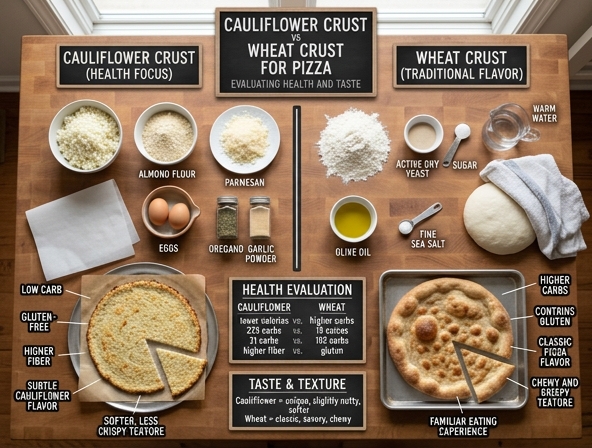
| Feature | Wheat Crust | Cauliflower Crust |
|---|---|---|
| Category | Traditional grain-based | Non-grain, vegetable-based |
| Nutritional Profile | Standard; may conflict with specific dietary goals | Fiber-rich; generally considered a healthier alternative |
| Texture & Taste | Classic, authentic mouthfeel | Variable; depends on binding agents (e.g., Caulipower) |
| Main Benefit | Familiarity and consistency | Optimized for dietary health |
Cauliflower Crust vs. Wheat Crust: A Deep Dive into the Great Pizza Debate
Pizza is arguably the world's most beloved comfort food. For decades, the crispy, chewy, yeast-leavened wheat crust served as the undisputed foundation of this culinary icon. However, as dietary trends have shifted toward low-carb, gluten-free, and vegetable-forward lifestyles, a new challenger has emerged: the cauliflower crust. What started as a niche DIY experiment in health-food blogs has evolved into a staple of grocery store freezers and restaurant menus worldwide. But is trading flour for vegetables truly a healthier choice, or is it merely a well-marketed illusion? Let's explore the nuances of taste, texture, and nutrition.
The Classic: The Wheat Crust
The traditional wheat-based pizza crust is a marvel of culinary chemistry. Its profile is defined by gluten-the proteins that provide structure, elasticity, and that signature "chew" that pizza lovers crave. When yeast, water, and flour interact, they create a light, airy structure that chars beautifully in high-heat ovens.
Nutritional Profile
Standard wheat crust is, essentially, refined carbohydrates. While it provides quick energy, it is often calorie-dense and can lead to rapid spikes in blood glucose levels, particularly if made from white, processed flour. Even whole-wheat versions, while better for fiber content, remain significant sources of carbohydrates.
The Sensory Experience
The wheat crust provides the perfect canvas for toppings. Because of its sturdy structure, it can hold up under heavy piles of cheese, meats, and vegetables without becoming soggy. The flavor is slightly nutty and neutral, allowing the acidity of the tomato sauce and the creaminess of the cheese to take center stage.
The Challenger: The Cauliflower Crust
The rise of the cauliflower crust is rooted in the quest for a lower-glycemic pizza experience. By replacing refined wheat with pulverized cauliflower, consumers aim to increase their vegetable intake while lowering their net carb count. However, it is vital to distinguish between homemade versions and the mass-produced variety found in the frozen aisle.
The "Hidden" Ingredients
Herein lies the controversy: most store-bought cauliflower crusts are not just cauliflower. Because cauliflower is largely water and lacks the structural integrity of gluten, manufacturers must add binders. Common additives include cornstarch, potato starch, rice flour, or tapioca starch. Consequently, a "healthy" cauliflower crust can often end up being just as calorie-dense and carbohydrate-heavy as a thin-crust wheat pizza.
Health Implications
When made with minimal binders and focused on egg/almond flour bases, a cauliflower crust is indeed an excellent option for those following ketogenic or low-carb diets. It offers a significant boost in vitamins (C, K, and folate) and minerals compared to a refined flour crust. However, if the crust is loaded with starches, the health benefits diminish rapidly.
Taste and Texture: The Verdict
The battle between these two crusts is often won or lost at the palate.
- Texture: Wheat crust reigns supreme in elasticity. It folds, it crisps, and it holds its own. Cauliflower crust, by contrast, is often more brittle. If you prefer a thin, cracker-like base, you might enjoy cauliflower, but it will never replicate the satisfying "tug" of a Neapolitan-style dough.
- Flavor: Wheat crust is mild. Cauliflower crust, even when seasoned, often retains an earthy, vegetal undertone. For some, this adds a complex, savory depth to the pizza; for others, it feels like a compromise that clashes with traditional toppings like pepperoni or sausage.
Evaluating Your Goals
Choosing between these two options shouldn't be about which is "better" in a vacuum, but rather which aligns with your specific dietary needs.
Choose Wheat Crust If:
You prioritize the authentic pizza experience, you are not sensitive to gluten, and you are fueling for high-intensity physical activity where carbohydrates are beneficial. It is the gold standard for taste, provided you practice portion control.
Choose Cauliflower Crust If:
You are managing insulin resistance, you suffer from celiac disease (always check for "Certified Gluten-Free" labels), or you are looking for creative ways to sneak more micronutrients into your diet. Just be sure to scan the ingredient list to ensure you aren't consuming a "cauliflower-flavored" starch bomb.
The Final Word
The evolution of pizza crust reflects our broader relationship with food: we want the comfort of the classics, but we are increasingly aware of the impact those foods have on our long-term health. While the wheat crust remains the undefeated champion of texture and culinary tradition, the cauliflower crust has earned its place as a viable, nutritious alternative for the modern diet.
Ultimately, the healthiest pizza is the one you enjoy in moderation, made with quality toppings. Whether you choose the airy, glutenous bite of traditional wheat or the veggie-packed crunch of cauliflower, the joy of a Friday night slice remains a universal experience.
Disclaimer:
The information provided on Eateryn is for general educational and informational purposes only and is not intended as medical, nutritional, or healthcare advice. It should not be used to diagnose, treat, cure, or prevent any disease or medical condition.
Always consult a qualified physician, registered dietitian, or other certified healthcare professional before making changes to your diet, exercise routine, or lifestyle, or regarding any medical questions or concerns you may have. Never disregard or delay seeking professional medical advice because of something you have read on this website.