
Cast Iron vs Aluminum For Meatloaf - Evaluating Essential Cookware Performance
Cast Iron vs Aluminum For Meatloaf: Evaluating Performance
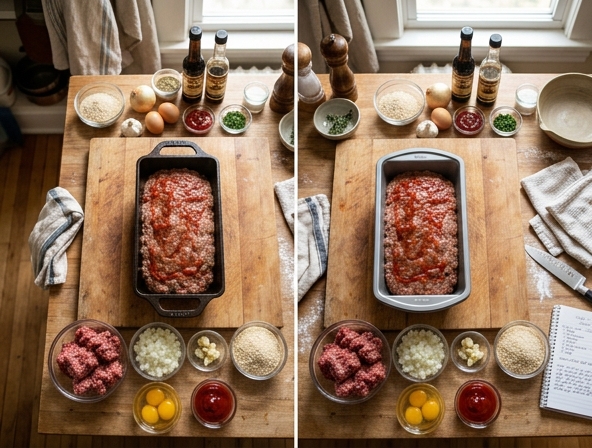
Achieving a perfect crust while maintaining internal moisture is a persistent challenge for home cooks. While many rely on standard glass or ceramic bakeware, choosing metal cookware unlocks superior heat retention and browning. Stipulation: Consider that material choice significantly influences cook times and acidity reactions. For instance, seasoned cast iron offers exceptional crust development, while aluminum ensures rapid, uniform thermal distribution. This comparison evaluates key performance metrics to determine the ideal vessel for your next meatloaf.
| Cookware Material | Performance Strength | Primary Benefit for Meatloaf |
|---|---|---|
| Cast Iron | Exceptional heat retention | Superior crust development and browning |
| Aluminum | Rapid, uniform thermal distribution | Consistent, even internal cooking |
| Note: Material choice impacts cook times and potential reactions to acidic ingredients. | ||
The Culinary Crossroads: Cast Iron vs. Aluminum for the Perfect Meatloaf
Meatloaf is perhaps the ultimate comfort food-a dish that relies as much on its structure and texture as it does on its savory blend of proteins, aromatics, and binders. While home cooks often focus entirely on the meat-to-breadcrumbs ratio or the perfect balance of a balsamic-ketchup glaze, the vessel used to bake the loaf is a frequently overlooked variable. When we compare cast iron and aluminum for meatloaf preparation, we are essentially choosing between two distinct philosophies of heat management: thermal mass versus thermal conductivity.
The Cast Iron Contender: Thermal Mass and the Maillard Reaction
Cast iron is legendary in the kitchen for one primary reason: thermal mass. Because cast iron is dense and heavy, it holds onto heat with remarkable stubbornness. When you place a loaf pan made of cast iron into a preheated oven, it doesn't just heat up; it becomes an active participant in the cooking process.
The primary advantage of cast iron for meatloaf is the creation of a superior exterior crust. As the meatloaf cooks, the fat rendered from the edges comes into contact with the hot surface of the pan. Because cast iron maintains a consistent, high temperature, it facilitates the Maillard reaction-the chemical process between amino acids and reducing sugars-which results in that deep, mahogany-colored crust that defines a premium meatloaf. If you are a fan of crispy, caramelized edges, cast iron is your most reliable ally.
Furthermore, cast iron is incredibly durable. A seasoned cast iron pan is virtually immortal, making it a "buy it for life" piece of equipment. However, this comes with caveats. Cast iron requires a robust seasoning layer to prevent the meat from sticking, especially if you are using a lean blend of meat (like 90/10 beef or turkey). Without that layer, cleanup can be a laborious process of scrubbing and re-seasoning.
The Aluminum Alternative: Speed and Evenness
Aluminum operates on the opposite end of the thermal spectrum. Known for its exceptional thermal conductivity, aluminum pans heat up rapidly and cool down just as quickly. This makes them a favorite for commercial bakers and home cooks who prioritize convenience and consistency.
When you use an aluminum pan for meatloaf, you aren't looking for high-heat caramelization; you are looking for even, controlled heat distribution. Because aluminum is a responsive metal, it ensures that the heat penetrates the center of the loaf gently. This can lead to a more uniform internal texture, reducing the risk of "hot spots" that might cause one side of the loaf to dry out while the middle remains undercooked.
Most modern aluminum loaf pans are anodized or coated with non-stick surfaces, which makes the removal of the loaf significantly easier than with a cast iron pan. If your recipe involves a high-sugar glaze-a staple in many meatloaf variations-aluminum is far less likely to harbor burnt, stuck-on residue compared to a poorly seasoned cast iron pan. For the cook who wants a quick cleanup and a predictable, moist result, aluminum is the utilitarian choice.
The Chemistry of Reactivity
Beyond heat, one must consider reactivity. Meatloaf is often coated in glazes featuring acidic ingredients like ketchup, tomato paste, Worcestershire sauce, or balsamic vinegar. This is where the metallurgy of your pan truly matters.
Cast iron is reactive; acidic ingredients can strip your seasoning and, if left too long, impart a metallic, iron-like flavor to the dish. This doesn't mean you can't cook a tomato-glazed meatloaf in cast iron, but it does mean you should be mindful of the "dwell time" after the loaf is finished cooking. Conversely, high-quality anodized aluminum is generally non-reactive, meaning it won't interfere with the flavor profile of your glaze. However, if you are using vintage aluminum or non-anodized pans, avoid long-term contact with highly acidic sauces, as they can cause minor surface pitting or discoloration.
Practical Considerations: Weight and Handling
There is also the matter of ergonomics. A cast iron loaf pan is heavy-frequently weighing four to six pounds before it's even filled. Moving a hot, grease-laden meatloaf from the oven to the cooling rack requires a steady hand and significant grip strength. Aluminum pans are feather-light, making them easy to maneuver, rotate, and transport. For cooks with limited wrist strength or those who cook large batches for holiday gatherings, the weight of cast iron may become a deterrent rather than an asset.
The Verdict: Which Should You Choose?
Choosing between these two materials depends on your definition of the "perfect" meatloaf. If your goal is a deep, caramelized crust and you enjoy the ritual of maintaining a seasoned pan, cast iron is the superior choice. It turns a standard meatloaf into a textural masterpiece, providing that satisfying "crunch" at the base of each slice. It is the choice for the enthusiast who values flavor depth and the rustic, traditional aesthetic.
If your goal is ease, precision, and moisture retention, aluminum is the champion. It is the pragmatic choice for the home cook who wants consistent, uniform results without the burden of heavy equipment or the maintenance of seasoning. It allows for a more delicate interior texture and simplifies the process of getting the loaf from the oven to the dinner plate.
Ultimately, both materials are capable of producing a delicious meal. If you have the space, keeping a sturdy cast iron pan for special weekend occasions and a standard anodized aluminum pan for busy weeknight dinners will ensure you are prepared for whatever version of meatloaf your palate desires. By understanding how these metals influence heat and chemistry, you aren't just baking a loaf of meat; you are taking control of the final result with the precision of a chef.
Disclaimer:
The information provided on Eateryn is for general educational and informational purposes only and is not intended as medical, nutritional, or healthcare advice. It should not be used to diagnose, treat, cure, or prevent any disease or medical condition.
Always consult a qualified physician, registered dietitian, or other certified healthcare professional before making changes to your diet, exercise routine, or lifestyle, or regarding any medical questions or concerns you may have. Never disregard or delay seeking professional medical advice because of something you have read on this website.