
Canned vs Fresh for Clam Chowder - Determining The Best Quality Ingredients
Canned vs. Fresh: Elevating Your Clam Chowder
Balancing efficiency with culinary excellence is a significant challenge for professional kitchens. While many chefs rely on wholesale canned suppliers for operational consistency, sourcing high-quality fresh clams elevates the final dish, ensuring superior flavor profiles that drive customer retention. Note that while freshness dictates texture, rigorous handling remains essential for food safety. For instance, Cedar Key clams offer a briny complexity that canned options cannot replicate. This guide evaluates cost-benefit ratios to optimize your chowder's ingredient strategy.
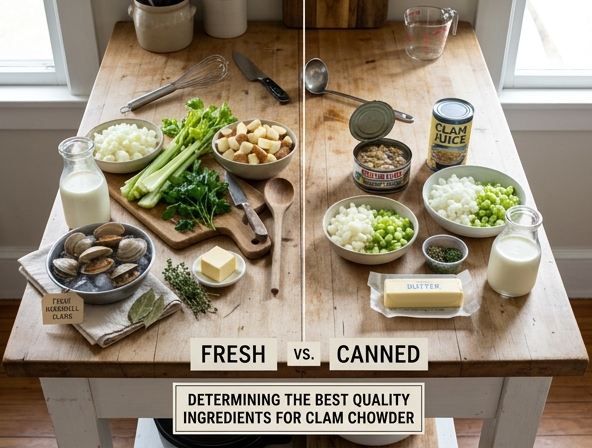
| Comparison Aspect | Canned Clams | Fresh Clams |
|---|---|---|
| Flavor Profile | Consistent, but lacks depth | Superior, briny complexity (e.g., Cedar Key) |
| Operational Impact | High efficiency and ease of use | Requires preparation and labor |
| Food Safety | Standardized risk management | Demands rigorous handling protocols |
| Strategic Goal | Operational consistency | Driving customer retention via quality |
Canned vs. Fresh for Clam Chowder: The Culinary Tug-of-War
There are few dishes as emblematic of coastal comfort as a steaming bowl of clam chowder. Whether you prefer the creamy, opaque luxury of a New England style or the clear, tomato-tinged brightness of a Manhattan version, the clam itself is the undisputed protagonist. Yet, a debate rages in home kitchens and professional culinary circles alike: Is fresh the only way to achieve greatness, or can high-quality canned clams hold their own in this oceanic masterpiece?
The Case for Fresh: The Gold Standard of Brine
For purists, the argument for fresh clams begins and ends with flavor. Freshly shucked clams-typically quahogs, littlenecks, or steamers-possess a complex, delicate sweetness and a "briny snap" that is difficult to replicate through industrial processing. When you shuck a clam yourself, you are not just getting the meat; you are capturing its "liquor." This natural clam juice is the lifeblood of a superior chowder. It contains enzymes and subtle mineral notes that are often lost during the high-heat sterilization processes required for canning.
Beyond flavor, there is the matter of texture. Fresh clams offer a firm, slightly chewy resilience that provides a satisfying mouthfeel. They aren't rubbery; they are supple. When handled correctly-added to the soup at the very last moment-fresh clams remain tender, providing a vibrant contrast to the soft, starchy cubes of potato that define the dish.
The Case for Canned: Convenience, Consistency, and Quality
While the romantic notion of standing over a sink with an oyster knife is undeniably appealing, it is not always practical. Canned clams have garnered a bad reputation as the "shortcut for the lazy," but this is an unfair assessment. In many professional kitchens, canned clams are a deliberate choice, and for good reason: consistency.
The canning process, when done by reputable seafood companies, preserves the clams in their own juice. Because the clams are harvested at their peak and processed immediately, you avoid the seasonal fluctuations and supply chain inconsistencies that can plague fresh shellfish. Furthermore, the convenience factor cannot be ignored. A pantry staple that allows you to whip up a rich, warming meal on a Tuesday night is a culinary tool, not a compromise.
However, the key to using canned clams lies in the sourcing. There is a world of difference between a budget-brand tin-often full of sandy bits and over-processed, rubbery clam strips-and a premium, hand-picked variety. When selecting canned, look for "chopped sea clams" that list minimal ingredients. The only things that should be in that can are clams and clam juice. If you see additives, preservatives, or excessive water, keep them back on the shelf.
Bridging the Gap: The Secret to High-End Chowder
Whether you choose fresh or canned, the quality of your chowder often comes down to how you treat the ingredient. The "rubber clam" phenomenon, which turns so many people against canned products, is almost always a result of overcooking. Clams are delicate. In a creamy chowder, they should be the final addition, gently warmed through by the residual heat of the soup base. They should never be boiled.
1. The Importance of the "Liquor"
Regardless of the clam source, the liquid base is paramount. If you are using canned clams, pour the liquid from the can through a fine-mesh sieve lined with a coffee filter. This removes the occasional grit that settles at the bottom of the tin. If you are using fresh clams, strain the shucking juices carefully. This liquid is your "umami bomb." Use it to deglaze your aromatics-the onions, celery, and leeks-to build a flavor foundation that permeates every layer of the dish.
2. The Texture Strategy
If you find that canned clams are too soft or lose their identity, try a "split approach." Use a portion of canned clams to provide a consistent, salty clam flavor throughout the soup base, and then finish the dish with a smaller amount of freshly sautéed clams. This provides both the deep, oceanic base note and the luxurious, meaty bites that gourmands crave.
Environmental Considerations and Sourcing
Determining the "best" ingredient also requires an ethical look at sustainability. Clams are generally one of the most sustainable seafood choices available, as they are filter feeders that require little to no external input to thrive. However, local sourcing is always superior for the environment. If you live on the coast, purchasing fresh, locally harvested clams supports regional economies and reduces the carbon footprint associated with shipping and canning. If you live inland, high-quality, responsibly sourced canned clams may actually be the more sustainable option, as they are shelf-stable and require less energy for storage and transportation compared to maintaining a fresh, cold-chain supply.
The Verdict
So, which is truly better? The answer lies in the intent of the meal. If you are preparing a celebratory Sunday dinner where the chowder is the centerpiece, fresh clams are non-negotiable. The process of shucking, the freshness of the product, and the connection to the sea provide an experience that a can simply cannot replicate.
However, for the workhorse chowder-the one that cures a cold, the one that fills a hungry family, the one that serves as a staple of the home kitchen-high-quality canned clams are a perfectly respectable, efficient, and delicious ingredient. By treating canned clams with respect, draining them properly, and avoiding the heat, you can elevate a "pantry meal" to something truly restaurant-worthy.
Ultimately, the best clam chowder is defined less by the vessel in which the clams arrived and more by the patience of the cook. A great chowder requires a slow-sweated mirepoix, the right amount of starch, a touch of cream, and a mindful approach to timing. Whether you shuck them yourself or pull a lid from the pantry, treat the clams as the treasure they are, and your bowl will never disappoint.
Disclaimer:
The information provided on Eateryn is for general educational and informational purposes only and is not intended as medical, nutritional, or healthcare advice. It should not be used to diagnose, treat, cure, or prevent any disease or medical condition.
Always consult a qualified physician, registered dietitian, or other certified healthcare professional before making changes to your diet, exercise routine, or lifestyle, or regarding any medical questions or concerns you may have. Never disregard or delay seeking professional medical advice because of something you have read on this website.