
Buttered vs Toasted for Philly Cheesesteak - Perfecting The Bun Preparation
Achieving the perfect Philly Cheesesteak balance is often elusive; buns frequently become either soggy from juice saturation or brittle from excessive heat. While many enthusiasts debate standard dry-toasting versus heavy buttering, the optimal method requires prioritizing structural integrity over preference alone. Note that bun variety remains the critical variable. For instance, a light griddle char creates a superior barrier compared to heavy butter searing. This guide outlines professional techniques to ensure the ideal toasted finish.
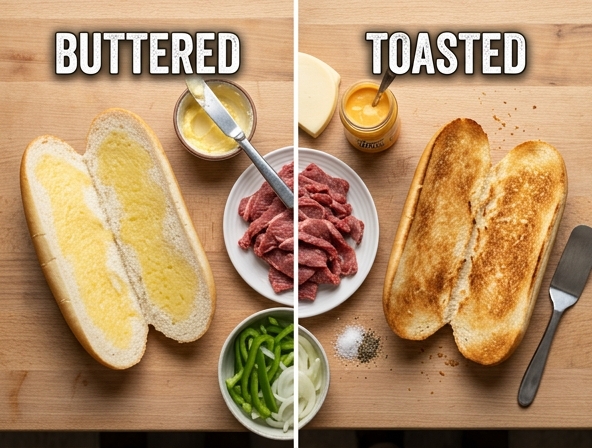
| Focus Area | Summary Detail |
|---|---|
| Core Challenge | Avoiding soggy buns due to meat juices or brittle buns from overheating. |
| Primary Goal | Ensuring structural integrity of the roll. |
| Critical Variable | The specific type of bun used is the most significant factor in success. |
| Recommended Technique | Light griddle char to create a protective barrier. |
| Method to Avoid | Heavy butter searing, which is less effective than a light char. |
Buttered vs. Toasted: The Art of the Perfect Philly Cheesesteak Bun
To the uninitiated, a Philly cheesesteak is merely meat, cheese, and onions stuffed into a roll. To the aficionado, however, the cheesesteak is a symphony of textures and temperatures, a delicate balance where every component plays a critical role. While much debate rages over the merits of Cheez Whiz versus provolone, or the necessity of fried onions, there is an often-overlooked variable that separates a soggy, forgettable sandwich from a transcendent culinary experience: the preparation of the bun.
The roll is the foundation. It is the vessel that must contain the juicy, decadent chaos of the filling without surrendering to its moisture. This leads us to the great debate of the Philadelphia streets: Should you butter, or should you toast?
The Anatomy of the Roll: Understanding the Amoroso Foundation
Before diving into the technique, we must acknowledge the soul of the sandwich: the Amoroso-style hearth-baked roll. These rolls are characterized by a soft, slightly chewy interior and a crust that is present but yielding. They are designed to be absorbent enough to soak up the juices of the shaved ribeye, but sturdy enough to prevent the sandwich from disintegrating in your hands.
When you take a roll fresh from the bag, it is neutral. By applying heat-either through dry toasting or butter-griddling-you are effectively "sealing" the interior of the bread. This process is not just about flavor; it is about engineering a physical barrier against the aggressive moisture of the cheesesteak filling.
The Case for Toasting: Structural Integrity Above All
For those who prioritize structural integrity, the dry toast is the gold standard. To toast the bun, you place the open-faced roll onto the flat-top grill until the interior achieves a golden, crunchy texture.
The primary benefit of the dry toast is the "crust" it creates. By removing moisture from the surface of the bread, you create a sponge that is less eager to soak up the grease and au jus from the meat immediately. This keeps the roll from turning into a mushy pulp within two bites. For the diner who eats their cheesesteak on the go, or who appreciates a defined "crunch" against the tenderness of the ribeye, the dry-toasted bun is indispensable. It provides a tactile contrast that keeps the palate engaged.
The Case for Buttering: The Luxury of Mouthfeel
On the other side of the aisle, proponents of the buttered roll argue that a cheesesteak is, by its very nature, an indulgent experience. Why stop at the meat? By slathering the inside of the roll with butter and griddling it until it reaches a deep, mahogany brown, you are adding a layer of rich, savory fat that harmonizes perfectly with the cheese.
Butter does more than just add flavor; it changes the texture of the bread. While toasting creates a crisp, biscuit-like surface, butter-griddling creates a soft, toasted-but-pliable layer. It adds a "melt-in-your-mouth" quality to the bread that feels significantly more premium. Furthermore, the butter prevents the bun from being too "thirsty," essentially creating a hydrophobic layer that allows the meat's juices to stay in the meat, rather than migrating into the bread.
The Hybrid Masterclass: The Gold Standard
If you want to achieve the absolute peak of cheesesteak perfection, you shouldn't choose between buttering and toasting-you should combine the two methodologies into a single, cohesive technique. This is the secret utilized by the best sub shops in Philadelphia.
Here is the professional workflow for the ultimate bun preparation:
- Step 1: The Butterfly. Slice your roll three-quarters of the way through, ensuring the hinge remains intact. Do not slice all the way through, or you lose the structural advantage of the "cradle" design.
- Step 2: The Butter Application. Use softened, unsalted butter. Spread it evenly across the interior faces of the bread. Do not use oil here; the milk solids in the butter are essential for that characteristic nuttiness and deep color.
- Step 3: The Controlled Sear. Place the buttered side down on a medium-high flat-top. The goal is a medium-brown toast. If the heat is too high, the butter will burn before the bread toasts; if too low, the bread will dry out like a crouton before it gains color.
- Step 4: The Finishing Touch. Once the interior is golden and crisp, remove it from the heat. Some purists recommend placing the roll in the oven for thirty seconds to warm the exterior crust, but be careful-this can dry out the roll if left for too long.
Heat Management: The Silent Killer
Regardless of whether you butter or toast, the most common mistake is impatience. Beginners often crank their burners to the maximum setting, hoping to char the bread quickly. This results in an uneven toast-black spots and soft, doughy patches. The perfect bun preparation requires a steady, consistent temperature. You are looking for a uniform, golden-brown hue across the entire surface of the bread.
If you are cooking at home, consider using clarified butter or a mix of butter and a high-smoke-point oil. This prevents the butter from smoking out your kitchen while still providing that rich, dairy-forward flavor that contrasts with the saltiness of the beef.
Final Verdict: The Personal Preference
At the end of the day, the debate between buttered and toasted is settled by what you value most in a sandwich. If you are a devotee of the "Philly experience"-a sandwich that is messy, dripping, and undeniably rich-the buttered, griddle-toasted roll is the only logical choice. It elevates the roll from a mere container to a functional, delicious component of the meal.
Whatever method you choose, remember that the bun should never be an afterthought. It is the first thing your hand touches, the first thing your teeth sink into, and the final boundary between you and a chaotic, delicious mess. Treat the bun with the same respect as the ribeye, and your cheesesteaks will move from home-cooked staples to legendary status.
Disclaimer:
The information provided on Eateryn is for general educational and informational purposes only and is not intended as medical, nutritional, or healthcare advice. It should not be used to diagnose, treat, cure, or prevent any disease or medical condition.
Always consult a qualified physician, registered dietitian, or other certified healthcare professional before making changes to your diet, exercise routine, or lifestyle, or regarding any medical questions or concerns you may have. Never disregard or delay seeking professional medical advice because of something you have read on this website.