
Butter vs Oil for Pancakes - Achieving the Perfect Golden Crust
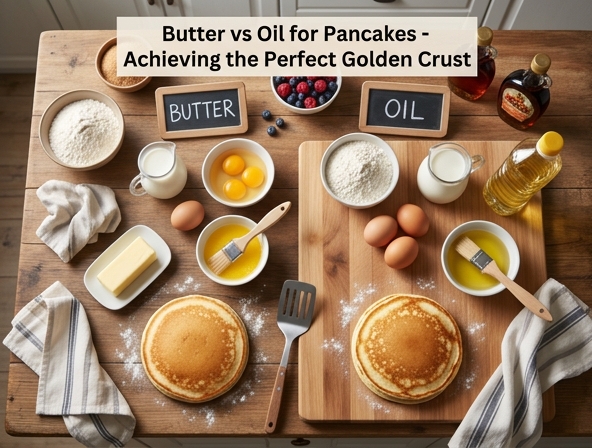
| Fat Type | Heat Tolerance | Flavor & Finish | Ideal For |
|---|---|---|---|
| Butter | Low (milk solids burn easily) | Rich, flavorful, traditional aroma | Achieving deep, golden richness |
| Oil | High (superior stability) | Neutral, crisp, uniform browning | Achieving a professional-grade sear |
| Clarified Butter | Medium-High | Buttery but cleaner finish | Best of both worlds: flavor and stability |
Butter vs. Oil for Pancakes: Achieving the Perfect Golden Crust
For many, the Sunday morning pancake ritual is a sacred culinary practice. We obsess over the hydration of the flour, the fold of the eggs, and the precise moment to flip that bubbling disc of batter. Yet, there is one element that often receives less attention than it deserves, despite being the primary architect of the pancake's exterior: the fat used in the pan. Should you reach for the butter, with its nostalgic aroma, or the oil, with its steadfast reliability? The battle between butter and oil for the perfect golden pancake crust is as old as the griddle itself, and the answer, as it turns out, lies in the chemistry of heat and the pursuit of texture.
The Chemistry of the Sear: Why Fat Matters
To understand why we use fat in a pancake pan, we must look at the Maillard reaction-the chemical process between amino acids and reducing sugars that gives browned food its distinctive flavor and color. Fat acts as a heat-conductive medium, ensuring that heat is transferred evenly from the hot surface of the pan to the batter. Without fat, your pancake would simply weld itself to the metal or ceramic, leading to a torn, unsightly mess rather than a culinary masterpiece.
However, not all fats are created equal. The fat you choose influences not just how the pancake releases from the pan, but the color, the crispness of the edge, and the overall flavor profile of the final dish.
Butter: The Gold Standard for Flavor
Butter is the traditionalist's choice. There is an unmistakable, nostalgic richness that only real butter provides. When you drop a knob of butter into a hot pan, the water content evaporates, leaving behind milk solids and fat. These milk solids (proteins and sugars) are the secret to that deep, mahogany-gold crust that makes pancakes look like they belong on a magazine cover.
The Pros of Butter:
- Flavor: The nutty, creamy depth of butter is unmatched. It enhances the sweetness of the batter and provides a savory-salty balance.
- Aesthetics: Because butter contains milk solids, it contributes to a more complex, mottled, and deep-brown browning pattern.
The Cons of Butter:
- Smoke Point: This is the butter lover's primary struggle. Butter begins to burn at approximately 300°F (150°C). If your pan is too hot, those lovely milk solids will turn acrid and black long before the center of the pancake is cooked through.
- Consistency: Achieving a perfectly even brown color is difficult with butter, as the milk solids tend to clump or burn in hot spots, potentially giving your pancake "leopard spots" that taste burnt.
Oil: The Reliable Workhorse
If butter is the temperamental artist of the kitchen, neutral oil is the disciplined technician. Using a high-smoke-point oil-such as canola, grapeseed, or even a very light avocado oil-allows you to control the heat with much higher precision. Because oil is 100% fat and contains no milk solids, it will not burn until it reaches a significantly higher temperature, usually well above 400°F.
The Pros of Oil:
- Even Browning: Oil creates a seamless, uniform golden sheen across the entire surface of the pancake. It is the gold standard for that "restaurant-style" professional appearance.
- Crispness: Because oil can handle higher heat, it allows for a faster sear. A hotter pan means the exterior of the pancake crisps up immediately, providing that delightful "crunch-to-fluff" ratio.
- Stability: You don't have to worry about black specks or bitter flavors. You can maintain a consistent heat level throughout the entire batch.
The Cons of Oil:
- Lack of Flavor: Oil provides the texture but contributes nothing to the palate. If you use a neutral oil, you are strictly relying on the batter for flavor.
The Hybrid Strategy: The Best of Both Worlds
If you find yourself torn between the rich flavor of butter and the perfect, reliable sear of oil, you are not alone. Many professional breakfast cooks utilize a "hybrid" approach to achieve the perfect pancake.
The secret lies in using a small amount of neutral oil for the base heat conductivity and adding a small amount of butter for the flavor profile. Alternatively, you can use clarified butter (ghee). By removing the milk solids, ghee provides the high smoke point of oil with the delicious flavor of butter. It is, quite literally, the best of both worlds. If you don't have ghee on hand, simply wipe your pan with a tiny amount of oil using a paper towel, then add a small slice of butter just before dropping the batter. The oil protects the butter, effectively raising its smoke point and preventing it from burning while still infusing the pancake with that iconic buttery aroma.
Expert Tips for the Perfect Golden Crust
Beyond the choice of fat, technique is paramount. Regardless of whether you choose butter or oil, keep these factors in mind:
1. Temperature Control
Pancakes should be cooked over medium heat. If your pan is too hot, the outside will burn while the middle remains raw. If it's too low, the pancake will steam rather than sear, resulting in a pale, rubbery exterior. Invest in a thick-bottomed non-stick skillet; the even heat distribution makes a world of difference.
2. The "Wipe-Down" Method
The most common mistake is pooling too much fat in the pan. This causes the pancake to fry like a fritter, resulting in a greasy, uneven texture. Instead, use a folded paper towel to lightly coat the pan with your chosen fat. Between every batch, wipe the pan clean to remove any burnt bits of batter or spent milk solids, then re-apply a fresh, thin layer of fat. This ensures every pancake looks as golden and perfect as the first.
3. Mind the Batter
The sugar content in your batter matters. If your recipe includes a lot of sugar, it will brown much faster than a savory or low-sugar batter. If you find your pancakes darkening too quickly, dial the heat back slightly to give the inside time to cook without compromising the golden-brown exterior.
The Final Verdict
So, which should you choose? For everyday pancakes where reliability and a crisp, even texture are the priorities, a light coating of neutral oil is the clear winner. It allows you to maintain consistent heat, ensures a beautiful uniform color, and avoids the bitter taste of burnt milk solids.
However, for the Sunday morning indulgence-when the flavor is the main event and you have the patience to manage the heat-butter remains king. If you go this route, consider the clarified butter approach to get that rich flavor without the risk of burning. Ultimately, the perfect pancake is not just about the recipe, but about the marriage of your choice of fat and your attention to the pan. Experiment with both, master the heat, and you'll be well on your way to achieving that elusive, perfect golden crust.
Disclaimer:
The information provided on Eateryn is for general educational and informational purposes only and is not intended as medical, nutritional, or healthcare advice. It should not be used to diagnose, treat, cure, or prevent any disease or medical condition.
Always consult a qualified physician, registered dietitian, or other certified healthcare professional before making changes to your diet, exercise routine, or lifestyle, or regarding any medical questions or concerns you may have. Never disregard or delay seeking professional medical advice because of something you have read on this website.