
Breaded Vs Naked For Buffalo Wings - Exploring The Best Texture Experience
Breaded Vs Naked: Perfecting Buffalo Wings
Choosing the ideal buffalo wing texture is a common challenge for culinary professionals. While traditional frying remains the industry standard, deciding between breaded or naked preparations is pivotal. Breading offers a consistent, satisfying crunch, whereas naked wings rely on properly rendered fat for a signature crisp finish. Understanding these nuances-specifically how each texture manages sauce absorption-is essential. The following guide explores these distinct methods, comparing performance to help you elevate your signature wing program.
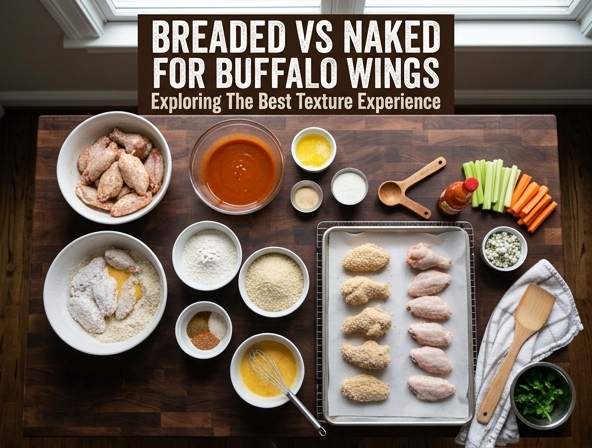
| Comparison Aspect | Breaded Wings | Naked Wings |
|---|---|---|
| Texture Profile | Offers a consistent, satisfying, and uniform crunch. | Relies on properly rendered fat for a signature crispy finish. |
| Sauce Absorption | High retention; the breading acts as a sponge for sauces. | Moderate; relies on the surface texture of the skin. |
| Culinary Focus | Ideal for menus prioritizing added texture and consistency. | Preferred for traditionalist approaches and authentic wing experiences. |
| Preparation Goal | Optimizing the coating-to-sauce ratio. | Perfecting the fat-rendering process during frying. |
Breaded Vs. Naked: Exploring the Ultimate Buffalo Wing Texture Experience
In the pantheon of pub appetizers and game-day staples, few items spark as much passionate debate as the humble chicken wing. Beyond the spice level or the specific variety of hot sauce, the primary divide among wing aficionados is one of structural integrity: do you prefer your wings breaded or naked? It is a question of texture, chemistry, and culinary philosophy. For some, the crisp, flour-dusted exterior of a breaded wing is the pinnacle of indulgence; for others, the naked, deep-fried skin of a traditional Buffalo wing is the only authentic path.
The Case for the Naked Wing: The Traditionalist's Choice
To understand the "naked" wing, one must look toward its birthplace: Buffalo, New York. In the traditional preparation, the wing is seasoned, deep-fried until the skin is rendered golden and crisp, and then tossed directly in a butter-and-vinegar-based cayenne sauce. There is no intermediary layer of flour, cornstarch, or batter.
The Science of the Skin
The naked wing relies entirely on the quality of the chicken skin. When properly prepared-often involving a dry-brine process to pull out excess surface moisture-the skin undergoes a dramatic transformation during the frying process. As the fat renders out, the skin bubbles and turns into a thin, glass-like shard of flavor. This provides a "snap" that is unique to the naked preparation.
Sauce Adherence and Texture
A primary benefit of the naked wing is its relationship with the sauce. Because there is no breading to act as a sponge, the sauce coats the skin directly. This preserves the integrity of the texture; the wing remains crispy longer, as it isn't soaking up heavy liquid into a thick doughy crust. It is a cleaner, more direct experience where the primary focus remains on the quality of the chicken itself.
The Case for the Breaded Wing: The Texture Enthusiast
On the other side of the aisle, we find the breaded wing. Whether dusted in a light coating of seasoned flour or dipped in a tempura-style batter, the breaded wing offers a completely different mouthfeel. For those who prioritize a significant crunch, the breaded wing is often the superior choice.
The Power of the Crust
The breaded wing creates a structural architecture that allows for complexity. A seasoned flour coating, often featuring garlic powder, onion powder, paprika, and black pepper, adds a layer of savory intensity that the naked wing simply cannot replicate. When this coating hits the hot oil, it creates a craggy, golden-brown exterior that is designed to trap sauce in its nooks and crannies.
The Sponge Effect
Unlike the naked wing, the breaded wing acts as a vessel. The breading absorbs a portion of the Buffalo sauce, creating a "saucy-crunch" hybrid texture that many diners find addictive. It softens the aggressive heat of the chili, marrying the sauce and the crust into a singular, cohesive bite. This makes it a popular choice for those who want a more substantial, filling snack.
Comparative Analysis: Which Texture Reigns Supreme?
The "better" texture depends entirely on what you are looking for in a dining experience. To help you decide, we can break it down by the sensory experience:
- The "Snap" Factor: If you value a clean, sharp, shattering bite, the naked wing is unrivaled. It feels lighter and is arguably the more sophisticated choice for pairing with blue cheese dip.
- The "Crunch" Factor: If you are looking for a satisfying, hearty crunch that holds up against a heavy coat of thick sauce, breading is the way to go. It transforms the wing into a piece of "comfort food" in the truest sense.
- Sauce Absorption: The naked wing is for the purist who wants to taste the vinegar and heat directly on the meat. The breaded wing is for the enthusiast who wants a marriage of flavors where the breading acts as a flavor-carrier.
Cooking Techniques: Tips for Both Styles
Regardless of your preference, achieving the perfect texture at home requires specific techniques:
For the Perfect Naked Wing:
The secret is moisture control. Pat your wings thoroughly dry with paper towels. Many chefs recommend a light dusting of baking powder (not baking soda) before frying; this raises the pH level of the skin, causing it to brown and crisp significantly faster than it would on its own, mimicking the effect of a long dry-age.
For the Perfect Breaded Wing:
To avoid a soggy, gummy crust, avoid thick batters. A simple dry-dredge in seasoned cornstarch or rice flour yields a much lighter, crunchier result than a traditional wet batter. The starch granules provide a crispiness that flour alone can't achieve, ensuring the wing stays crunchy even after it has been sitting in a puddle of Buffalo sauce for several minutes.
The Verdict
Ultimately, the battle between breaded and naked is not a zero-sum game. There is a time and place for both. The naked wing is the quintessential bar snack-light, acidic, and perfectly complemented by the pungency of blue cheese. It honors the history of the dish. The breaded wing, conversely, is an evolution of pub food, offering a tactile satisfaction that feels heavier and more rewarding during a long Sunday of football.
When selecting your wings, ask yourself: do I want to taste the chicken, or do I want to taste the crust? The beauty of the wing is that it is a blank canvas. Whether you lean toward the crisp-skinned traditionalist style or the hearty, crunchy breaded variety, the ultimate goal remains the same: a perfect balance of heat, fat, and texture that makes the Buffalo wing one of the world's most enduring culinary creations.
Disclaimer:
The information provided on Eateryn is for general educational and informational purposes only and is not intended as medical, nutritional, or healthcare advice. It should not be used to diagnose, treat, cure, or prevent any disease or medical condition.
Always consult a qualified physician, registered dietitian, or other certified healthcare professional before making changes to your diet, exercise routine, or lifestyle, or regarding any medical questions or concerns you may have. Never disregard or delay seeking professional medical advice because of something you have read on this website.