
Bell Peppers vs Carrots For Meatloaf - Selecting The Best Vegetable Additions
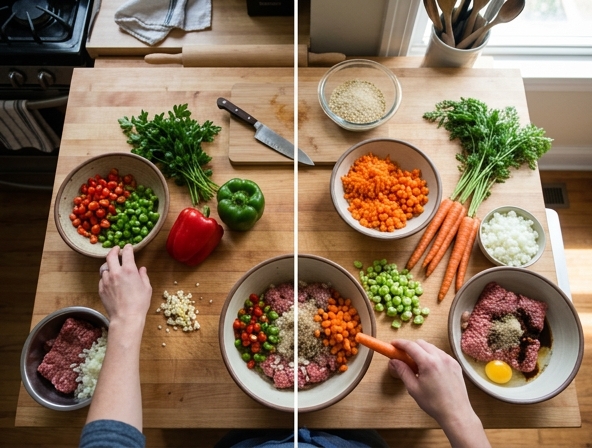
| Vegetable | Flavor Profile | Texture/Structural Impact | Moisture Management |
|---|---|---|---|
| Bell Peppers | Adds a mild, natural sweetness. | Softens the overall texture of the meatloaf. | Higher water content; requires careful management to prevent excess sogginess. |
| Carrots | Adds a subtle, earthy depth. | Provides structural integrity and firm bites. | Generally lower moisture; helps maintain the loaf's shape. |
The Culinary Debate: Enhancing Your Meatloaf with Vegetables
Meatloaf is the quintessential comfort food-a dense, savory, and nostalgic dish that serves as a blank canvas for the home cook. While a classic recipe often relies on breadcrumbs, eggs, and a blend of ground meats, the true secret to elevating a meatloaf from "dry and ordinary" to "moist and flavorful" lies in the vegetable additions. Among the most debated ingredients are bell peppers and carrots. Both offer distinct advantages in terms of texture, flavor profile, and moisture retention, leading many cooks to wonder which, if either, reigns supreme.
The Case for Carrots: Sweetness and Structure
Carrots are often overlooked in the meatloaf conversation, yet they bring a subtle, earthy sweetness that balances the saltiness of the beef or pork. When incorporated correctly, carrots perform a dual role: they provide a foundational flavor and a gentle textural contrast.
The primary benefit of using carrots is their natural sugar content. As the meatloaf bakes, these sugars undergo a mild caramelization, adding depth to the overall savory profile. From a structural standpoint, finely grated carrots add a slight "bite" without being obtrusive. However, the preparation method is vital. If you simply chop carrots into cubes, they will remain crunchy and disjointed from the meat. The professional approach is to grate them finely or use a food processor to pulse them into small bits. This allows them to integrate seamlessly into the protein matrix, ensuring every slice is cohesive.
The Case for Bell Peppers: Moisture and Aromatics
Bell peppers, particularly green or red, are standard members of the culinary "holy trinity" and for good reason. They are essentially little pockets of moisture and aromatics. Unlike carrots, which are dense and fibrous, bell peppers have a high water content.
When added to meatloaf, bell peppers act as a hydration agent. As they cook, they release their moisture into the meat, effectively steaming the loaf from the inside out and preventing the protein from drying out during the long baking process. Furthermore, bell peppers bring a bright, slightly acidic, and herbaceous note to the dish. Red bell peppers, in particular, offer a sweeter profile that complements the typical brown sugar or ketchup-based glazes often found atop a traditional meatloaf.
Comparative Analysis: Flavor and Texture Profiles
To determine which vegetable is "best," we must look at what you want your meatloaf to accomplish.
- Flavor: Carrots provide an earthy, mellow sweetness that leans toward comfort and traditional farmhouse flavors. Bell peppers provide a sharper, more vibrant, and aromatic profile that borders on a "Cajun-inspired" or Mediterranean flavor palette.
- Texture: If your meatloaf often turns out too crumbly, carrots help bind the meat together slightly as they soften. If your meatloaf tends to be dry or tough, the moisture-heavy bell pepper is your best defense.
- Cooking Time: Both vegetables should be pre-cooked. Adding raw vegetables to a meatloaf is a common mistake that leads to pockets of steam and liquid, preventing the meat from browning and holding its shape. Whether you choose carrots or peppers, a quick sauté in a pan with some butter or olive oil is essential to draw out their flavors and remove excess water before mixing them into your raw meat blend.
The Hybrid Approach: Finding the Balance
Is it a binary choice? Certainly not. In fact, many high-end culinary traditions suggest using both. By combining the sweetness of finely grated carrots with the moisture and aroma of finely diced red bell peppers, you create a complex flavor profile that appeals to a wider range of palates.
The key to a successful hybrid meatloaf is ratio management. A good rule of thumb is to maintain a ratio of two parts protein to one part vegetable mixture. If you use too many vegetables, the meatloaf will lose its structural integrity and fall apart when sliced. If you use too few, you won't reap the benefits of the aromatics. By balancing the crunch/sweetness of the carrots with the hydration/acidity of the peppers, you achieve a meatloaf that is succulent, well-seasoned, and texturally sophisticated.
Pro Tips for Vegetable Integration
Regardless of which vegetable you select, the success of your meatloaf depends on your knife skills-or your food processor.
- The Sauté Method: Always sweat your vegetables in a pan first. This concentrates the flavor. If you put raw onions, peppers, or carrots into the meatloaf, they will release their water while baking, potentially turning your meatloaf into a soggy mess.
- Cooling Before Mixing: Always allow your sautéed vegetables to cool to room temperature before folding them into the raw meat. Adding hot vegetables to raw meat can raise the temperature of the meat prematurely, which can lead to bacterial growth and affect the texture of the fat, potentially causing the meatloaf to become greasy.
- Consistency is Key: Ensure that all vegetable pieces are approximately the same size. If you have some giant chunks of carrot and some tiny pieces of pepper, the meatloaf will cook unevenly, and the structural integrity will be compromised.
Conclusion: Which Should You Choose?
Choosing between bell peppers and carrots is less about "better" and more about "what does this meatloaf need?" If you are looking for a classic, sweet, and comforting profile, go with the carrots. If you are looking to create a juicier, more aromatically complex loaf, bell peppers are the clear winner.
However, if you want the ultimate meatloaf-the kind that gets requested at family gatherings-don't be afraid to break the rules of the debate. Embrace the hybrid. By layering the earthy sweetness of carrots with the bright, moisturizing properties of bell peppers, you bring out the best in both. At the end of the day, a great meatloaf is defined by the care put into its preparation, and incorporating fresh, well-prepped vegetables is the hallmark of a cook who understands the importance of layering flavor.
Disclaimer:
The information provided on Eateryn is for general educational and informational purposes only and is not intended as medical, nutritional, or healthcare advice. It should not be used to diagnose, treat, cure, or prevent any disease or medical condition.
Always consult a qualified physician, registered dietitian, or other certified healthcare professional before making changes to your diet, exercise routine, or lifestyle, or regarding any medical questions or concerns you may have. Never disregard or delay seeking professional medical advice because of something you have read on this website.