
Beef vs Pork for Hot Dog - Choosing the Best Meat Base
Beef vs Pork for Hot Dog: Choosing the Best Meat Base
Selecting the ideal meat base for hot dogs often proves overwhelming for producers balancing texture and flavor. While standard industry sources typically rely on generic blends, true artisanal quality requires intentional selection. Understanding the distinct characteristics of beef versus pork unlocks superior consistency and profitability. Note that local sourcing regulations must govern your final decision. Brands like Nathan's or classic German frankfurters demonstrate market success. This analysis evaluates how these profiles influence customer satisfaction and production standards.
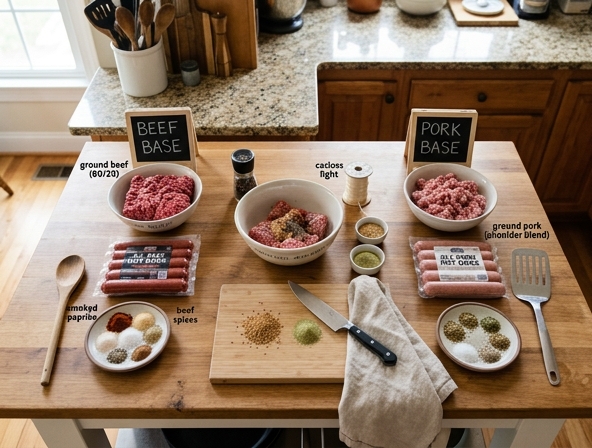
| Category | Details |
|---|---|
| Core Topic | Choosing between beef and pork as the primary meat base for hot dogs. |
| Main Objective | Balancing flavor, texture, and profitability to achieve artisanal quality. |
| Key Considerations | Adherence to local sourcing regulations and achieving brand consistency. |
| Market Examples | Nathan's Famous and traditional German frankfurters. |
Beef vs. Pork for Hot Dogs: Choosing the Best Meat Base
The humble hot dog is a global icon of convenience, nostalgia, and culinary delight. Whether you are at a backyard barbecue, a bustling baseball stadium, or a late-night street cart, the hot dog is the great equalizer of food. However, beneath the bun, the mustard, and the relish lies a debate that has divided backyard grill masters and professional butchers for decades: beef versus pork. Choosing the right meat base isn't just a matter of availability; it is a fundamental decision that dictates the flavor profile, texture, and overall eating experience of the frankfurter.
The Case for the All-Beef Frankfurter
In many regions of the United States, the "All-Beef" label is considered the gold standard of hot dog quality. This preference is deeply rooted in both culinary tradition and cultural requirements. Beef franks, particularly those modeled after the classic New York deli style, offer a distinctively robust, savory, and slightly salty profile.
When you bite into a high-quality beef hot dog, you are tasting a product that relies on the richness of bovine fat and protein. Beef tends to have a more "iron-heavy" or earthy flavor that pairs exceptionally well with bold condiments like spicy brown mustard, raw onions, and sauerkraut. Because beef is leaner than pork, the texture of an all-beef dog is often firmer and more "snappy" when encased in natural sheep casing. For consumers who avoid pork for religious or health-related reasons, the all-beef hot dog provides a reliable, high-quality standard that doesn't compromise on flavor.
The Richness of Pork: The Traditional European Root
While the American hot dog often leans toward beef, the history of the sausage-the ancestor of the modern hot dog-is firmly rooted in pork. European-style sausages, such as the German Frankfurter or the Austrian Wiener, traditionally utilized pork or a mix of pork and beef.
Pork offers a higher fat content than beef, which leads to a noticeably juicier and more succulent hot dog. Pork fat carries flavor exceptionally well, providing a silky mouthfeel that some beef dogs lack. A pure pork hot dog has a sweetness and a depth that is more subtle than the punchy, savory nature of beef. In regions where pork production is local and plentiful, pork-based hot dogs are favored for their melt-in-the-mouth quality. If you appreciate a hot dog that feels indulgent and pairs well with milder, creamier toppings like coleslaw or mayo-based sauces, pork is often the superior choice.
The "Blend" Compromise: Best of Both Worlds
Many commercial and artisanal manufacturers have realized that you do not necessarily have to choose one over the other. A significant percentage of the hot dogs sold in the United States are actually a blend of beef and pork. This combination is often considered the "sweet spot" of sausage making.
By blending beef and pork, producers leverage the unique strengths of both proteins: the savory intensity and structural integrity of the beef, combined with the juiciness and rich fat content of the pork. The result is a balanced hot dog that maintains a firm "snap" when bitten while remaining tender and juicy on the inside. Most competitive-grade hot dogs utilize this blend, as it creates a more complex flavor profile that satisfies a wider range of palates. If you find all-beef dogs too dry or all-pork dogs too fatty, the blended frankfurter is almost certainly your ideal match.
Texture and the Role of the Casing
Regardless of whether you choose beef, pork, or a blend, the "snap" is non-negotiable for enthusiasts. The texture of a hot dog is influenced as much by its casing as its meat base.
- Natural Casings (Sheep or Hog): These offer that classic, audible "pop" when you bite down. They hold the meat juices inside and provide a traditional mouthfeel.
- Collagen/Cellulose Casings: These are often peeled off before sale or are skinless. They offer a uniform, softer bite that many children and casual eaters prefer.
A high-quality pork dog in a natural casing often provides the most satisfying "juice release" upon the first bite, whereas a beef dog in a natural casing emphasizes the structural snap of the protein itself.
Cooking Methods: How the Meat Base Performs
Different meat bases respond differently to heat:
- Grilling: Beef hot dogs hold up remarkably well on a high-heat grill. Their lower moisture content compared to pork prevents them from becoming mushy, and the Maillard reaction on the beef surface provides a great charred flavor.
- Steaming: This is where pork-heavy or blended hot dogs shine. Steaming keeps the higher fat content inside the casing, preventing the hot dog from drying out and ensuring that each bite remains plump and juicy.
- Boiling: Boiling is a gentle method that works for any meat base, but it is often the preferred method for natural-casing pork hot dogs to ensure they are heated through without splitting the casing.
Final Considerations: Nutrition and Ethics
When selecting your hot dog, consider the ingredient list. Pork-based products are often higher in saturated fats, while beef-based products may contain higher levels of sodium. In recent years, both categories have seen improvements in quality, with many brands moving toward "uncured" options that use natural celery juice powder instead of synthetic nitrates. Always check the label-regardless of the animal, the quality of the trim (the cuts of meat used) matters more than the species itself.
Conclusion: The Verdict
There is no "wrong" choice in the beef vs. pork debate; there is only the choice that best suits your meal. If you are preparing a Chicago-style dog with heavy, acidic toppings, an all-beef frank is the only way to stand up to those flavors. If you are hosting a casual backyard cookout and want a succulent, crowd-pleasing dog that pairs perfectly with beer and coleslaw, a pork-heavy blend is likely to win the day.
Ultimately, the best hot dog is the one that tastes like comfort. Whether you prefer the earthy, savory punch of beef, the decadent, juicy sweetness of pork, or the harmonious balance of a custom blend, the hot dog remains a testament to the versatility of meat. Experiment with different brands, pay attention to the casing, and most importantly, find the flavor profile that makes your taste buds sing.
Disclaimer:
The information provided on Eateryn is for general educational and informational purposes only and is not intended as medical, nutritional, or healthcare advice. It should not be used to diagnose, treat, cure, or prevent any disease or medical condition.
Always consult a qualified physician, registered dietitian, or other certified healthcare professional before making changes to your diet, exercise routine, or lifestyle, or regarding any medical questions or concerns you may have. Never disregard or delay seeking professional medical advice because of something you have read on this website.