
Bacon Wrap vs Glazed Crust For Meatloaf - Creating The Best Savory Topping
Achieving the perfect meatloaf crust often results in either dry textures or burnt glazes, leaving chefs frustrated. While many rely on standard ketchup-based finishes or conventional oven settings, selecting the optimal topping grants a superior balance of moisture and flavor. Note that success depends heavily on fat ratios and controlled heat exposure. From hickory-smoked bacon wraps to complex balsamic-honey reductions, these methods transform simple comfort food. This analysis compares both techniques to elevate your culinary results.
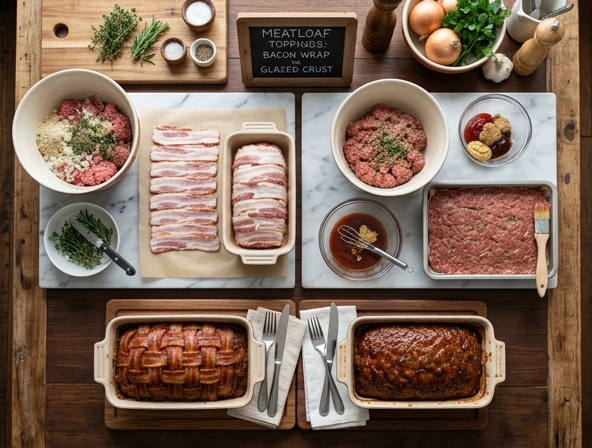
| Technique | Primary Mechanism | Key Benefit | Potential Risk |
|---|---|---|---|
| Bacon Wrap | Renders fat into the meat during cooking. | Locks in moisture and adds savory, smoky depth. | Uneven crispness if heat isn't regulated. |
| Glazed Crust | Caramelization of sugars (e.g., honey, ketchup). | Provides intense, concentrated flavor and appealing color. | Burning or bitterness if temperature is too high. |
Bacon Wrap vs. Glazed Crust: Creating the Ultimate Meatloaf Topping
The meatloaf is perhaps the most debated dish in the American culinary canon. Often relegated to the realm of "comfort food," it is frequently misunderstood as a simple, throw-it-together dinner. Yet, for the home cook seeking excellence, the meatloaf represents a specific architectural challenge: how do you balance the moisture of the interior with the texture of the exterior? The answer lies in the crown jewel of every loaf-the topping.
When it comes to elevating a standard meatloaf, the culinary world generally divides into two camps: the Bacon Wrappers, who prioritize savory richness and fat rendering, and the Glazed Crust enthusiasts, who prefer the interplay of sweet, tangy, and caramelized sugars. Deciding between the two isn't just a matter of taste; it's a decision that fundamentally alters the texture and finish of your meal.
The Case for the Bacon Wrap: The Umami Shield
The bacon wrap is the heavyweight champion of moisture retention. By shrouding the meatloaf in a lattice of thin-sliced, high-quality bacon, you are essentially creating an edible protective barrier. As the meatloaf bakes, the fat from the bacon renders slowly, basting the exterior of the loaf and infusing the outer layer of ground meat with an unmatched depth of smoke and salt.
Why It Works
- Moisture Sealing: The bacon acts as a barrier, preventing the dry, heat-cracked edges that plague lesser meatloaves.
- Umami Bomb: The salt from the curing process, combined with the rendered fat, creates a natural gravy that seeps into the top layer of the meat.
- Visual Impact: A perfectly woven bacon lattice creates a restaurant-quality presentation that turns a humble loaf into a centerpiece.
To master the bacon wrap, precision is key. A simple overlapping pattern is fine, but a tight, woven lattice-where bacon strips are interlaced-ensures even coverage. The trick is to ensure the bacon is not too thick. Standard-cut bacon works best; thick-cut bacon often fails to crisp up before the meatloaf's internal temperature reaches its target, leaving you with chewy, undercooked fat.
The Case for the Glazed Crust: The Sweet and Tangy Finish
If the bacon wrap is about richness, the glazed crust is about balance. A meatloaf, at its core, is a heavy, savory dish. Without an acidic or sweet counterpoint, it can feel monotonous on the palate. This is where the glaze comes in. Whether it's a classic ketchup-brown sugar mix, a tangy balsamic reduction, or a smoky BBQ glaze, the purpose is to create a Maillard-reaction-heavy surface that cuts through the fat of the ground beef and pork.
Why It Works
- Flavor Contrast: The vinegar in ketchup or the acidity in balsamic vinegar creates a sharp contrast to the savory, fatty meat.
- Caramelization: Under high heat, the sugars in the glaze caramelize, creating a tacky, deeply flavorful "crust" that provides a textural counterpoint to the soft interior.
- Nostalgia: For many, the sticky, red-glossed top of a meatloaf is the definitive comfort food experience.
The secret to a superior glaze is timing. If you apply the glaze at the start of the bake, the sugars will burn long before the loaf is cooked through. The professional approach is to bake the loaf until it is roughly 20-30 minutes from completion, then brush on the glaze. This allows it to set, bubble, and thicken without becoming bitter or burnt.
Comparing the Two: Texture and Structural Integrity
When choosing your topping, you must consider the "bake profile" of your recipe. If your meatloaf is very lean (using turkey or extra-lean beef), the bacon wrap is almost mandatory. Lean meats lack the intramuscular fat necessary to stay juicy during the long bake time; the bacon provides the necessary lipids to compensate for this deficiency.
Conversely, if you are using a rich mix of pork, beef, and veal, a heavy bacon wrap might make the dish feel greasy. In this scenario, a sharp, acidic glaze is preferable. The glaze acts as a palate cleanser, breaking up the density of the meat and preventing flavor fatigue.
The Hybrid Approach: The "Best of Both Worlds" Strategy
Is it possible to have both? Absolutely. The hybrid method involves wrapping the loaf in a thin layer of bacon to ensure moisture retention, baking it for the majority of the time, and then, in the final 15 minutes, brushing a glaze over the bacon itself.
This "Glazed Bacon" method requires a careful touch. You need a glaze that is thick enough to cling to the bacon strips-something with a bit of molasses or honey-and a broiler setting that can quickly finish the exterior without incinerating the sugar. The result is a savory, smoky, sweet, and sticky crust that offers a complex flavor profile that neither topping could achieve alone.
Expert Tips for the Perfect Topping
Regardless of which method you choose, keep these three expert rules in mind:
- Temperature Matters: Always use a digital meat thermometer. Regardless of how good your topping looks, the meatloaf must hit 160°F (71°C) to be safe and perfectly cooked.
- The Rest is Non-Negotiable: A meatloaf needs to rest for at least 15 minutes after exiting the oven. This allows the juices to redistribute and ensures that when you slice it, your beautiful bacon wrap or glossy glaze doesn't slide off in a messy heap.
- Don't Overwork the Meat: The topping will only save you if the interior is tender. Handle the meat as little as possible. If the meat is packed too tightly, no amount of bacon or glaze will make the loaf feel light and moist.
The Final Verdict
The choice between bacon and glaze ultimately comes down to your personal definition of comfort. If you crave an indulgent, rich, and deeply savory experience, the bacon wrap is your ally. If you prefer a sophisticated interplay of flavors that cuts through the richness of the meat, the glazed crust is the superior choice.
Perhaps the beauty of the meatloaf lies in its versatility. It is a canvas, and you are the artist. Whether you reach for the bacon or the glaze, the goal remains the same: to transform a humble mixture of ground meat into something memorable. Don't be afraid to experiment-try the hybrid approach, or create your own signature glaze-because when it comes to the meatloaf, the topping is where the soul of the dish resides.
Disclaimer:
The information provided on Eateryn is for general educational and informational purposes only and is not intended as medical, nutritional, or healthcare advice. It should not be used to diagnose, treat, cure, or prevent any disease or medical condition.
Always consult a qualified physician, registered dietitian, or other certified healthcare professional before making changes to your diet, exercise routine, or lifestyle, or regarding any medical questions or concerns you may have. Never disregard or delay seeking professional medical advice because of something you have read on this website.