
Bacon Vs. Avocado For Burger - Top Luxury Add-On
Selecting the ideal premium topping is a common dilemma for diners seeking to elevate a standard burger. While traditional condiments like ketchup and cheese establish a baseline, choosing between bacon and avocado introduces a sophisticated culinary dimension.
Stipulation: Achieving maximum impact depends on ingredient quality and precise preparation.
Crispy, cured bacon offers essential textural crunch, whereas creamy Hass avocado provides a rich, buttery finish. This analysis evaluates how these distinct profiles best enhance your next gourmet experience.
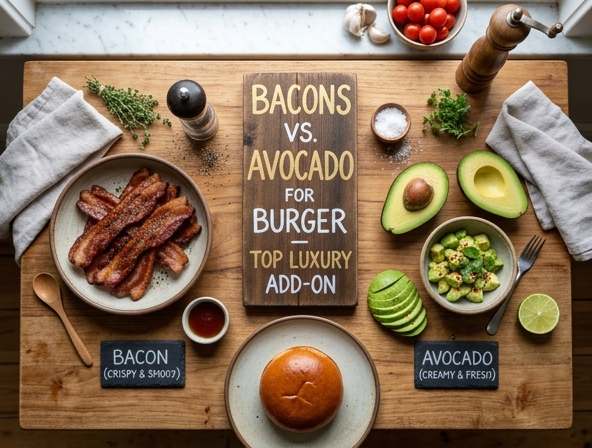
| Topping | Flavor Profile | Culinary Contribution |
|---|---|---|
| Bacon | Cured and savory | Provides essential textural crunch and a salty depth. |
| Avocado | Creamy and buttery (Hass) | Adds a rich, smooth finish to balance the burger. |
| Note: Success depends on high-quality ingredients and precise preparation. | ||
The Ultimate Burger Battle: Bacon vs. Avocado
The hamburger is arguably the most democratic culinary icon in the world. It is a humble canvas upon which we project our desires for indulgence, comfort, and sophistication. While the foundation-a perfectly seasoned patty of high-quality beef on a toasted bun-is non-negotiable, the debate over "luxury" add-ons is where the true connoisseurship happens. Among these, two titans stand above the rest: the smoky, crispy saltiness of bacon and the velvety, cool richness of avocado.
Both ingredients elevate a simple sandwich into a decadent meal, yet they represent entirely different philosophies of flavor. Choosing between them is not merely a matter of preference; it is a declaration of what you want your dining experience to be. Let us break down this clash of the titans to determine which luxury add-on deserves the crown.
The Case for Bacon: The King of Umami
Bacon is the classic heavyweight champion of the burger world for a reason. Its inclusion transforms a burger into a sensory symphony. When bacon is cooked to a perfect, glass-like crisp, it introduces a textural contrast that is essential to the burger-eating experience. You have the soft yield of the bun, the juicy resistance of the beef, and then-the snap. That mechanical crunch is deeply satisfying.
Beyond texture, bacon brings an undeniable power: salt and smoke. The rendering of bacon fat during the grilling process infuses the meat patty with an extra layer of savory depth. It acts as a flavor enhancer, amplifying the beefy notes of the burger. For many, a burger without bacon feels like an unfinished thought. It satisfies a primal craving for fat and salt, anchoring the meal in tradition while providing a robust, salty bite that cuts through the richness of melted cheddar or American cheese.
The Case for Avocado: The Modern Creamy Upgrade
If bacon is the assertive, loud-mouthed life of the party, avocado is the sophisticated, modern guest who changes the tone of the conversation. The inclusion of fresh, ripe avocado on a burger is a relatively modern "luxury" evolution that speaks to a desire for depth and silkiness. Unlike the harsh, aggressive salt of bacon, avocado offers a muted, buttery elegance.
Avocado is about the "mouthfeel." It provides a cooling, fatty richness that acts as a soothing counterpoint to the heat of a grilled patty. When you bite into a burger topped with perfectly sliced avocado, the fruit smushes and melds with the juices of the meat, creating a cohesive, almost sauce-like experience. It brings a "California-cool" vibe to the dish, making the burger feel lighter, fresher, and dare we say, more refined. For those who find bacon too salty or overwhelming, the avocado provides a luxurious, plant-based decadence that rounds out the sharp edges of pickles, mustard, or spicy peppers.
Head-to-Head: Texture, Flavor, and Structural Integrity
When placing these two side-by-side, we must consider the culinary interplay:
- Structural Integrity: Bacon strips can be notoriously difficult to manage. A poorly placed strip can result in the "pull-out" effect, where the entire piece of bacon slides out of the bun on the first bite. Avocado, if sliced or mashed correctly, becomes an integral part of the stack, gripping the meat and the toppings together like a delicious mortar.
- Flavor Harmony: Bacon dominates. It is the lead singer of the flavor band. If your burger has a complex spice rub or a unique house sauce, bacon might mask those subtleties. Avocado, however, is a team player. It amplifies the flavor of whatever it touches without demanding the spotlight, allowing the quality of the beef to shine through.
- The "Grease" Factor: A burger is an inherently greasy dish. Bacon adds more rendered animal fat, which can occasionally push a burger into the territory of being "too heavy." Avocado adds fat, but it is monounsaturated-the "good" kind-and its inherent coolness helps temper the heavy grease of the beef patty.
The Philosophy of the Build
Choosing between bacon and avocado often comes down to what you are trying to achieve with your burger. If you are ordering a classic American-style burger with cheddar cheese, raw onions, and ketchup, bacon is the natural, time-tested partner. It leans into the decadence of the classic diner style.
If, however, your burger features pepper jack cheese, jalapeños, cilantro, or a spicy aioli, avocado is the superior choice. The creaminess of the avocado neutralizes the heat of the peppers, creating a balanced bite that keeps your palate engaged rather than exhausted. It transforms the burger into a "bistro-style" item, elevating it from a late-night craving to a curated culinary experience.
The Middle Ground: Can They Coexist?
The question remains: must we choose? In the world of high-end burger joints, "The Works" often includes both. However, purists argue that the combination is a mistake. The salty, smoky crunch of bacon is often lost in the creamy mush of avocado. When both are present, you lose the distinct sensory benefit of either ingredient. You end up with a cluttered, incoherent flavor profile where the structural stability of the burger is compromised by the slippery nature of the avocado and the rigid geometry of the bacon.
If you are a true advocate of the "Luxury Add-On," pick a lane. If you want a hearty, indulgent, "cheat day" experience, reach for the bacon. If you want a refined, harmonious, and textured meal that feels contemporary and balanced, look for the avocado.
The Final Verdict
So, which is the ultimate luxury add-on? Bacon has history, intensity, and the undeniable appeal of the Maillard reaction on its side. It is the gold standard of indulgence. Yet, avocado represents the evolution of the burger-a transition from a simple meat-and-bread meal to a sophisticated dish that values texture, balance, and modern culinary sensibilities.
If you are at a backyard barbecue, crisp up that bacon. If you are sitting in a hip gastropub, go for the avocado. In the end, the winner isn't the ingredient that is objectively "better," but the one that best complements the specific soul of the burger you are holding. Whether you choose the snap of the smoke or the silk of the sun-ripened fruit, you are participating in the grand, delicious tradition of perfecting the world's favorite sandwich.
Disclaimer:
The information provided on Eateryn is for general educational and informational purposes only and is not intended as medical, nutritional, or healthcare advice. It should not be used to diagnose, treat, cure, or prevent any disease or medical condition.
Always consult a qualified physician, registered dietitian, or other certified healthcare professional before making changes to your diet, exercise routine, or lifestyle, or regarding any medical questions or concerns you may have. Never disregard or delay seeking professional medical advice because of something you have read on this website.