
Baby Back Ribs vs St. Louis Style for Barbecue Ribs - Determining The Superior Cut
Selecting the perfect rack of ribs often feels overwhelming given the inconsistent options at your local butcher. Most pitmasters rely on standard grocery selections, yet choosing between Baby Backs and St. Louis style remains a pivotal decision. Understanding the fat content and bone structure provides the foundation for consistent results. Note that preparation techniques vary significantly: Baby Backs offer lean tenderness, while St. Louis cuts provide rich, uniform meatiness. This guide evaluates both to streamline your next smoke.
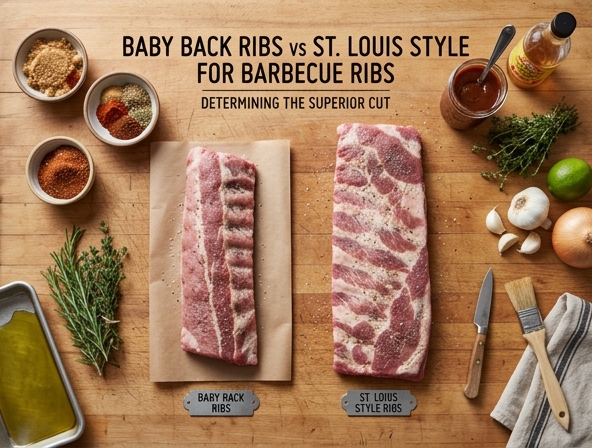
| Rib Cut | Key Characteristics | Cooking Profile |
|---|---|---|
| Baby Back Ribs | Leaner meat, tender texture, derived from the back near the loin. | Ideal for those seeking tenderness; requires specific preparation to maintain moisture. |
| St. Louis Style | Rich, uniform meatiness, flatter cut, distinct bone structure. | Best for pitmasters prioritizing a meaty, flavorful, and consistent smoke. |
Baby Back Ribs vs. St. Louis Style: The Ultimate BBQ Rib Showdown
In the world of barbecue, few debates are as spirited-or as delicious-as the one surrounding the two heavyweights of the smoker: Baby Back Ribs and St. Louis Style Ribs. To the uninitiated, a rib is a rib, but to the seasoned pitmaster, these two cuts represent vastly different experiences in texture, flavor, and technique. Choosing between them is more than a preference; it is a fundamental decision that dictates how your weekend cook will unfold.
The Anatomy of the Pig: Where Do They Come From?
To understand the difference, we must first look at the anatomy of the hog. Ribs are essentially extensions of the loin and the belly.
Baby Back Ribs are cut from the upper portion of the rib cage, nestled against the spine (the "back" of the pig). They are shorter, curved, and generally more compact. Despite the name, they aren't from "baby" pigs; they are called "baby" simply because they are shorter than the spare ribs found lower on the hog.
St. Louis Style Ribs, on the other hand, are a specific trim of the larger "spare rib" primal cut. Spare ribs come from the belly side of the pig. By removing the sternum bone, the cartilage, and the "flap" of meat (the skirt), the butcher creates a rectangular, uniform rack. This process of squaring off the rib is what gives us the St. Louis Style cut.
Baby Back Ribs: The Tender, Lean Contender
Baby Back Ribs are the "filet mignon" of the rib world. Because they come from the loin area, the meat is naturally leaner and more tender than the lower ribs. When cooked properly, they offer a delicate, succulent texture that is widely favored in competition barbecue.
Pros of Baby Backs:
- Speed: Because they are leaner and thinner, they typically cook faster than St. Louis ribs, usually taking 4 to 5 hours depending on your smoker temperature.
- Tenderness: They have a more refined, meaty texture that is very easy to bite through.
- Ease of Prep: They require minimal trimming; usually, you only need to remove the membrane (the silver skin) from the bone side.
Cons of Baby Backs:
- Price: They are almost always more expensive per pound than St. Louis ribs.
- Lower Fat Content: Because they are lean, they are less forgiving. If you overcook them slightly, they can dry out faster than their fattier counterparts.
St. Louis Style Ribs: The Flavor Powerhouse
If Baby Backs are the filet, St. Louis Style ribs are the ribeye. Because they come from the belly area-the same region where bacon originates-they are blessed with a higher fat content and more connective tissue. This makes them inherently more flavorful and resilient during long, low-and-slow cooking sessions.
Pros of St. Louis Style:
- Flavor: The extra fat and connective tissue render down during the cook, basting the meat from the inside out and providing a richer, "porkier" flavor profile.
- Uniformity: Because they are trimmed into a rectangular shape, they cook very evenly, making them easier to manage on the smoker grate.
- Value: They are generally more affordable, making them the go-to choice for large backyard gatherings or bulk catering.
Cons of St. Louis Style:
- Trim Work: You may need to do a bit of knife work to ensure they are properly cleaned of excess fat or loose cartilage.
- Patience: They contain more cartilage and connective tissue, meaning they require a longer "low and slow" window to achieve that perfect "bite-off-the-bone" tenderness.
The Showdown: Texture and Technique
The primary point of divergence between these two cuts is how they "eat." A common goal in BBQ is "fall-off-the-bone" tenderness, though many purists argue that true competition-style ribs should have a "clean bite"-meaning the meat stays on the bone until your teeth pull it away, leaving a clean impression of the bite mark.
Baby Backs are the masters of the clean bite. Their lean nature means you can achieve a tender, elegant pull without the meat turning to mush. St. Louis ribs, however, handle the "fall-off-the-bone" style much better. Their higher fat content allows them to sustain longer cooking times at higher temperatures without losing their structural integrity.
When it comes to rub and sauce, the choice of rib matters. Baby Backs take delicate, sweet, or citrus-forward glazes very well, as they don't overpower the meat. St. Louis Style ribs can stand up to aggressive, heavy, vinegar-based or molasses-heavy BBQ sauces. The boldness of the meat holds its own against even the thickest, spiciest rubs.
Determining Your Superior Cut
So, which is the superior cut? The answer depends entirely on your goal:
- If you are hosting a quick weeknight dinner and want something refined and fast, reach for the Baby Back Ribs. They are sophisticated, easy to eat, and impress guests who prefer a leaner experience.
- If you are embarking on a weekend "all-day" smoke session and want to achieve that deep, savory, umami-rich experience, go for St. Louis Style. They are the quintessential "barbecue" rib-meaty, fatty, and incredibly satisfying.
Final Thoughts from the Pit
There is no objective winner in the battle of Baby Back vs. St. Louis. Both are magnificent, and both have earned their place in the pantheon of barbecue history. The true "superior" cut is the one you feel most comfortable working with. If you are a novice, the uniform shape of the St. Louis rib is often easier to master. If you are looking for an elegant centerpiece for a summer dinner party, the Baby Back is your best friend.
Ultimately, the secret to great barbecue isn't just in the cut-it's in the temperature control, the quality of your wood smoke, and the patience you bring to the pit. Regardless of which rack you choose, remember the golden rule: keep your fire clean, your meat seasoned, and never be afraid to experiment with your glaze. Happy smoking!
Disclaimer:
The information provided on Eateryn is for general educational and informational purposes only and is not intended as medical, nutritional, or healthcare advice. It should not be used to diagnose, treat, cure, or prevent any disease or medical condition.
Always consult a qualified physician, registered dietitian, or other certified healthcare professional before making changes to your diet, exercise routine, or lifestyle, or regarding any medical questions or concerns you may have. Never disregard or delay seeking professional medical advice because of something you have read on this website.