
Applewood vs Hickory for Barbecue Ribs - Selecting The Best Wood Flavor
Many pitmasters struggle to balance delicate, sweet undertones with robust, smoky character when prepping ribs. While standard charcoal or gas setups provide reliable heat, they often lack the aromatic depth required for professional-grade results. Selecting the right hardwood grants your meat a refined, complex flavor profile. Note that outcomes vary significantly by smoker type and cut; for instance, St. Louis styles demand specific smoke intensities. The following analysis compares the sensory attributes of Applewood and Hickory to optimize your selection.
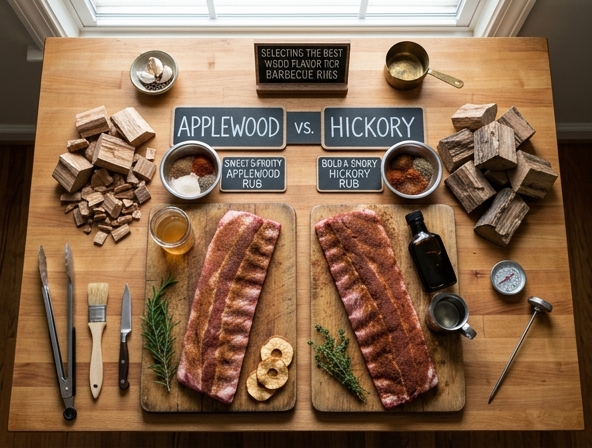
| Wood Type | Flavor Profile | Ideal Application | Intensity Level |
|---|---|---|---|
| Applewood | Sweet, delicate, and fruity undertones. | Ribs requiring a refined, subtle smoke flavor. | Mild |
| Hickory | Robust, bold, and classic smoky character. | Ribs requiring a punchy, deep aromatic profile. | Strong |
Applewood vs. Hickory for Barbecue Ribs: Selecting The Best Wood Flavor
For the dedicated pitmaster, the journey toward the perfect rack of ribs is paved with decisions. While your choice of dry rub, the temperature of the smoker, and the consistency of your mop sauce all play vital roles, nothing defines the character of barbecue quite like the wood you choose to fuel your fire. When it comes to pork ribs-specifically the classic showdown between Applewood and Hickory-the debate is as old as the backyard smoker itself.
Selecting the right wood isn't just about heat; it is about flavor profile, smoke intensity, and the final experience on the palate. Whether you prefer the punch-to-the-gut intensity of a Southern-style hickory smoke or the delicate, refined sweetness of orchard-grown applewood, understanding the science and art of these two titans will elevate your barbecue game to professional levels.
Hickory: The King of Barbecue Intensity
Hickory is, without hyperbole, the gold standard for traditional American barbecue. If you imagine the flavor of classic, competition-style ribs, you are imagining hickory. It is a dense, oily hardwood that burns slow and hot, producing a pungent, aggressive smoke that permeates the meat deep into the bone.
The Flavor Profile: Hickory is often described as having a "bacon-like" quality. It is savory, slightly earthy, and undeniably bold. Because of its strength, it is the perfect companion for larger cuts of meat or ribs that have a high fat content, like St. Louis-cut spareribs. The fat renders down, capturing the heavy smoke particles and creating a rich, meaty flavor profile that stands up well to heavy, molasses-based barbecue sauces.
The Risk: The primary downside to hickory is its potential for bitterness. Because the smoke is so assertive, novices often over-smoke their ribs, leading to a creosote-like finish that can leave an unpleasant, chemical aftertaste on the tongue. When using hickory, balance is key. It is best used for shorter, controlled smoking sessions or mixed with lighter woods to prevent the meat from becoming overwhelmed.
Applewood: The Subtle Art of Fruity Sweetness
If hickory is a rock concert, Applewood is a soft, melodic acoustic set. Applewood is a fruitwood, and it brings a completely different dimension to the smoker. It is much milder than hickory, characterized by a light, sweet, and slightly fruity smoke that enhances the natural flavor of the pork without dominating it.
The Flavor Profile: Applewood imparts a subtle sweetness that acts as a natural bridge between the savory fat of the ribs and the sugar in your rub or glaze. It doesn't scream; it whispers. Because it is much lighter, it won't turn your ribs dark or bitter, even if you keep the smoker running for the duration of a long cook. This makes it an ideal choice for the beginner pitmaster who wants a high-quality smoke without the high risk of over-smoking.
The Best Use Case: Applewood shines brightest with more delicate cuts, such as baby back ribs. Because baby backs are leaner and more tender than spareribs, the mild smoke of the apple tree allows the natural "porky" sweetness of the meat to remain the star of the show. It creates a beautiful mahogany-colored bark that is as visually appealing as it is delicious.
The Comparative Analysis: Which One Should You Choose?
To choose the right wood, you must consider the "personality" of your meal. Are you going for a competition-style, heavy-smoke, thick-sauce experience? Or are you aiming for a sophisticated, balanced flavor that highlights the quality of the pork?
- Choose Hickory if: You are cooking thick, fatty spareribs; you enjoy a heavy, savory bark; or you are planning to pair the ribs with a thick, bold, sugary barbecue sauce.
- Choose Applewood if: You are smoking baby back ribs; you prefer a subtle, sweet smoke profile; or you are sensitive to the bitterness that can sometimes accompany heavy hardwoods.
The "Pro" Strategy: The Blending Method
Why choose one when you can have the best of both worlds? Many championship pitmasters utilize a blending technique to create a complex smoke profile that cannot be achieved with a single wood variety. By mixing hickory and applewood, you create a "middle ground" smoke.
The hickory provides that deep, foundational savory note that defines great BBQ, while the applewood softens the edges, adding a touch of brightness and sweetness that prevents the smoke from becoming too aggressive. A common ratio is 70% applewood to 30% hickory, allowing you to enjoy the intensity of the hickory without it taking over the entire palate.
Practical Tips for Application
Regardless of which wood you select, the way you use it is just as important as the species.
- Use Dry Wood: Never use "green" or wet wood. It produces thick, white, acrid smoke that tastes like burning tires. Your wood should be seasoned and dry to the touch.
- Chunks vs. Chips: For long rib smokes, chunks are far superior to chips. Chunks burn slowly and provide a steady, consistent stream of blue smoke, whereas chips burn off quickly and require constant attention.
- Temperature Control: Ensure your smoker is at the proper temperature before adding the wood. If your fire is starved of oxygen, the wood will smolder rather than combust, leading to bitter-tasting meat.
Conclusion: The Final Verdict
There is no "wrong" answer in the world of barbecue; there is only preference. Hickory is the powerhouse that delivers that quintessential, deep-south smoke flavor that most people equate with high-quality ribs. Applewood is the refined, nuanced choice for those who appreciate a cleaner, sweeter smoke that respects the meat.
If you are still unsure, conduct your own experiment. Smoke one rack with hickory and one with applewood, then invite a few friends over for a blind tasting. You might be surprised at how your palate reacts. Ultimately, the best wood for your barbecue ribs is the one that makes you smile when you take that first, tender bite. Happy smoking!
Disclaimer:
The information provided on Eateryn is for general educational and informational purposes only and is not intended as medical, nutritional, or healthcare advice. It should not be used to diagnose, treat, cure, or prevent any disease or medical condition.
Always consult a qualified physician, registered dietitian, or other certified healthcare professional before making changes to your diet, exercise routine, or lifestyle, or regarding any medical questions or concerns you may have. Never disregard or delay seeking professional medical advice because of something you have read on this website.